by Mursaleen Bashir
Nikah is a Sunnah of Prophet Muhammad (peace be upon him), meant to be simple, easy, and filled with blessings. In present times, this sacred Sunnah has been turned into a heavy burden, which is a shame for the community.
Marriage in Kashmiri society has always been considered a sacred bond, meant to unite two individuals and two families. Traditionally, it was simple, spiritual, and rooted in cultural warmth. In the present scenario, however, it has transformed into a competition of wealth, status, and display. Instead of a celebration of companionship, it has become an exhibition of luxury, leaving families financially and emotionally drained.
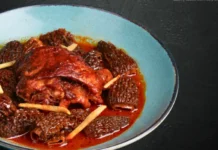
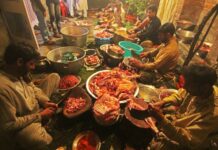
Today, marriages are loaded with practices that go far beyond the basic requirements of a Nikah. Families feel compelled to host multiple days of celebration, such as elaborate mehndi nights and endless feasts of the famed wazwan. There are heavy demands for gold jewellery, costly dresses, and decorated venues. A troubling trend is the exchange of trunks filled with clothes, household items, and gifts, all in the name of tradition.
Waste and Excess
Another unhealthy practice is the excessive number of dishes served during meals. Guests are overwhelmed with plates of meat dishes, far beyond what they can consume, leading to waste and unnecessary expense. A dignified wedding does not require twenty courses; even a limited menu served with respect is enough.
The use of plastic carry bags for packing food has also become the norm. While some may see it as a gesture of hospitality, it promotes waste, creates pollution, and reduces the dignity of the feast. Guests should be served properly at the venue, and if needed, reusable packaging should replace single-use plastics.
Equally needless is the distribution of dry fruit boxes at the start of functions. This practice has become more about showing status than showing care. Instead of costly disposable boxes that add nothing but burden, dry fruits can be thoughtfully served in reusable bowls. What matters is hospitality, not packaging.
The Burden of Display
Photography, videography, and grand decorations have further added to the strain, making weddings more about outward show than inward joy. Social media has amplified this trend, with elaborate reels and posts setting unrealistic expectations. This indirectly pressures even those who cannot afford it to match the spectacle, regardless of whether their family is financially prepared. People should refrain from over-socialising their weddings, as public display often forces others into unnecessary extravagance.
For wealthy families, such spending may not be an issue, but for middle-class and poor households, it is a crushing weight. Many take loans or sell property just to “match the standard” set by society. A dangerous trend has emerged: if the groom is not a government employee or does not own a profitable business, his family is often forced to sell ancestral property to fund the marriage. Nikah in present-day Kashmir is no longer “everyone’s cup of tea.” What should be a simple spiritual occasion has turned into a financial burden, placing young couples and their parents under immense pressure.
Cost of Extravagance
Recent observations indicate that over 60 per cent of families in Kashmir delay marriages for their children due to financial constraints, and many couples postpone Nikah until they can afford lavish feasts, jewellery, and gifts. Some families spend up to half of their yearly savings on wedding expenses alone, leading to debt or the sale of ancestral property.
This situation delays marriages, breaks engagements, and causes stress for parents who feel trapped between societal norms and their children’s futures. Young men and women often find their marriages postponed, not because of a lack of compatibility, but because their families cannot meet the expectations of extravagance.
Perhaps the most painful part of this reality is that everyone knows these practices are unnecessary, yet no one is ready to end them. Families openly admit that if they choose a simple wedding, others will call them selfish, miserly, or disrespectful. Almost every parent or relative repeats the same excuse: “If I do it differently, people will think I am being stingy.” This mindset has trapped the community in a cycle of extravagance. The fear of “log kya kahenge” has become stronger than the will to accept reality.
Faith and Simplicity
Nikah is a Sunnah of Prophet Muhammad (peace be upon him), meant to be simple, easy, and filled with blessings. In present times, this sacred Sunnah has been turned into a heavy burden, which is a shame for the community. Islam encourages simple marriages. The Prophet Muhammad himself emphasised that the best marriage is the one with the least burden. Yet Kashmiri society has drifted far away from this teaching. What was once a modest gathering of family and friends has now become a test of status. Religious scholars preach simplicity, but their words fall on deaf ears when faced with social pressures.
This culture of show not only burdens families but also widens the social divide. The wealthy use weddings to flaunt their riches, while the poor silently suffer. A wedding, which should bring happiness, instead deepens jealousy, frustration, and inequality. The result is a society where appearances matter more than values, and debt becomes the common price for respect.
Glimpses of Hope
Yet not all hope is lost. A small but growing number of educated families are challenging these wasteful practices by organising simple Nikah ceremonies. Some have started limiting the number of dishes, replacing carry bags with dignified serving practices, and serving dry fruits in reusable bowls rather than fancy boxes. Some young people are voicing their disapproval of extravagant weddings, urging their peers to break the cycle of debt and pressure.
Community groups, social organisations, and some clerics have called for reforms, reminding people that true dignity lies in simplicity, not show. For change to take root, society must overcome fear of judgment and accept that less is more.
In these moments of courage, it is worth reflecting on the love and sacrifice that bind a person to their community. Just as Faiz Ahmad Faiz celebrated resilience in his poetry, there is inspiration to resist societal pressures and reclaim the true essence of marriage.
The marriage process in Kashmir today reflects a society torn between faith, tradition, and modern pressure. People know these customs are unnecessary, yet hesitate to change out of fear of judgment. The trend of selling ancestral property for marriages shows how deeply the problem has spread. Marriage should not be a burden; it should be a blessing. If even a few families lead by example, others may follow. The time has come to free Kashmiri weddings from the weight of extravagance and return to the simplicity that reflects both faith and culture.
(The writer is an engineering graduate from NIT Srinagar. Ideas are personal.)