JAMMU: The Speaker of the Jammu and Kashmir Assembly has announced the formation of a House Committee to investigate alleged acts of commission and omission in the Jal Shakti Department, which oversees water supply across the region. The decision comes amid growing concerns among lawmakers over a lack of transparency and widespread irregularities in the department’s functioning.
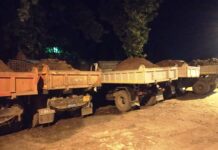
During discussions in the Assembly, legislators expressed deep dissatisfaction with the management of water supply projects, highlighting allegations of corruption and misuse of resources. One lawmaker claimed that water pipes meant for public projects were allegedly sold by contractors during election campaigns at the behest of certain individuals within the government.
While the Bharatiya Janata Party (BJP) was one of the loudest voices demanding an investigation, it hesitated when Speaker, Abdul Rahim Rather, formally announced the committee. The Speaker will nominate the committee members, and representatives from all parties are expected to be part of the judicial investigation process to ensure fairness and accountability.
Earlier, on March 5, a heated debate took place in the Assembly over implementing the Jal Jeevan Mission (JJM), a central government initiative to provide clean drinking water to rural households. Several legislators accused the government of severe mismanagement and inefficiencies in executing the scheme, alleging that funds were misused and projects were either delayed or abandoned.
Lawmakers demanded that a House Committee be set up to probe the alleged irregularities in the scheme’s implementation. Minister for Jal Shakti, Javed Rana, acknowledged the concerns and assured the Assembly that action would be taken against officials who provided misleading information regarding the progress of JJM projects.
Despite government assurances, members of the opposition and even some ruling party legislators criticised the administration for its failure to provide reliable water supply, particularly in rural areas. Reports of dry taps and failed infrastructure have been mounting across Jammu and Kashmir, further fuelling public frustration.
The ongoing water supply crisis took another turn on March 11 when lawmakers in the Assembly condemned the police action against protesting daily wage employees of the Jal Shakti Department. The workers, who had been demanding the release of their long-pending wages and the regularisation of their jobs, were subjected to a lathi charge by the police during their demonstrations. Some of the employees have reportedly not received their salaries for up to 85 months.
The issue sparked fierce debate, with BJP MLA Vikram Randhawa calling the government’s failure to address the workers’ grievances “shameful.” Opposition parties also criticised the administration, blaming both the current and previous governments for their neglect of these workers. The chaotic session saw accusations being exchanged between parties, particularly against the former National Conference-led government, which was accused of ignoring the plight of these employees for years.
As tensions escalated, BJP legislators staged a walkout from the Assembly, protesting against what they called the government’s inability to provide justice to workers and citizens suffering due to the mismanagement of water resources.
With the formation of the House Committee, there is now growing anticipation regarding the extent of the probe and the accountability measures that may follow. The investigation is expected to scrutinise financial irregularities, project execution failures, and lapses in governance within the Jal Shakti Department.
As the controversy continues to unfold, the people of Jammu and Kashmir, particularly those in rural areas struggling with inadequate water supply, await concrete measures to address their grievances.