SRINAGAR: Jammu and Kashmir processes nearly 87 per cent of the municipal solid waste generated in the Union Territory every day, according to data placed before the Rajya Sabha on Monday.
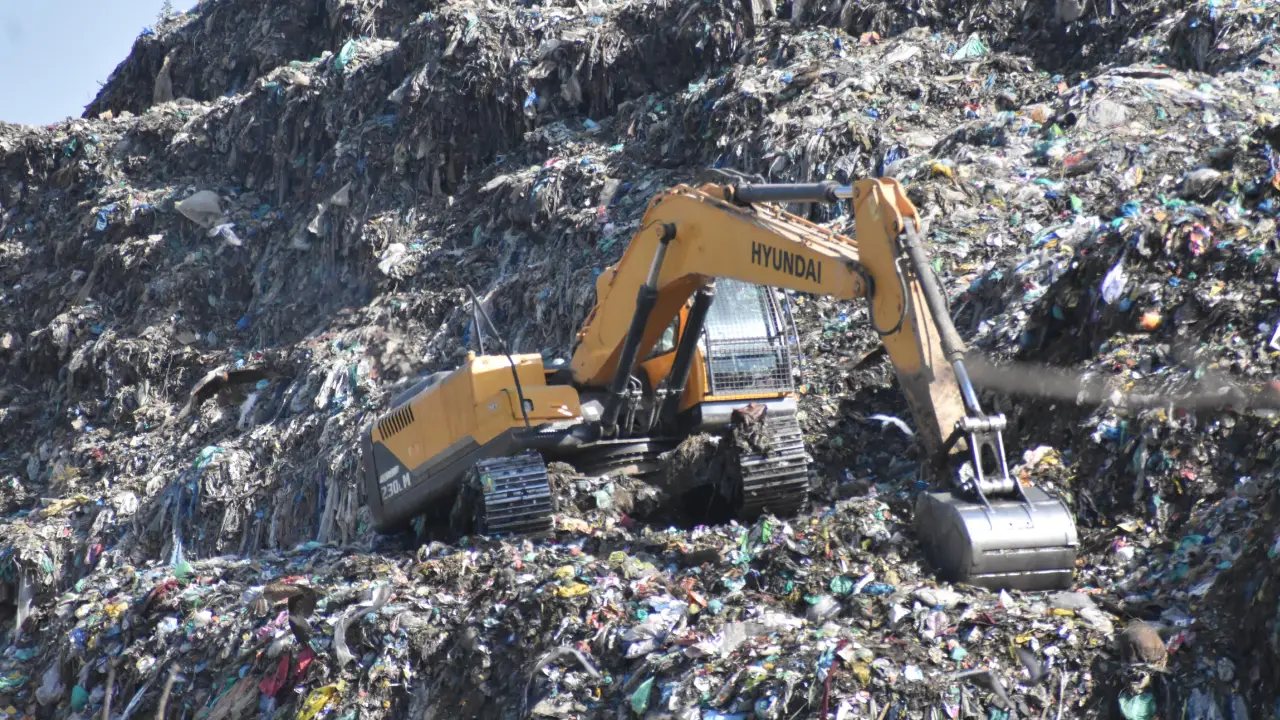
The data showed that Jammu and Kashmir generates around 1,007 metric tonnes (MT) of municipal solid waste per day, of which 873 MT is processed through reported waste-processing mechanisms.
The figures were provided by the Ministry of Housing and Urban Affairs in response to a Rajya Sabha question on the scientific processing of municipal solid waste across the country.
At the national level, States and Union Territories reported total municipal waste generation of 1,62,372 MT per day, with 1,31,530 MT per day being processed.
The Centre said financial assistance is being provided to States and UTs under the Solid Waste Management component of Swachh Bharat Mission-Urban 2.0 for setting up facilities such as Material Recovery Facilities, waste-to-compost plants, bio-methanation units, refuse-derived fuel facilities, waste-to-energy plants, construction and demolition waste plants and compressed biogas plants.
A central share of Rs 10,930.12 crore has been allocated to States and UTs for solid waste management under SBM-U 2.0.
The ministry said cities are also using technology across the municipal waste-management chain, including GPS-enabled collection vehicles, RFID-tagged bins, mobile applications, route-optimisation software and Integrated Command and Control Centres to monitor collection and transportation in real time.
The government further said the Solid Waste Management Rules, 2026, effective from April 1, mandate four-stream segregation of waste at source and restrict landfilling to non-recyclable, non-energy-recoverable and inert waste.
Bulk waste generators have been assigned responsibility for segregation, collection and processing of waste on their premises, while urban local bodies are responsible for ensuring compliance and can levy spot fines for littering under their bye-laws.
Across the country, the percentage of municipal solid waste scientifically processed, as reported by States and UTs on the Swachhattam Portal, increased from 73 per cent in 2021-22 to 81 per cent in 2024-25, remaining at 81 per cent in 2025-26.
The national average for waste processing stood at 67 per cent in Swachh Survekshan 2024-25, according to the ministry.