by Iftikhar Hakeem
Ease of Doing Business (EoDB) is a legitimate and necessary objective. Jammu and Kashmir needs investment, employment, efficient administration and predictable regulatory procedures. But facilitating investment should not require weakening the statutory framework governing land use, building development and environmental protection. The critical question is whether regulatory reform is simplifying approvals or progressively diluting the rules that shape our towns and cities.
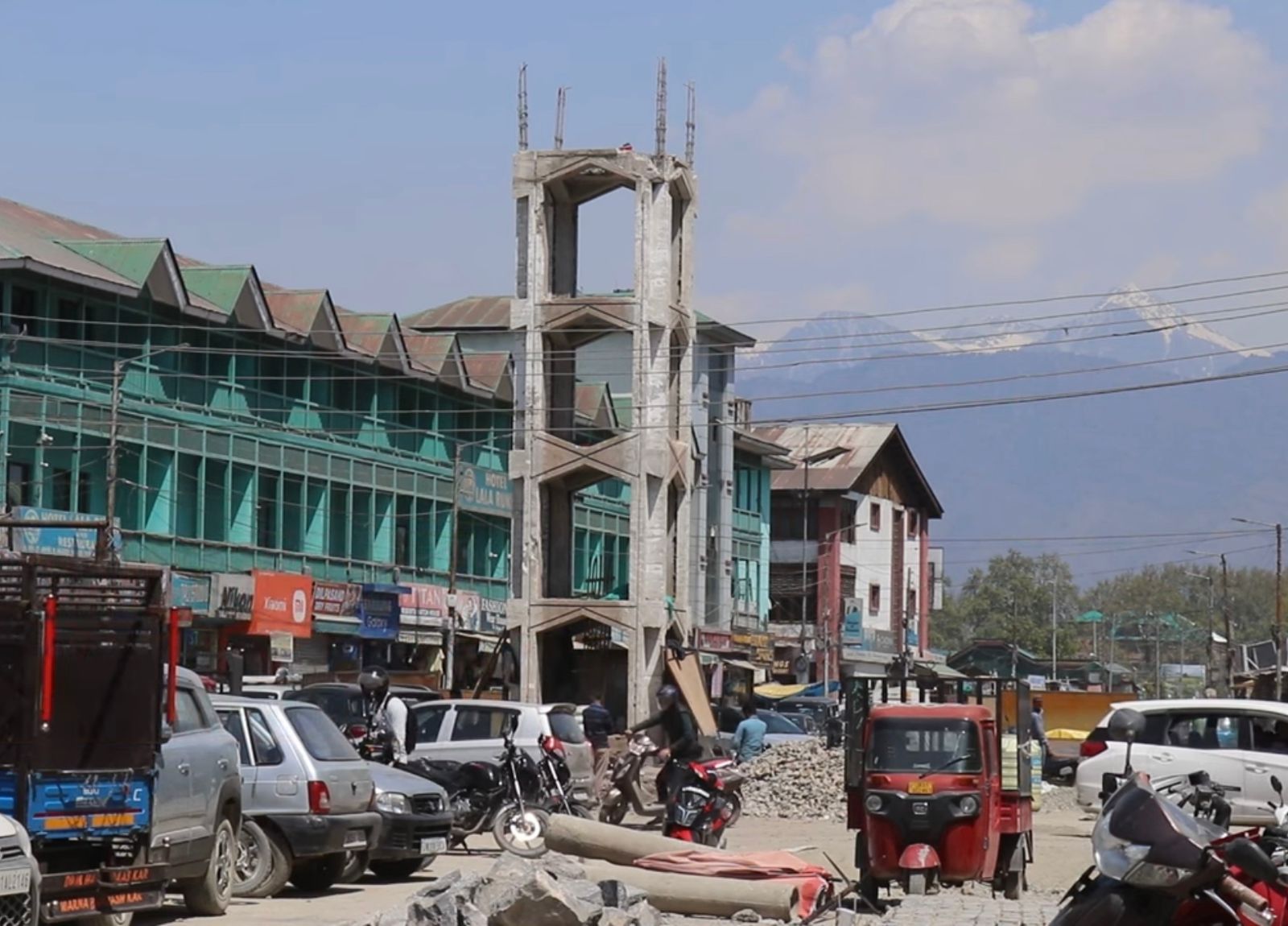
Over the past nine months, the Jammu and Kashmir Unified Building Bye-Laws (UBBL), 2021, have undergone successive interventions: SO 304 of December 1, 2025; SO 58 of February 26, 2026; and Draft Amendment 3 of September 9, 2026. The subsequent EoDB legislation, particularly Section 22 and the attached schedules, has widened the debate by raising questions about executive relaxation of Master Plan provisions.
The issue is no longer any single amendment, but the cumulative direction of regulatory change and the absence of a publicly demonstrated assessment of its consequences.
The Rationale?
Building bye-laws are essential regulatory instruments of urban development. By prescribing norms for development intensity, ground coverage, setbacks, access, parking, mixed use and building safety, they influence the physical form of cities, infrastructure requirements and environmental resilience.
What deficiencies in the original UBBL 2021 necessitated Amendment 1 (SO 304)? What shortcomings prompted Amendment 2 (SO 58)? What evidence now warrants Draft Amendment 3? Have the implications of previous changes been assessed before further modifications are proposed?
These are fundamental questions of sound governance. While regulations must evolve in response to changing needs, successive amendments should be guided by clearly identified deficiencies, sound technical justification and transparent assessment. Otherwise, frequent changes risk creating regulatory uncertainty, disrupting planning continuity and transforming the built environment of our cities and towns without a coherent long-term vision, leaving them in a state of perpetual flux.
Impact Matters
Draft Amendment 3 illustrates the concerns. The proposal to remove the 10 per cent aggregate setback for residential plots measuring 125–275 square metres, while retaining Floor Area Ratio (FAR) 220, raises questions about ground coverage, open space, ventilation, building separation and emergency access.
Similarly, reducing the road-width threshold for stilt parking from six metres to three metres, leaving access requirements unspecified for certain small plots, and permitting extensive mixed use along roads of six metres or more could intensify pressure on already congested neighbourhoods.
Each provision may appear manageable in isolation. Together, however, they could increase development intensity, aggravate parking and traffic problems, reduce permeable surfaces and place additional demands on roads, drainage, water supply and sewerage.
FAR alone cannot measure development intensity. Ground coverage, setbacks, access and open space are equally important. Nor can road width alone determine the suitability of mixed use. Surrounding land use, traffic, parking, servicing and infrastructure capacity must also be considered.
The cumulative consequences of individual permissions, not merely their plot-level compliance, determine the future form and resilience of a city.

Ecological Vulnerability
The Srinagar Master Plan 2035 provides a statutory framework for almost everything. Building regulations must reinforce its stated objectives, not undermine them.
Srinagar faces the combined challenges of flood vulnerability, constrained drainage, seismic risk, congestion and growing infrastructure demands. Reducing permeable surfaces can increase runoff, while intensified development without adequate infrastructure can aggravate congestion and drainage deficiencies.
These concerns extend beyond Srinagar. Across Jammu and Kashmir, development regulations must respond to local terrain, ecological conditions, and hazard exposure and infrastructure capacity. Development that disregards these constraints may create costs that extend far beyond individual property owners.
Section 22
The EoDB legislation raises a more fundamental concern. Section 22 provides mechanisms for relaxing Master Plan conditions, while Section 22(3) requires permission for an approved enterprise notwithstanding provisions of the Master Plan, building bye-laws or other applicable laws, subject to statutory qualifications.
The relationship between Sections 22(1), 22(3), 22(4) and 22(5) requires careful clarification. The law must define the limits of executive relaxation and ensure that enterprise-specific approvals do not become blanket exemptions from statutory planning controls.
Master Plans coordinate land use, housing, transport, public facilities and environmental protection through technical studies and statutory procedures. Repeated deviations can alter settlement structures without following the prescribed plan revision process.
A Negative List cannot substitute for a Master Plan. Planning must determine where development is appropriate, what intensity is sustainable and whether infrastructure and environmental safeguards are adequate. Nor should the absence of a notified Master Plan create a regulatory vacuum.
Reform Without Deregulation
There is no inherent conflict between EoDB and statutory planning. Digital applications, automated scrutiny, single-window clearances, standardised requirements and time-bound decisions can reduce delays without compromising substantive safeguards.
Before further amendments are finalised, the Government should undertake a comprehensive Regulatory Impact Assessment comparing the original UBBL 2021 framework, SO 304, SO 58 and Draft Amendment 3. It should evaluate cumulative effects on urban form, infrastructure, drainage, open spaces, public safety and environmental resilience, with findings made available for public and professional scrutiny.
Section 22 should be harmonised with the statutory planning framework. Exceptional relaxations must be narrowly defined, technically justified and transparent. Changes to statutory plans should follow the prescribed procedures, including public consultation wherever required.
My concern is not with investment or regulatory reform, but with persistent amendments that lack a clearly demonstrated, coherent and evidence-based rationale and may cumulatively weaken the planning framework.
EoDB should mean faster, transparent and predictable approvals, not discretionary planning. Jammu and Kashmir needs investment that generates employment while protecting its land, infrastructure, environment and public safety.
The measure of reform cannot simply be how quickly permission is granted. It must also be whether development is appropriately located, infrastructure can sustain it, and the public interest is protected.
We must simplify compliance without making planning optional. Ultimately, Ease of Doing Business must contribute to ease of living.
(The author is an Urban Planner and Disaster Risk Management Specialist and former Chief Town Planner, Jammu and Kashmir. Ideas are personal.)