SRINAGAR: In a case that has highlighted questions about judicial power and procedural limits, the Supreme Court of India has intervened in the trial proceedings against Sudershan Singh Wazir, a prominent Sikh leader from Jammu and Kashmir, who was implicated in the 2021 murder of former National Conference MLC Trilochan Singh Wazir. Following a contentious ruling by the Delhi High Court, which had stayed a trial court’s discharge order in Wazir’s favour, the Supreme Court issued a directive on November 12, 2024, halting all trial proceedings against Wazir until further orders.
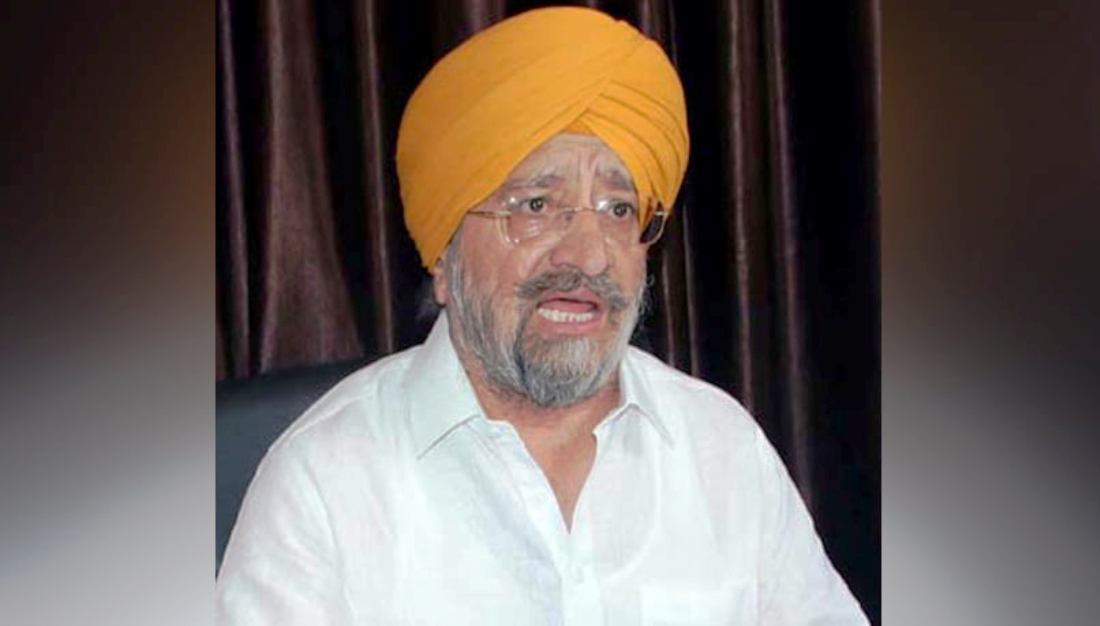
This legal dispute centres on a sequence of judicial decisions that began on October 26, 2023, when a trial court discharged Sudershan Singh Wazir, along with co-accused Balbir Singh, Harpreet Singh Khalsa, and Rajinder Chaudhary, from charges in the murder case. However, the court decided to proceed with murder charges against another accused, Harmeet Singh. Wazir was subsequently released from custody on October 20, 2022.
The Delhi High Court, in response to an appeal by the prosecution, intervened on November 4, 2024, staying the trial court’s discharge order. On November 6, 2024, Justice Anish Dayal of the Delhi High Court directed Wazir to surrender, ruling that he could not avail himself of the benefits of a discharge order now stayed by the High Court. Justice Dayal argued that the High Court’s stay would be rendered ineffective unless Wazir was taken into custody, calling the continuation of his release “invalid, of no consequence, and bereft of any teeth.” However, the High Court did clarify that Wazir could still apply for bail, and this request would be considered independently on its merits by the trial court.
During a hearing on November 12, 2024, the Supreme Court, with a Bench comprising Justice Abhay S. Oka and Justice Augustine George Masih, scrutinised the High Court’s decision to stay the discharge order, questioning both its validity and impact on judicial procedure. Justice Oka, expressing surprise, stated, “How can an order of discharge be stayed? Staying an order of discharge is completely unheard of. If the Court starts staying the order of discharge, then the trial will proceed. How can this happen? We will have to lay down the law in view of the manner in which the power is exercised by the High Court.”
The legal representation on both sides highlighted the unique and unusual nature of the High Court’s decision. Senior Advocate Sanjay Jain, representing the Delhi government, informed the Supreme Court that the High Court had allowed Wazir to apply for bail even while requiring his surrender. However, Justice Oka appeared unconvinced, remarking, “On one hand, you ask him to surrender; on the other, you say he can apply for bail. What exactly is going on here?”
This hearing follows a series of procedural debates surrounding the discretionary powers of the High Court under Section 390 of the Criminal Procedure Code, which allows a court to commit an accused to custody in cases where an appeal against acquittal or discharge has been lodged. The Delhi High Court’s November 6, 2024, decision argued that Wazir’s release after discharge had become “illegal, invalid, and infirm” once the discharge order was stayed, reasoning that his continued freedom would undermine the effectiveness of the stay. The Court observed that Wazir’s release had been a direct result of the trial court’s discharge order, and by staying that order, the High Court effectively nullified the basis of his release.
The Supreme Court Bench decided to issue a notice regarding Wazir’s plea against the High Court order, with a return date set for January 28, 2025, marking it as one of the top five cases to be heard on that day. Until then, trial proceedings against Wazir and the other accused will remain suspended.
This case has garnered significant attention for its implications on the judicial process, particularly concerning the exercise of appellate discretion to stay a discharge order. The Supreme Court’s intervention suggests it may set a clear precedent on the scope of judicial authority in discharge cases. As Justice Oka noted during the proceedings, this matter requires the Court to “lay down the law” to prevent potential misapplications of power. Observers are now watching closely for the January 28, 2025, hearing, which may establish critical guidelines on the procedural boundaries surrounding discharge orders in criminal cases within India’s judicial system.