As Kashmir’s international film festival closes, the real question is whether millions in spending will finally put local storytellers, not just local scenery, at the centre of their own story.
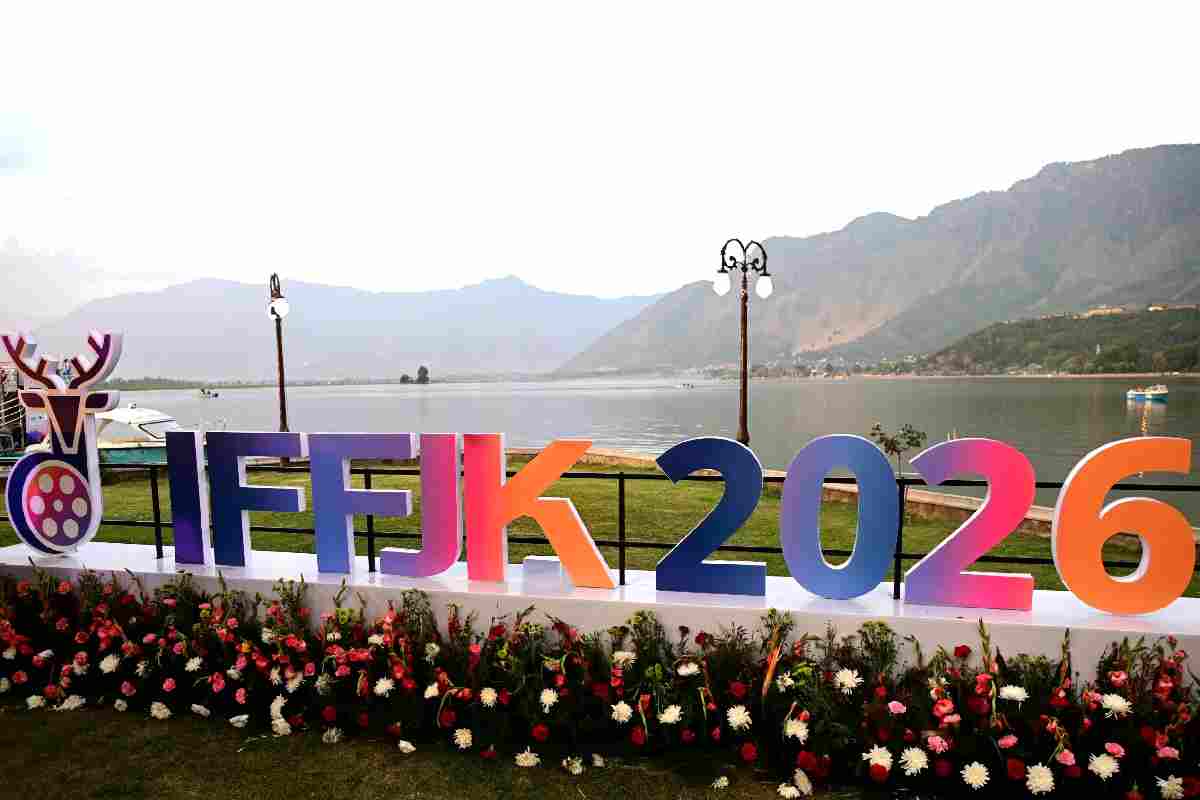
The International Film Festival of Jammu and Kashmir has ended, and the empty shikaras around the floating screen on Dal Lake tell their own story: a gap between spectacle and substance. The government’s stated aim was never simply four days of films. It was to convert Kashmir’s relationship with cinema into a genuine film economy, one that finally hands the frame to the people who have always been inside it.
That ambition is not new. Kashmir met the camera in 1903, decades before Bollywood arrived to romance its mountains and lakes. Its own audiences built a cinema culture that survived Partition, curfews and the closure of every hall by 1990. What Kashmir has rarely had is control over the stories told through that camera. Bollywood filmed Kashmir. It seldom let Kashmir speak.
This festival, with its 135 films, its master-classes and its imported influencers, risks repeating that old pattern in a new form: the world arrives, admires the backdrop, and leaves again with someone else’s version of the story. Sections of the local artistic fraternity have already asked the uncomfortable question directly. Who got the contracts? Who managed the logistics, the publicity, the technical work behind this event? If the answers point mostly outward, the festival will have rebuilt the old imbalance at greater expense.
= Yet there are signs the argument has shifted. Chief Minister Omar Abdullah has openly criticised films that distort Kashmir while asking filmmakers to seek out its artisans, its musicians and its city lanes rather than only its scenery. Imtiaz Ali has urged local youth to make their own cinema. These are the right instincts. But instincts need infrastructure.
An ecosystem is not built from documentaries about crafts and traditions alone, however, valuable. It needs training pipelines, technical crews, distribution routes and financing that do not depend on a single annual event. It needs Kashmiri filmmakers able to compete for the same assignments as anyone flown in from outside.
So the test of this festival will not be measured on the closing night. It will be measured months from now, in whether local technicians found steady work, whether new scripts by Kashmiri writers found funding, and whether the next festival features more Kashmiri names on stage than imported ones in the audience.
Kashmir never needed cinema to attract tourists. It has managed that for centuries without help. What it needs now is cinema as identity, told by its own people, for as wide a screen as the world will give them. Anything less simply repeats the frame Kashmir has always built but rarely occupied.