by Umaima Reshi
The 2025 Nobel Prize in Physiology or Medicine honours scientists who uncovered how the immune system regulates itself, revealing mechanisms that prevent overreaction and autoimmune diseases while enabling advanced therapies.
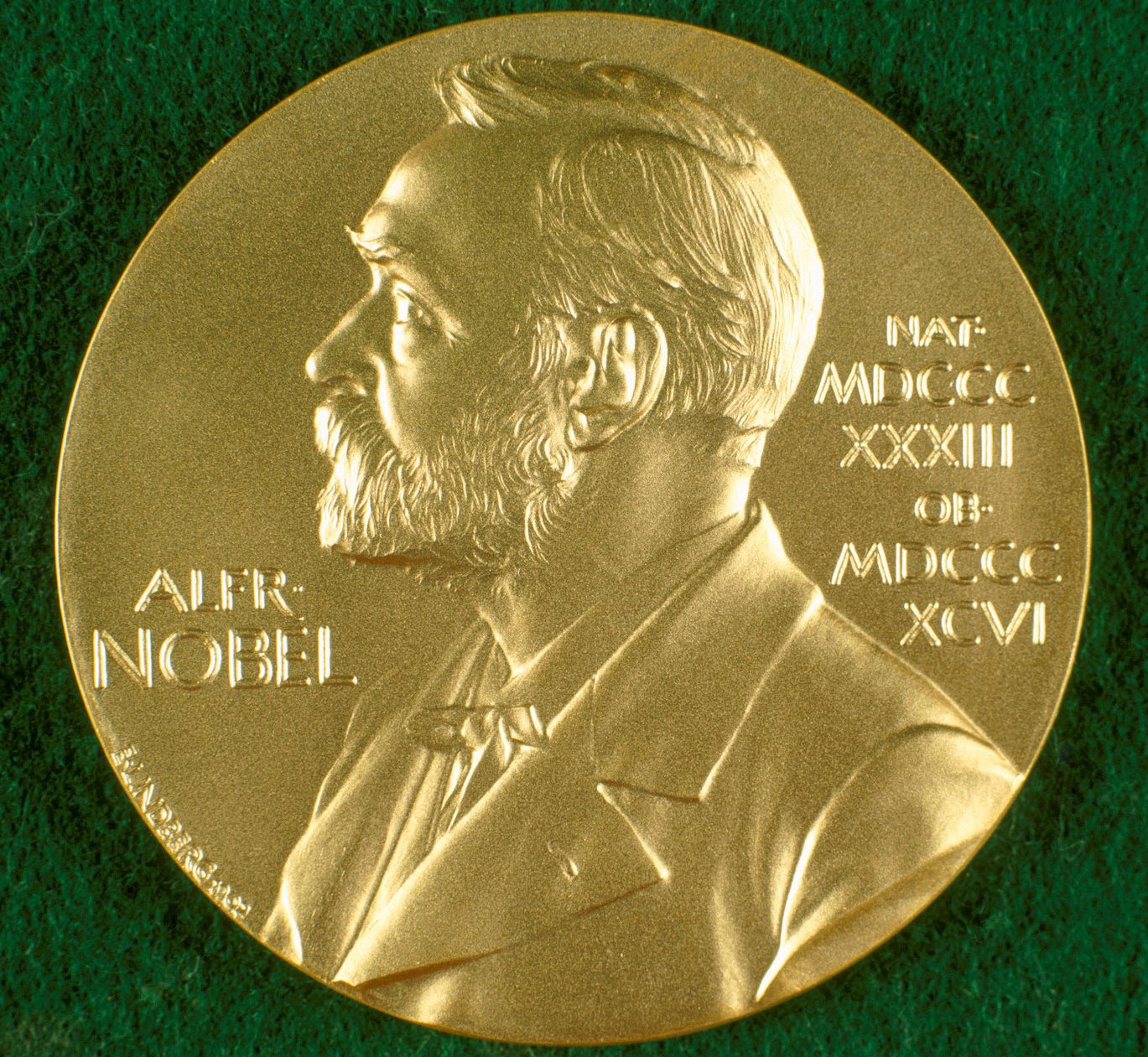
In a landmark recognition of decades of scientific work, three researchers, Mary E Brunkow, Fred Ramsdell, and Shimon Sakaguchi, have been awarded the 2025 Nobel Prize in Physiology or Medicine for discovering how the body’s immune system prevents itself from attacking its own organs. Their work, which revealed the mechanisms of peripheral immune tolerance, has transformed our understanding of immunity and opened new possibilities for treating autoimmune diseases, cancer, and organ transplant complications.
The Nobel Assembly at the Karolinska Institutet announced the award, noting that the trio’s discoveries “have been decisive for understanding how the immune system functions and why we do not all develop serious autoimmune diseases.”
Mary E. Brunkow, born in 1961, earned her PhD from Princeton University and currently serves as Senior Programme Manager at the Institute for Systems Biology in Seattle, USA.
Fred Ramsdell, born in 1960, obtained his PhD from the University of California, Los Angeles, in 1987 and now works as a Scientific Advisor at Sonoma Biotherapeutics in San Francisco.
Shimon Sakaguchi, born in 1951, received his M.D. and PhD from Kyoto University and is a Distinguished Professor at the Immunology Frontier Research Centre at Osaka University, Japan.
Body’s Balancing Act
The immune system is the body’s defence force, constantly on alert against thousands of microbes, viruses, bacteria, and other pathogens that attempt to invade us every day. Yet this powerful system faces a constant dilemma: it must attack invaders without harming the body’s own healthy cells.
Our cells and many microbes look surprisingly similar under the microscope. Some microbes even mimic human cells to avoid detection. So, how does the immune system distinguish friend from foe? And why doesn’t it turn against us more often?
For years, scientists believed they already knew the answer. They thought immune tolerance, the process by which the immune system learns not to attack its own tissues, happened entirely in a small organ near the heart called the thymus. There, immature immune cells undergo a test that eliminates those which react too strongly to the body’s own tissues. This process is called central tolerance.
But it was Shimon Sakaguchi, a Japanese immunologist, who showed that this was not the whole story.
Sakaguchi’s Breakthrough
In 1995, while working in Japan, Sakaguchi made a discovery that challenged the scientific consensus. He found that the immune system had another layer of control — a set of specialised cells that acted like security guards, keeping other immune cells from overreacting and causing autoimmune diseases.
Through years of painstaking research, he identified a new class of immune cells known as regulatory T cells, or Tregs. These cells carry a surface marker called CD25 and have a calming effect on the immune system, preventing it from attacking the body’s own organs.
At first, many scientists were sceptical. The concept of regulatory T cells had been proposed and dismissed decades earlier, after flawed studies discredited the idea. But Sakaguchi’s evidence was strong, and over time, his work revived an abandoned field.
His research revealed a hidden safeguard within our immune system — an internal peacekeeping force that prevents friendly fire.
Brunkow and Ramsdell
While Sakaguchi was unravelling the mystery of these regulatory cells, two American researchers, Mary Brunkow and Fred Ramsdell, were pursuing a different line of inquiry. Working in Washington state in the 1990s, they were studying a peculiar strain of mice known as scurfy mice. These mice suffered from severe inflammation, enlarged organs, and early death — symptoms of an immune system gone berserk.
Brunkow and Ramsdell spent years investigating the cause of this immune disorder. In 2001, after meticulously mapping the mice’s DNA, they discovered a mutation in a previously unknown gene, which they named Foxp3.
When they looked at human patients suffering from a rare, fatal autoimmune disease known as IPEX (Immune dysregulation, Polyendocrinopathy, Enteropathy, X-linked), they found mutations in the same gene. This connection revealed that Foxp3 was crucial for regulating the immune system in both mice and humans.
Two years later, Sakaguchi linked these findings together. He demonstrated that Foxp3 was the master gene responsible for the development of the regulatory T cells he had discovered years earlier.
A New Field of Medicine is Born
These discoveries transformed immunology. Together, the work of Sakaguchi, Brunkow, and Ramsdell established the field of peripheral immune tolerance — the mechanism by which the immune system is kept under control outside the thymus.
Regulatory T cells, governed by the Foxp3 gene, act as sentinels. They patrol the body, ensuring that immune attacks are directed only at real threats. When these cells malfunction, the result is chaos: the immune system begins attacking the body’s own tissues, leading to diseases such as type 1 diabetes, multiple sclerosis, and rheumatoid arthritis.
The implications of their discoveries go beyond autoimmune diseases. Tumours, for instance, have learned to exploit regulatory T cells. Some cancers surround themselves with these cells to block the immune system from attacking. Understanding this mechanism has helped scientists design new therapies that can “disarm” the Tregs protecting tumours.
Conversely, in autoimmune diseases, researchers are testing treatments that boost regulatory T cell function to calm the immune system. Early clinical trials are exploring the use of a natural signalling molecule, interleukin-2, to strengthen Treg activity. Other experimental approaches involve growing regulatory T cells in the laboratory and reintroducing them into patients — a personalised strategy to restore immune balance.
A Lasting Legacy
The 2025 Nobel Prize in Physiology or Medicine celebrates more than a scientific discovery — it honours a turning point in how humanity understands its own defences. By revealing how the immune system is both powerful and self-controlled, Brunkow, Ramsdell, and Sakaguchi have paved the way for new medical breakthroughs.
Their discoveries are already guiding experimental treatments for autoimmune diseases, improving transplant success rates, and even reshaping cancer therapy.
As Nobel Committee chair Olle Kämpe put it: “Their discoveries have been decisive for our understanding of how the immune system functions — and why we do not all develop serious autoimmune diseases.”
Through their insight, the three laureates have shown that our body’s greatest strength lies not just in its power to fight, but in its wisdom to restrain.