SRINAGAR: The National Green Tribunal (NGT) has directed the constitution of a joint central team to inspect alleged large-scale illegal clay, sand and gravel mining that has severely damaged Karewa lands in Pulwama and Budgam districts, raising concerns over environmental degradation and loss to horticulture.
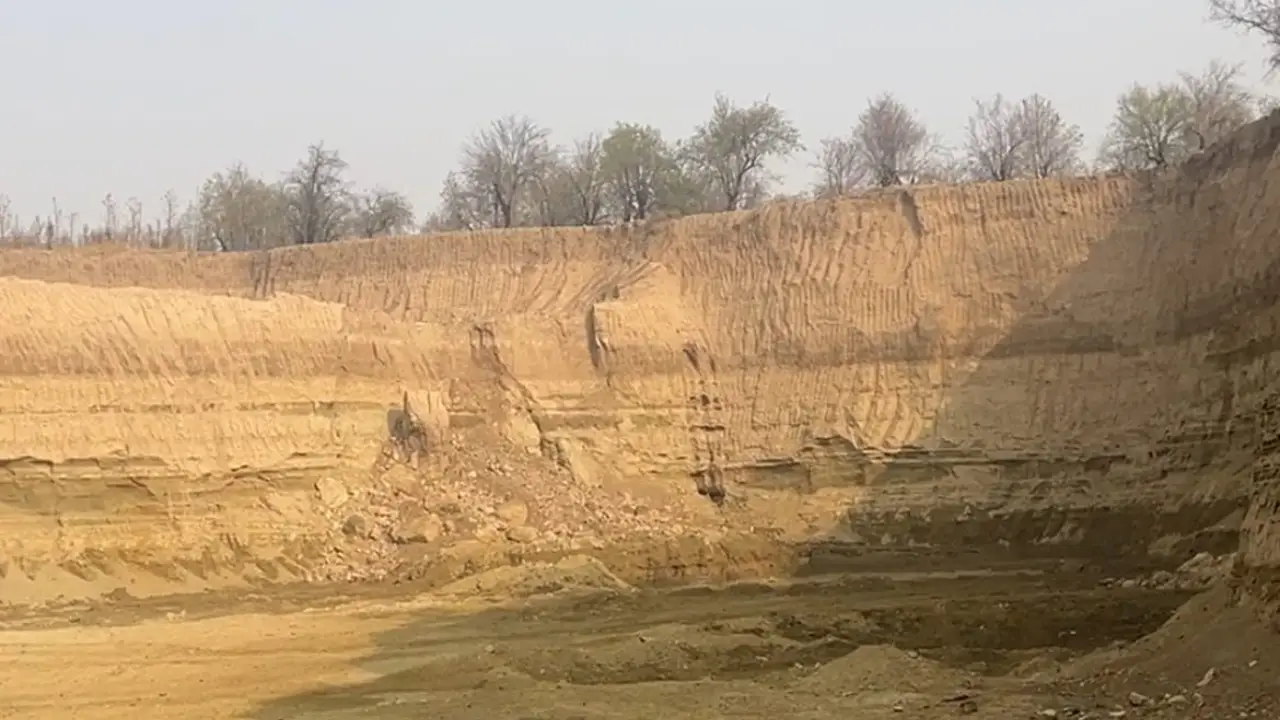
Taking serious note of a petition highlighting extensive earth extraction across the plateau-like Karewas, the Principal Bench of the tribunal ordered officials from the Ministry of Environment, Forest and Climate Change (MoEFCC), the Central Pollution Control Board (CPCB), and district administrations of Pulwama and Budgam to conduct a detailed site inspection and submit a report within ten weeks.
The Deputy Commissioner of Pulwama has been designated as the coordinating agency, while the Jammu and Kashmir Pollution Control Committee will assist the central team during the assessment.
The case was heard on February 6 by a bench led by NGT Chairperson Justice Prakash Srivastava and Expert Member A Senthil Vel. The tribunal observed that the allegations pointed to serious environmental violations and warranted immediate on-ground verification.
According to submissions made before the tribunal, illegal mining operations in villages including Zadoora and Rangeen Kultreh in Pulwama, and areas of Chadoora in Budgam, have allegedly damaged nearly 1,000 kanals of Karewa and orchard land. Counsel for the applicant presented geotagged photographs, lists of affected farmers, and official documents obtained through the Right to Information Act to demonstrate the scale of extraction.
It was argued that heavy machinery such as hydraulic excavators and JCBs were deployed to extract clay, sand and bajri without mandatory environmental clearances, consent to operate, or legally sanctioned mining leases. The petition also cited violations of the Jammu and Kashmir Minor Minerals Concession Rules, 2016, and the Sustainable Sand Mining Guidelines.
The tribunal, while issuing notices to the respondents, directed the joint committee to determine the extent of illegal mining, quantify the material extracted, identify those responsible, review the status of environmental clearances, and recommend remedial and punitive measures.
The bench also referred to the Supreme Court’s ruling in Deepak Kumar versus State of Haryana, which mandates environmental clearance even for minor mineral leases below five hectares, emphasising that unregulated sand mining can destabilise soil, damage biodiversity and cause long-term ecological harm.
The matter has been listed for further hearing on May 18, 2026.