Rethinking Jammu Kashmir’s Burdened Path to Higher Education
The National Education Policy (NEP) 2020 was envisioned as a revolutionary shift in the way India educates its youth. With its focus on flexibility, conceptual understanding, and holistic development, the policy raised hopes, especially in regions like Jammu and Kashmir, where the educational framework has long needed reform. Class 12 students, poised on the brink of adulthood, were to be given more agency, creativity, and choice. Yet, four years on, the reality on the ground paints a different picture: despite a modern curriculum, the competitive bottleneck remains unchanged and unforgiving.
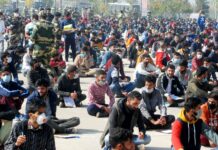
For students in Kashmir, Class 12 is still a year of relentless academic trauma. After completing the regular board examination, the struggle only begins. NEET, JEE, CUET, SKUAST-K, each one a hurdle set by a different authority, with its own format, timing, and marking scheme. The syllabus may remain common, but the approach and expectations differ wildly. NEP 2020 talks of reducing the burden of rote learning, but when a child has to simultaneously prepare for four different tests based on the same material, that burden is only multiplied.
The contradiction is glaring. On the one hand, NEP seeks to nurture curiosity and critical thinking; on the other, the unchanged examination regime rewards mechanical preparation, coaching factory drills, and strategic guessing. Kashmir’s students, already grappling with internet shutdowns, climate uncertainty, and mental health stressors, are caught in a system that appears reformed on paper but remains rigid in practice.
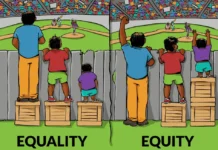
This fragmented model of multiple entrance exams serves no one well. It wastes resources, strains young minds, and continues to judge ability through outdated methods. Worse, it drives a wedge between students who can afford extensive coaching and those who rely on school learning alone. The promise of inclusivity and equal opportunity under NEP becomes meaningless when access to success depends on navigating a chaotic exam culture.
What Kashmir, and indeed all of India, needs is an integrated, singular examination system that is fair, inclusive, and aligned with the spirit of NEP 2020. A unified entrance test with built-in flexibility for specialisations could replace the current disarray. It can be followed by a scientific, transparent and professional counselling system, which will help the society and the systems to understand who goes where. More than that, we need a shift in mindset: to value aptitude over anxiety, and learning over labouring through forms and formats.
Until then, we are not reforming education. We are just repainting the walls of a collapsing house.