SRINAGAR: The Jammu and Kashmir government has implemented a strategy for the rollout of three new criminal laws with a focus on training, technology, and public awareness.
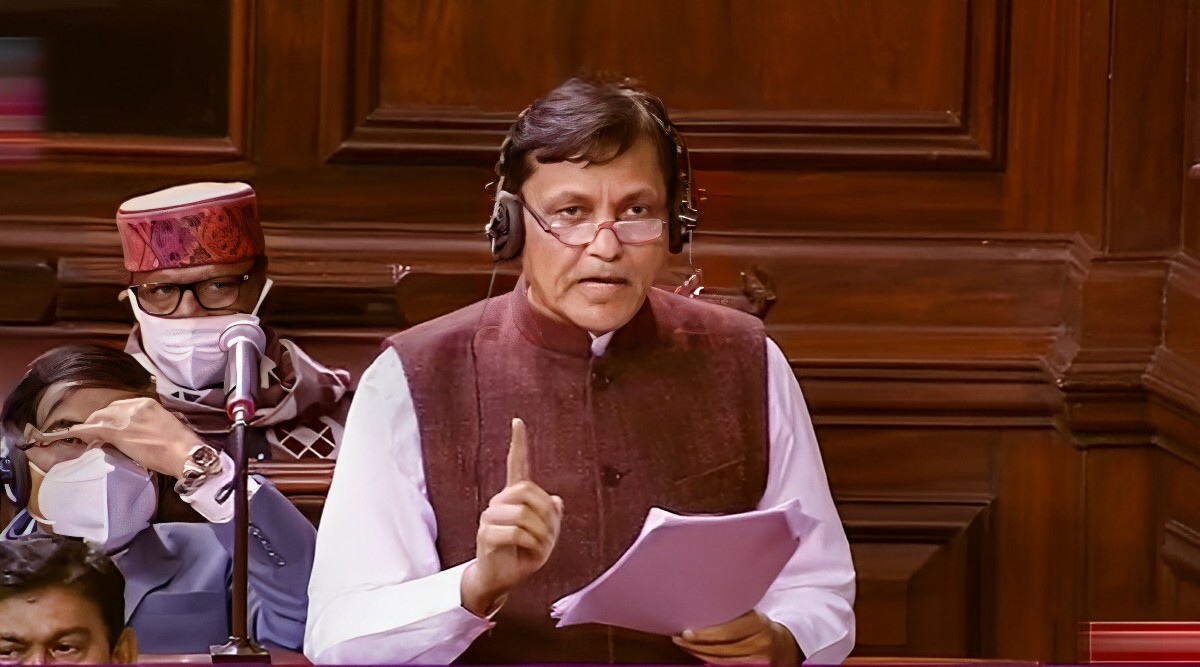
Minister of State for Home Affairs Nityanand Rai, told the Lok Sabha that a steering committee under the Chief Secretary and an Empowered Committee under the Director General of Police (DGP) have been set up to oversee implementation.
He said training programmes have been organised across various platforms, including the Police Academy, Police Training Institutes, District Police Lines, and Battalion Training Centres. The translation of the new criminal laws into regional languages, including Urdu, Dogri, and Kashmiri, has been completed to ensure better understanding and accessibility for local communities, he added.
To raise public awareness, the Jammu and Kashmir Police, in collaboration with other state departments, has been conducting joint awareness programmes across all 282 blocks. These programmes, held in the second and fourth weeks of each month, are part of an ongoing effort to engage with citizens about the new laws, the minister said.
Rai said that the government has also integrated advanced technology into the implementation process, with the Crime and Criminal Tracking Network System (CCTNS) fully operational. This includes tools such as e-Sakshya, an audio-video recording application for Investigation Officers (IOs), as well as features enabling the issuance of e-summons, SMS notifications, and emails.
Regarding training, 975 Gazetted Officers, 60,890 police personnel, and 254 Judicial Officers have already been trained in the new criminal laws, the minister said. Additionally, 191 Master Trainers have been prepared through the Training of Trainers (ToT) programme, and 118 personnel have received specialised training at the National Forensic Sciences University (NFSU) in Gandhinagar.
The Jammu & Kashmir Police have also adopted the iGoT Karmayogi platform, with 50,984 personnel completing over 121,000 courses, including 110,773 focused on the new criminal laws, Rai noted.
To monitor implementation, review meetings are held regularly. “The Chief Secretary conducts bi-weekly meetings, while the Principal Secretary (Home), DGP, and senior police officials meet weekly. Reports from these meetings are circulated internally within the government to ensure continuous oversight,” the minister said. (KNO)