SRINAGAR: A growing number of Indians, including skilled professionals, have renounced their citizenship over the past few years, with a total of over 6.5 lakh people giving up their Indian nationality between 2021 and 2023, the MEA informed the Lok Sabha.
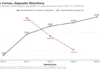
The figures, disclosed in a reply by the Ministry of External Affairs in the Lok Sabha on December 13, show that 1,63,370 Indians renounced their citizenship in 2021, followed by 2,25,620 in 2022, and 2,16,219 in 2023. The data has sparked debates about the factors driving this significant shift and its potential impact on India’s workforce and economy.
The numbers show a stark contrast when compared to previous years. In 2020, just 85,256 Indians renounced their citizenship, which marked a significant drop likely due to the pandemic’s disruptions. However, the trend had been rising steadily in the years leading up to 2020. For example, in 2019, the number was 144,017, in 2018 it was 134,561, and in 2017, it was 133,049. The numbers continued to rise year by year, culminating in the sharp increase observed in 2021-2023. This surge highlights the growing trend of citizens seeking opportunities abroad, particularly in countries offering more favourable living and working conditions.
The reasons behind this mass exodus of Indian citizens are largely personal, according to the government, though many analysts suggest that it may be linked to better opportunities abroad, particularly in countries offering higher salaries, improved quality of life, and more favourable professional environments. Countries such as the United States, Canada, Australia, the United Kingdom, and several European nations remain popular destinations for those relinquishing their Indian citizenship.
Experts have raised concerns about the economic implications of this trend, particularly in terms of the loss of highly skilled professionals in sectors like technology, healthcare, and engineering. As India continues its push to become a global economic leader, the potential brain drain could undermine its growth trajectory, depriving it of essential human capital. However, the government remains optimistic, highlighting its efforts to engage with the Indian diaspora as an asset. The Ministry emphasized that India is focused on tapping into the expertise of its diaspora, leveraging their knowledge and connections to bolster the country’s global standing.
Regarding dual citizenship, which many argue could help curb this trend, the government reiterated that dual nationality is not allowed under the Indian Constitution. This has led to debates about whether such a policy might help retain more professionals who may otherwise be inclined to renounce their Indian citizenship in favour of a country that allows multiple nationalities.
In response to the concerns about the loss of talent, the government has introduced measures to create more opportunities for Indians abroad. This includes initiatives aimed at providing better support to Indian citizens living abroad and encouraging investment and knowledge transfer from the global Indian community. Additionally, the Overseas Citizen of India (OCI) scheme, which offers long-term residency benefits in India without requiring full citizenship, has seen a sharp increase in registrations. As of the latest data, over 51 million OCI cards have been issued, granting holders multiple entry visas, exemption from registration with the Foreigners Regional Registration Office, and equal rights with non-resident Indians in economic, financial, and educational sectors.
The government said its efforts are focused on creating a favourable environment both at home and for Indians working overseas, ensuring that the country benefits from the skills and expertise of its global citizens. However, the significant rise in renunciations remains a pressing issue, requiring ongoing attention to prevent further brain drain and its associated economic and social consequences.