SRINAGAR: The age-old craft of stone carving, integral to building traditional Kashmiri Hamams, is on the verge of extinction as cheaper materials from Rajasthan flood the local market. This shift threatens the livelihood of local artisans and jeopardises a cultural legacy that has been an intrinsic part of Kashmir’s heritage for centuries.
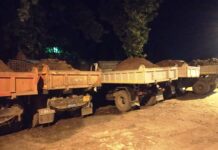
Hamams, heated rooms providing warmth during harsh winters, have been a hallmark of Kashmiri culture. Traditionally, these structures were constructed with meticulously sculpted local stones, an art form passed down through generations. However, the rise of precut and polished materials like marble and granite from Rajasthan has led to a drastic reduction in demand for locally crafted stone slabs.
Artisans like Bashir Ahmad from Pampore express their dismay at the changing preferences. “People once cherished our work as it symbolised tradition. Now, they choose cheaper and more polished alternatives from Rajasthan, making it difficult for us to sustain our craft,” he said.
The influx of mass-produced materials, which are both cost-effective and quicker to install, has made it hard for Kashmiri artisans to compete. Consumers are drawn to the affordability and modern appeal of these materials, which have displaced the traditionally labor-intensive process of local stone carving.
Historians and cultural experts warn that the decline of this craft has broader implications. Farooq Ahmad, a historian, remarked, “The traditional method of Hamam making is not merely a construction technique; it is an art form that embodies Kashmir’s unique cultural identity.”
Despite its significance, efforts to revive the craft remain insufficient. Artisans are urging the government to intervene by offering subsidies, promoting the use of indigenous materials, and creating awareness about the cultural and economic importance of sustaining this heritage.
“If urgent measures aren’t taken, this art will disappear, taking with it a piece of Kashmir’s soul,” said Mushtaq Ahmad, an artisan from Pulwama, reflecting the growing despair among those who have kept this tradition alive for generations. (With KINS inputs)