SRINAGAR: The Mutahida Majlis-e-Ulema (MMU), the leading representative body of Islamic organisations, Ulemas, and religious institutions in Jammu and Kashmir, has issued a resolute statement opposing the proposed amendments to the Waqf Act. The amendments, which have been placed before the Joint Parliamentary Committee (JPC), are perceived by the MMU as a significant threat to the religious autonomy and the rights of the Muslim community in the region.
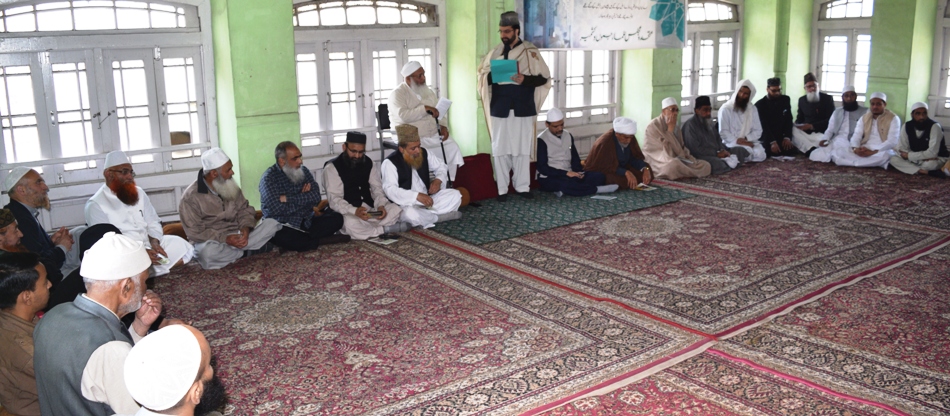
The MMU, under the patronage of Mirwaiz Umar Farooq, has addressed a formal letter to Shri Jagdambika Pal, Chairman of the JPC on the Waqf (Amendment Bill) 2024, urging the immediate rejection of the proposed changes. In this joint letter, the MMU highlighted deep concerns that these amendments undermine the fundamental principles of the Waqf system and violate the religious and constitutional rights of Muslims in Jammu and Kashmir.
The MMU’s letter emphasised several alarming issues with the proposed amendments. One of the primary concerns is the provision granting the government sweeping powers to effectively transform Waqf properties into government properties. Under the new proposals, the authority of the collector is significantly expanded, allowing them to alter the status of Waqf properties by merely adjusting entries in the Revenue records. This, the MMU believes, threatens to undermine the very essence of the Waqf institution, which has been designed to safeguard properties dedicated to religious and charitable purposes.
Another contentious issue pertains to the composition of the Waqf boards and councils. The amendments suggest an increase in non-Muslim representation, raising the number of non-Muslim members in the Central Waqf Council to 13 and the State Waqf Boards to 7. Previously, only one non-Muslim member was included in these bodies, and all other members were elected from within the Muslim community. This proposed change, combined with the removal of the requirement that the Chief Executive Officer (CEO) of the Waqf Board must be a Muslim, is seen by the MMU as a direct attempt to interfere in the functioning of these religious bodies and diminish Muslim representation in decision-making.
The MMU further expressed alarm over the removal of the provision of “Waqf by the user,” which traditionally allowed properties used for religious or charitable purposes for extended periods to be considered Waqf properties. Eliminating this provision could lead to disputes over properties such as mosques, madrasas, dargahs, astans, and graveyards that have been utilised by the Muslim community for centuries but may not be formally recorded in revenue records. This, according to the MMU, opens the door for potential litigation and illegal appropriation of such properties by the state.
Another major point raised by the MMU is that the proposed amendments violate Muslim Personal Law, which is protected under Article 25 of the Indian Constitution. The organisation has cautioned that these changes will erode trust between the Muslim community and the state, aggravating existing tensions by infringing upon the autonomy of their religious and charitable institutions.
The MMU’s letter has made it clear that the Muslim-majority population of Jammu and Kashmir feels deeply threatened by the proposed amendments. The organisation sees the amendments as part of a broader effort to undermine the religious freedom and institutional autonomy of the Muslim community in the region. If these amendments are not rejected, the MMU has warned that Muslims in Jammu and Kashmir will take to the streets in protest, as they view these proposals as an assault on their religious institutions.
In the spirit of constructive engagement, the MMU has requested that the JPC reconsider the proposed amendments and instead engage in meaningful dialogue with the Muslim community. The organisation stressed the importance of consulting the community on any potential changes to the Waqf Act to ensure that the reforms align with the needs and concerns of those who are most affected by them.
In their letter, the MMU expressed hope that the JPC would take their concerns seriously and arrange for a delegation from the MMU to meet with the committee for further discussions. This, they believe, is crucial for addressing the concerns of the Muslim community and ensuring that the amendments serve their intended purpose without infringing on religious freedoms.
The joint letter, led by Mirwaiz Umar Farooq, was signed by representatives of the following prominent Islamic organisations and institutions:
Anjuman Auqaf Jama Masjid Srinagar Kashmir
Muslim Personal Law Board Jammu and Kashmir
Darul Uloom Rahimiyah Bandipora J&K
Anjuman Shari Shian J&K
Jamiat Ahle Hadith J&K
Karwan-e-Islami J&K
Ittihad-ul-Muslimeen J&K
Anjuman Himayat-ul-Islam J&K
Anjuman Tabligh-ul-Islam J&K
Jamat-i-Islami J&K
Jamiat Hamdania J&K
Anjuman Ulama-e-Ahnaf J&K
Darul Uloom Qasmiya J&K
Darul Uloom Bilaliya J&K
Anjuman Nusrat-ul-Islam J&K
Anjuman Mazhar-ul-Haq J&K
Jamiat-ul-Aima wal Ulama J&K
Anjuman Aima wa Mashayekh J&K
Darul Uloom Naqshbandiya Kashmir
Darul Uloom Rashidiya J&K
Ahlul Bait Foundation J&K
Madrasa Kanz-ul-Uloom, Pirwan-e-Wilayat J&K
Auqaf Islamia Khiram Sirhama Kashmir
Bazm-e-Tauheed Ahle Hadith Trust
Anjuman Tanzeem-ul-Makatib Kashmir
Muhammadi Yateem Trust Kashmir
Anjuman Anwar-ul-Islam J&K
Karwan Khatm-e-Nabuwwat J&K
Darul Uloom Syed-ul-Mursaleen Kashmir
Anjuman Ulama wa Aima Masajid Kashmir
Falah-e-Darain Trust Welfare Society Islamabad
Ashraf-ul-Uloom Hyderpora Srinagar
Darul Uloom Dawoodiya Batamaloo Srinagar
Darul Uloom Furqaniya Nowshera Srinagar
Darul Uloom Dawoodiya Khanyar Srinagar
Jamiat-ul-Ulama J&K
Siraj-ul-Uloom J&K
Idara Wahdat-ul-Makatib Kashmir
Darul Uloom Imdadiya Natipora Srinagar
Darul Uloom Jamia-tur-Rashad Awantipora Kashmir
Khanqah Muradiya Jamia Masjid Kreeri Kashmir
Darul Uloom Saut-ul-Quran Gulshanabad Kashmir
Awami Rahat Trust Kashmir
Imamia Federation Kashmir
Sabeel-ul-irshad Buchpora Srinagar
Alnoor Trust Bemina Srinagar
The MMU’s letter to the JPC is a strong testament to the growing unease among the Muslim community in Jammu and Kashmir regarding the proposed Waqf amendments. With widespread support from religious organisations and scholars across the region, the MMU’s call for action signals a potential flashpoint in the ongoing debate over the control and management of Waqf properties in India.
For further developments on this issue, the MMU awaits a response from the JPC and continues to stand firm in its opposition to what it sees as an unjust encroachment on the rights of the Muslim community in Jammu and Kashmir.
Here is the full text of the representation submitted to the Joint ParliamentareyCommitte:
“Shri Jagdambika Pal
Chairman Joint Committee on Waqf (Amendment Bill) 2024
Parliament House
New Delhi
Subject: Strong Opposition to Proposed Amendments to the Waqf Act and Request to Reject the Waqf Amendment Bill 2024
Respected Shri Jagdambika Pal Ji,
On behalf of the Mutahida Majlis-E-Ulema (MMU), the foremost representative body of all major Islamic/Muslim organisations, Ulemas, and Muslim educational institutions of Jammu and Kashmir, I write to you to express our serious and deep concern regarding the proposed amendments to the Waqf Act.
We believe that these amendments are completely against the interests of the Muslim community and also violate the universally accepted fundamental rights of communities. Waqf properties are personal properties dedicated by Muslims in the name of God for the benefit of their society and to help the underprivileged. Such religious/social institutions warrant least interference from the state. But the Govt proposed Amendments clearly indicate an attempt at controlling this institution, making its motives suspect.
Our first concern is the proposed overtake of the Waqf by the Government through the authority of the collector. The collector has been given absolute power to change the nature of the waqf properties into “Government properties.” He can do this simply by passing orders and changing the entries in the Revenue record. Besides this, the arbitrary powers conferred upon the collector with regard to both disputed and undisputed Waqf properties give him immense control over them. This action seeks to undermine the very purpose of the Waqf Act, which is to protect and preserve the properties dedicated to religious and charitable purposes by the Muslim community members.
Another major concern is the reduction of Muslim representation and increase in the number of non-Muslim representation up to 13 in the Central Waqf Council and 7 in State Waqf Boards, and the arbitrary mandate given to them. Earlier, all members except one were Muslim, and they were elected.
Even the provision that the CEO of the Waqf board shall be a Muslim has been removed. These proposed changes are totally unacceptable as they will severely undermine the independent functioning of the Waqf board by direct interference from State-nominated non-Muslim Board members.
Another serious concern is the proposed removal of the provision of “waqf by user,” which recognised that the long use of property as a Waqf for religious and charitable purposes will establish its dedication as Waqf. Removal of “Waqf by user” not only violates the principles of Waqf but will aggravate communal claims over Mosques and other Waqfs such as Madrasas, Dargahs, Astans, and Qabristans existing for centuries but not recorded as such in revenue records, making it open to litigation and illegal appropriation by the State authorities. This is very distressing for the community.
Furthermore, the proposed amendments will give the government the power to remove Waqf properties from the list of protected properties. This will allow the government to seize or sell valuable Waqf properties, leaving the Muslim community with fewer resources to support its religious and charitable activities.
Besides, the proposed amendments are a violation of the Muslim Personal Law, which is protected under Article 25 of the Indian Constitution.
The amendments will also exacerbate the sense of insecurity and mistrust among the Muslim community, who already feel under threat, as now their religious properties will no longer be safe from government interference.
We want to make it clear that the Muslim-majority region of Jammu and Kashmir feels very strongly about these amendments to the Waqf Act, seeing it as another attempt at undermining our religious freedom and the autonomy of our institutions. If these amendments are not rejected, Muslims of J&K will protest it as they see it as an assault on our religious institutions.
So, we urge you to reconsider and reject these proposed amendments and rather engage in meaningful talks with the Muslim community to address these apprehensions and concerns, and take suggestions from them regarding what kind of changes they would like to see, if any at all, to make the Waqf Act more effective for their benefit and not superimpose these discriminatory changes upon them.
Considering the seriousness and urgency of the matter, we would like to kindly request you to give time to a delegation of MMU that would like to meet you at the earliest in this regard.
We hope to hear soon from you.
Sincerely,
Sd/-
Mirwaiz Umar Farooq
Patron
Mutahida Majlis-e-Ulema
Jammu and Kashmir”