by Asad Mirza
Milan’s unrest reflects local economic grievances, violence by some demonstrators and political blame. France may have influenced protests, but evidence establishes neither international coordination nor right-wing instigation.
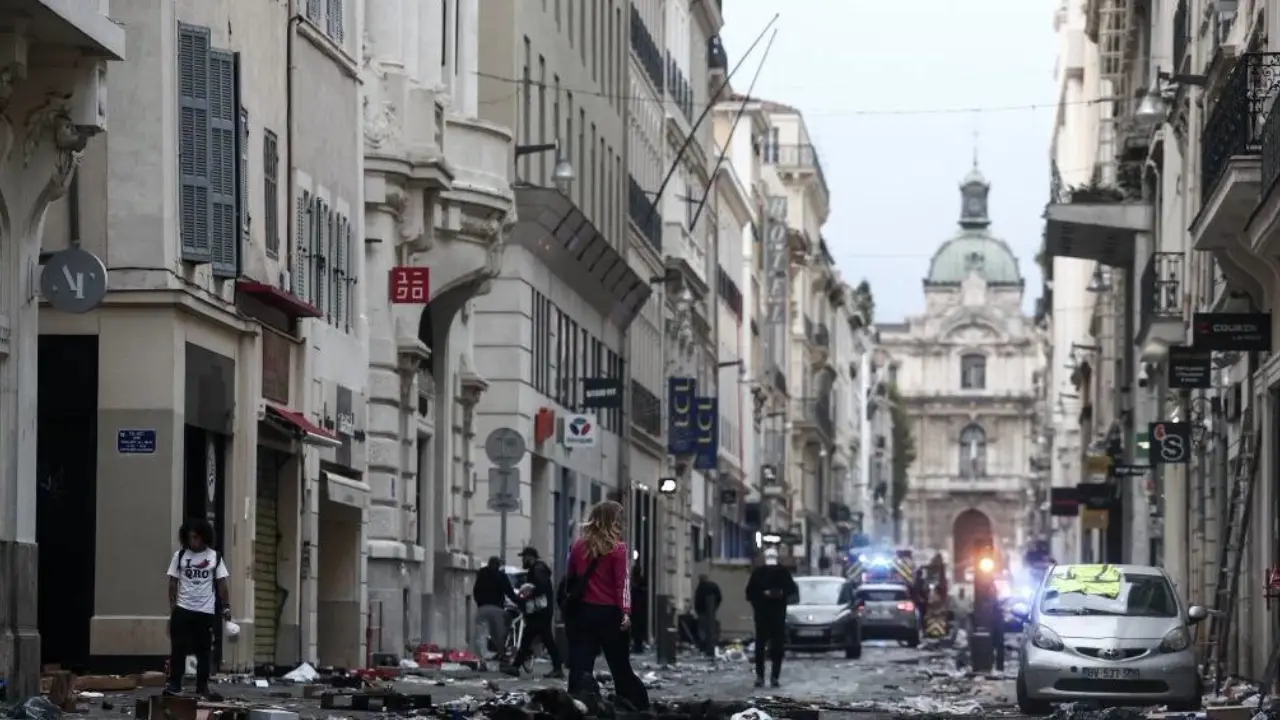
The clearest conclusion from recent reporting is that Italy’s unrest had several dimensions. The protests brought genuine economic and public-service grievances onto the streets; some gatherings were followed by serious violence; and politicians quickly turned the disorder into a contest over security and political blame. France appears to have influenced the atmosphere and, according to some reports, inspired demonstrators.
Milan’s Unrest
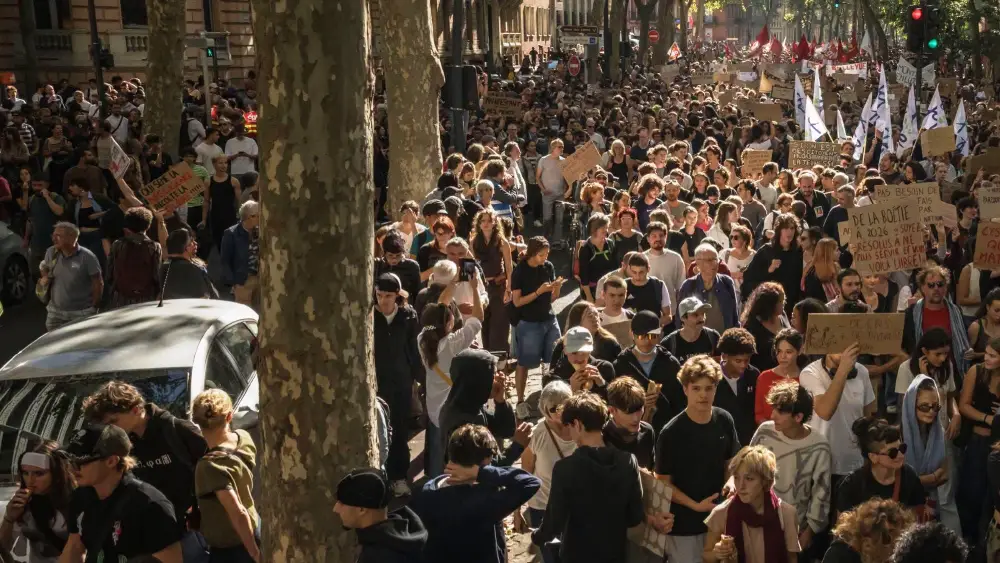
In Milan, protests over the cost of living and public services drew thousands of people over the weekend of October 17-18. Police used tear gas and water cannons after groups of masked or hooded participants threw objects, started fires, damaged shopfronts and looted businesses. Disorder was also reported in other northern cities, including Bologna and Turin.
The violence occurred alongside demonstrations that were not necessarily violent in themselves. Treating every protester as a rioter would erase an important distinction. The BBC reported that more than 250 people were detained over the weekend, while Italian authorities said many of those involved were minors.
The government’s response has been swift and substantial. On October 21, Italy approved tougher measures, including the deployment of an additional 500 soldiers in Milan until the end of the year, making parents financially responsible for damage caused by their children, and expanding the scope for prosecuting minors over the age of 14.
The decree also creates an offence of violent participation in a demonstration, punishable by up to five years in prison and a fine of up to €20,000, with tougher penalties in specified circumstances. These measures were announced in response to the disorder; they do not prove that the demonstrations as a whole were organised to commit violence.

French Influence
There is evidence of a French connection, but it should be described carefully. Protests in Italy followed weeks of unrest in France, where demonstrations had grown around education funding, school conditions, inequality and public spending.
Italy’s protests, however, had their own local causes, including rising living costs and dissatisfaction with public services. The BBC described the Italian disorder as echoing unrest in neighbouring France. Reporting on the Milan protests also described demonstrators as inspired by recent protests in France and Spain.
This supports the possibility of influence in timing, tactics or political imagination. It does not establish that the demonstrations in Italy were driven primarily by events in France.
The distinction matters. Similar images of masked youths, clashes with police and damaged shops can spread rapidly online and encourage imitation. But resemblance is not proof of coordination.
Milan Mayor Giuseppe Sala suggested that the disorder reflected an international scenario that could “feed itself”, while Prime Minister Giorgia Meloni said social-media images of young people smashing property and looting could become a model for others. These statements point to a plausible mechanism of influence, but they neither identify a command structure nor demonstrate that French organisers orchestrated events in Italy.
Right-Wing Role
The available evidence does not establish that right-wing groups instigated the violence. Government figures and politicians from Meloni’s right-wing coalition blamed “hooligans”, organised groups or the extreme left.
Fratelli d’Italia MP Francesco Filini, for example, attributed the destruction to left-wing extremists. These are political claims, not independent proof of who planned or initiated the violence. The reporting reviewed does not identify a verified right-wing organisation as the organiser of the riots, nor does it establish that right-wing politicians directed violent acts.
That does not mean the right wing has played no significant role in the episode. Meloni’s government has framed the disorder as a security emergency and used it to justify harsher penalties and expanded police powers. The government’s rhetoric has also pressed opposition parties to condemn the violence unequivocally, while opposition leader Elly Schlein has condemned violence and warned against using it to silence peaceful protesters.
This is a consequential political role in shaping the response and public narrative, but it is not evidence of instigation.
Balancing Rights

Italy’s central challenge is therefore twofold. Authorities have a duty to protect residents, workers and businesses from violence, while peaceful demonstrators have the right to protest without being collectively treated as criminals.
Laws imposing broad penalties or liability on families may deter disorder, but they could also discourage lawful protest if applied too expansively. Security measures alone will not resolve the grievances that brought people onto the streets. Reporting identifies pressure from the cost of living, low wages, rents and inadequate public services as part of the wider context.
Measured Verdict
The best-supported conclusion is measured: Milan’s unrest was rooted in local grievances and included violent acts by some participants. France may have influenced or echoed the wider protest wave, but coordination has not been demonstrated. India’s role as an inspiration remains unproven, and the available evidence does not establish that Italy’s right wing instigated the riots.
The right-wing government has, however, made the violence a central justification for a tougher security agenda.
(The writer is a New Delhi-based senior commentator on national, international, defence and strategic affairs, environmental issues, an interfaith practitioner, and a media consultant. Ideas are personal.)