by Abdul Razak Wani
The Waqf (Amendment) Bill, 2024, introduces major changes, including non-Muslim members in waqf boards, government control over waqf property ownership, and restrictions on historic waqf sites. Critics argue it undermines Muslim autonomy and facilitates state appropriation of waqf assets, while the government claims it enhances transparency and governance.
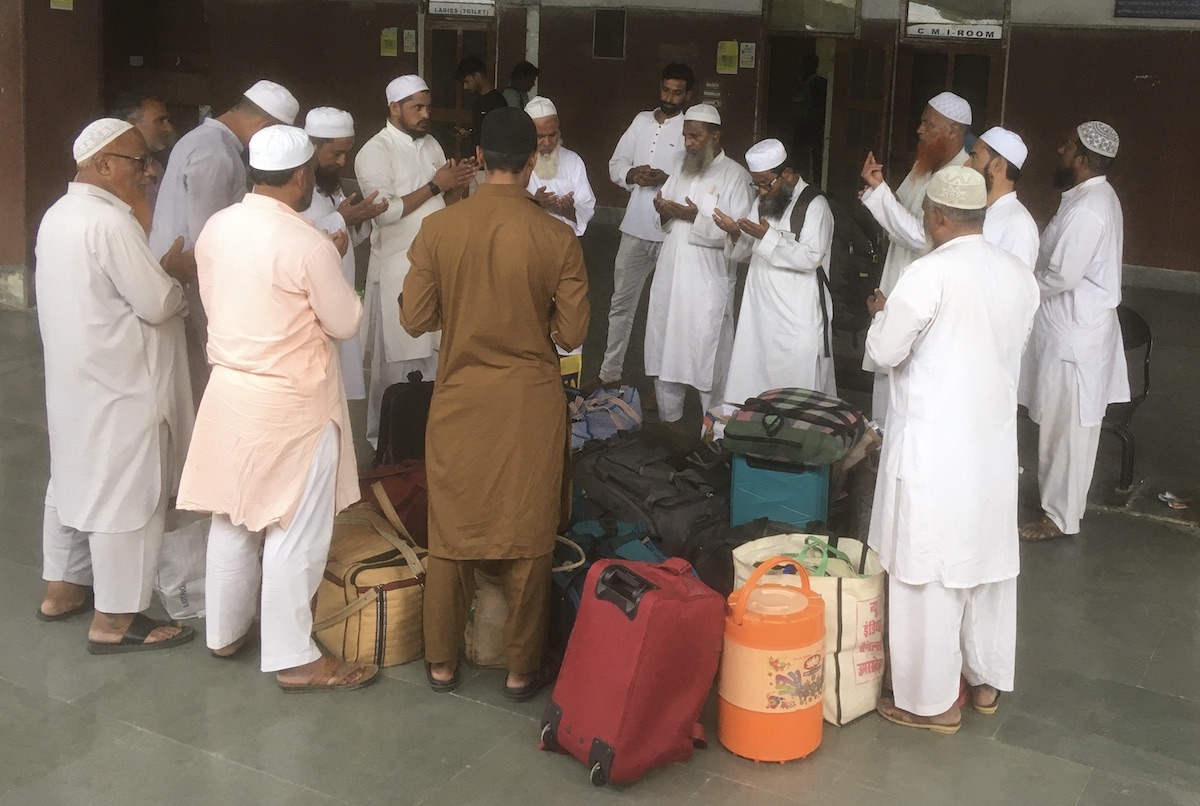
The Waqf Act, 1995, governs the administration of waqf properties in India, which are religious endowments permanently dedicated to the welfare of the Muslim community. The BJP-led government has introduced significant amendments to this act, arguing that these changes will bring greater transparency, accountability, and efficiency in managing waqf assets. However, the proposed amendments have sparked widespread concern among Muslim organisations and opposition parties, who view them as an attempt to dilute the autonomy of waqf institutions and exert greater government control over Muslim religious properties.
India has the largest number of waqf properties in the world, with over 872,000 registered waqf assets spanning nearly 405,000 hectares (1 million acres), with an estimated value of about $14.22bn (Rs 1,21,855.75 crore). These properties include mosques, dargahs, graveyards, schools, orphanages, and commercial establishments.
The Waqf Boards are cumulatively among the largest landowners in the country after the Indian Railways and the Defence Ministry. Despite their vast assets, mismanagement, encroachment, and corruption have plagued these institutions, according to the government. The government argues that the new bill is necessary to address these challenges, while critics see it as an attempt to take over waqf properties.
Key Amendments
Inclusion of Non-Muslim Members: The bill proposes to include non-Muslim members in the Central Waqf Council and State Waqf Boards. The eligibility criteria for the appointment of the Chief Executive Officer (CEO) of Waqf Boards have also been altered, removing the requirement that the CEO must be Muslim. The government claims this will bring diverse expertise and improve governance, but opponents argue that it will dilute the Islamic character of waqf institutions and open the door for external interference. Notably, similar religious boards of other communities, such as Hindu temple trusts, do not allow members from outside their faith.
Increased Government Authority: Previously, the Waqf Act empowered the State Waqf Boards to determine whether a property belonged to the waqf. The new bill transfers this power to the district collector (deputy commissioner), who will have the final say in determining the ownership of disputed waqf properties. If the collector decides that a waqf property belongs to the government, it will be recorded as government land in revenue records. Critics argue that this move effectively allows the government, which is often a litigant in waqf disputes, to adjudicate in its own favour.
Elimination of ‘Waqf by Use’ Doctrine: The bill removes the provision recognising “Waqf by Use,” under which historic properties like mosques, shrines, and graveyards that have been in religious use for centuries could be classified as waqf properties even if official documents were unavailable. This change threatens the status of numerous historic religious sites that lack modern revenue documentation.
Easier Leasing: The amendments allow waqf properties to be leased for commercial purposes, including for the construction of malls, schools, and hospitals. Lease periods are extended to attract private investment, and a revenue-sharing model is introduced. While this is projected to generate funds for community welfare, critics fear that it could lead to the commercialisation of religious endowments and their deviation from their original purpose.
Tribunal Composition: The bill alters the composition of waqf tribunals, replacing legal experts with government-appointed officials. Additionally, it removes the provision that made the tribunal’s decision final. Now, decisions can be appealed to the High Court, which could prolong legal disputes over waqf properties.
Digitisation and Geo-Tagging: The bill mandates the digitisation of waqf records and the geo-tagging of waqf lands. The government argues that this will improve transparency and prevent unauthorised encroachments. However, opponents fear that it could facilitate government acquisition of waqf properties under the pretext of regulatory oversight.
Increased Oversight: The bill enhances the powers of the Central Waqf Council to directly oversee state waqf boards, audit their finances, and regulate their administration. Mandatory annual audits and public disclosure of waqf funds are introduced. While the government claims this will curb corruption, critics argue that excessive centralisation undermines the autonomy of waqf institutions.
Eligibility Criteria: The amendments state that only individuals who have practised Islam for at least five years can create waqf, further restricting community participation in waqf-related matters.
Criticism and Concerns
The amendments have been met with strong opposition from various Muslim organisations, religious leaders, and political parties.
The inclusion of non-Muslim members and government-appointed officials in waqf governance is viewed as an intrusion into religious affairs.
By giving district collectors the power to determine waqf ownership, the bill makes it easier for the government to appropriate waqf land.
Removing the “Waqf by Use” doctrine could strip several historic mosques and graveyards of their waqf status.
The increased powers of the Central Waqf Council are seen as an attempt to bring waqf boards under direct government control.
Leasing waqf land to private players could divert them from their intended charitable and religious purpose.

Community’s Response
The All India Muslim Personal Law Board (AIMPLB) has called the bill a “black law” that threatens the rights of Muslims. Opposition parties have also condemned the bill, accusing the BJP-led government of pushing it through without consultation.
Mehbooba Mufti, President of the Jammu and Kashmir Peoples Democratic Party (PDP), has described the bill as a deliberate attempt to marginalise Muslims. She warned that such policies could deepen societal divisions and likened the situation to the migration of Kashmiri Pandits. She urged the public, particularly the Hindu community, to oppose what she called an oppressive move.
Conclusion
The Waqf (Amendment) Bill introduces sweeping changes to the existing legal framework governing waqf properties. While the government argues that these reforms will modernise waqf management, critics view them as a direct assault on the autonomy of Muslim religious institutions. The bill’s provisions—especially those related to government control over waqf property ownership, the inclusion of non-Muslim members, and the removal of protections for historic religious sites—have raised serious concerns about its long-term implications for the Muslim community. The debate surrounding the bill underscores broader tensions over religious autonomy, governance, and minority rights in India.
(The author writes occasionally on crucial issues. Viws are personal.)