by Firdous Ahmad Lone
Kashmir’s toponyms preserve Shina, Kashmiri, Sanskrit, Balti and Persian layers; Drass, Gurez, Burzil and Zojila reveal birch-linked routes, Dard migrations, pastoralism, and evolving political-cultural landscapes.
In Kashmir and its frontier zones, place names act as linguistic fossils, revealing layers of Shina, Kashmiri, Balti, Sanskrit, and later Persian influence. Studying them allows us to reconstruct older landscapes and understand how geography shaped human settlement and identity over centuries.
The place names of Drass and Gurez reveal a complex historical and linguistic interplay, shaped by geography, ecology, and the movement of peoples. Their etymologies, along with those of the Burzil and Zojila passes, point to a shared cultural and environmental landscape, primarily marked by the presence of birch trees.
Burzil and Zojila: The Birch connection
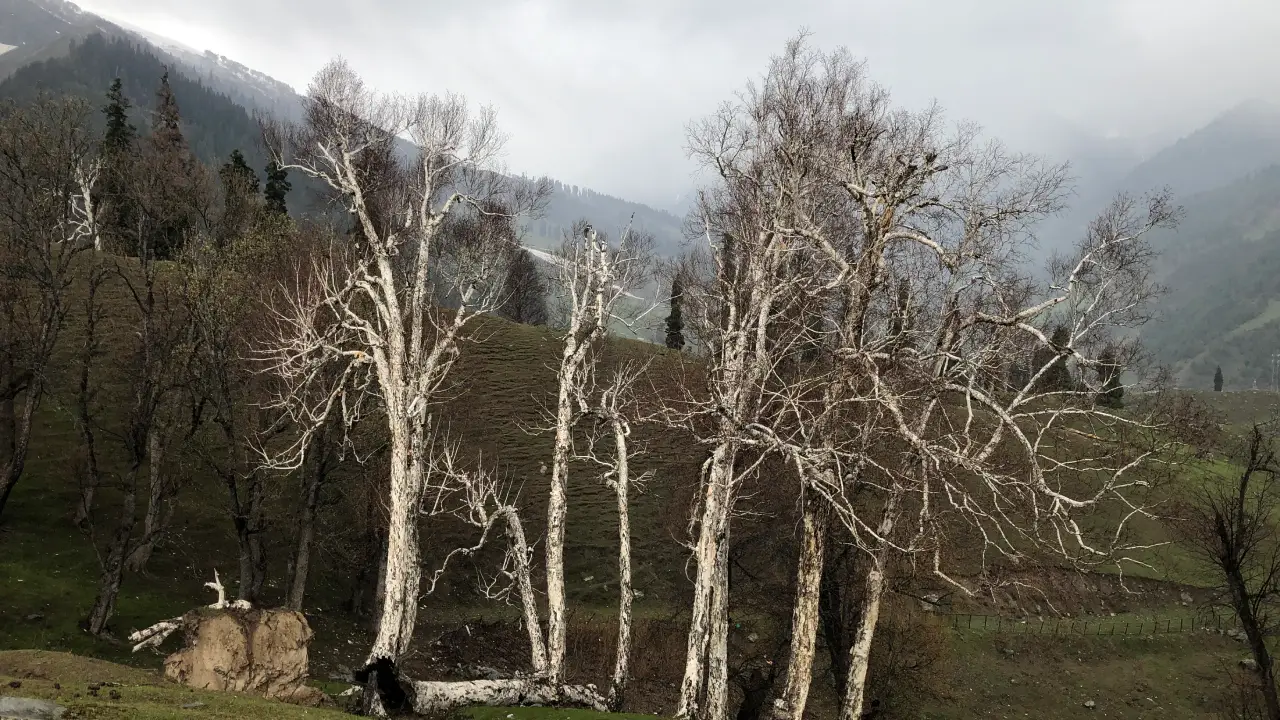
The names of the Burzil and Zojila passes share a common root: the birch tree. Burzil derives from the Kashmiri word burza, meaning birch. Similarly, in the Shina language, zoji means birch (“la” is Ladakhi for mountain pass). Mohammad Shafi Sagar writes in his book Shina Lok Adab that in the Shina language, Zojila is called Zoji-khun, where khun means “pass” and khun got replaced by La. This indicates that abundant birch forests historically characterised both passes.

The Burzil Pass, located at the far end of the Gurez Valley (now across the Line of Control), connected Kashmir with Gilgit via the Astore Valley. Its counterpart to the south is the Razdan Pass (also called Tragbal), which links Kashmir directly to the Gurez Valley. The Kashmiri etymology of Burzil suggests it was the primary route for Kashmiris travelling to Gilgit in medieval times.
Conversely, the Zojila Pass connects Kashmir with Drass, Ladakh, and onward to Tibet. Its local Shina name highlights birch forests, while its Kashmiri names are Baltal or Kantal Pass. Immediately upon descending Zojila, the first major settlement was Drass.
Drass: The valley
Drass originates from the Shina word Das, meaning a plain or valley. Mohammad Shafi Sagar writes that the old name of Drass was Hino-baas, which in Shina means the abode of snow. Over time, Hinobaas evolved into Drass.
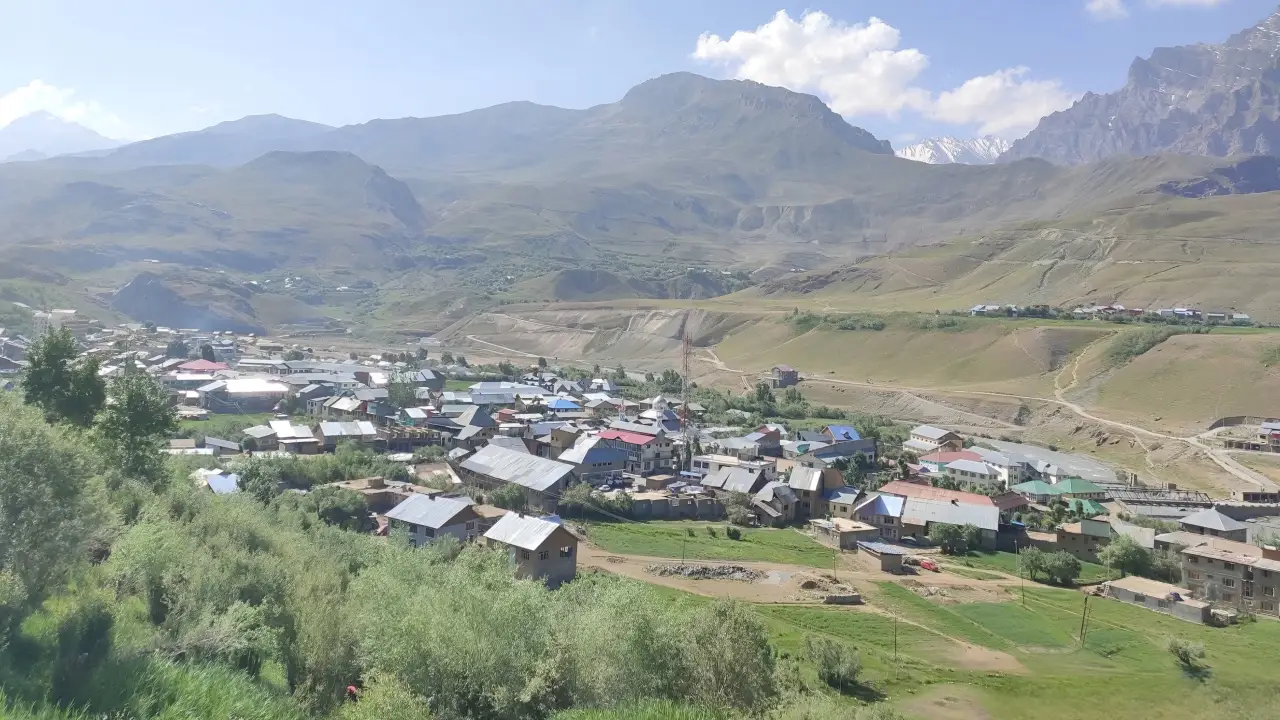
Drass is the primary bastion of the Shina-speaking Dards in the region. The pass between Drass and Gurez is known locally as Kaobal (a seemingly Kashmiri name), while Ladakhis call it Birok-La. The pass between Baltistan and the Tulail Valley is called Karaboi Pass, a Shina name.
In the Gultari Valley, located between Astore and Drass, there are also many places with the name “Das.” These names suggest that when the Dards came into these areas from Gilgit–Astore, they named every flat piece of land where a settlement could be established as “Das,” meaning valley or plain.
In Drass, there is a village called Pandrass, meaning an old plain or valley. There is also a landmark known as Bhimbat, which in Shina refers to a stone used for sitting. Chanagund is named after a Kashmiri carpenter (chan in Kashmiri is carpenter and gund refers to settlement). In Drass, some village names are also in Balti, such as Kharbo, which means “a place with a fort.”
Gurez: A Mosaic of Linguistic Influences
Gurez, historically, oscillated between the rule of Kashmiri kingdoms and the dynasties of Gilgit and Baltistan, reflecting this history in its toponymy. The name Gurez itself comes from the Shina Gorai, composed of G,o meaning cattle or livestock and Harai, which in Old Shina meant a shepherd’s hut, indicating its initial use as a pastoral ground for Dards from regions like Gilgit-Astor or Kashmir.
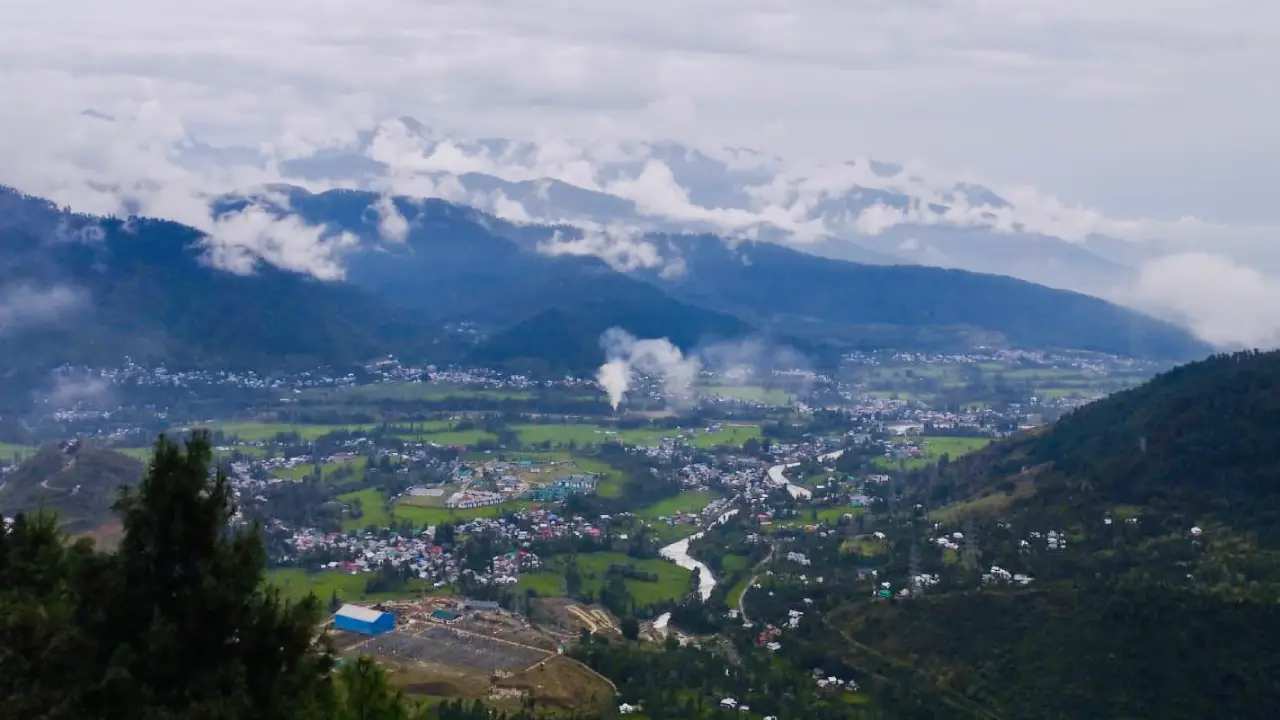
Most local place names are in Shina, for example, Jarijouj (village of an old birch tree), Angaikot (fort of the sky), Kilshay (ibex village), Sinyal (a village settled along a river), and others.
Several names are of Kashmiri origin, such as Tragbal, named after trag, a pond; Burzil, named after birches; Tarbal, which had a river crossing; Kanzalwan, believed to be derived from kundalwan; and Markoot, from marg (meadow) and kot (fort).
Some Shina names have been Kashmirised by Kashmiri speakers; for example, Shina Achu becomes Kashmiri Achur. Other places also have Kashmiri names; for instance, the village Sinyal is known in Kashmiri as Churwan (forest of thieves), referring to the use of the local forests by bandits.
Conversely, there are villages whose names were originally Kashmiri but are pronounced differently in Shina. Manzgam becomes Maja Kui in Shina; both names convey the meaning of a village located at the very centre of the Tulail Valley. Similarly, villages such as Malangam, Hassangam, and Gundgulsheikh are associated with the names of Kashmiri migrants who settled and established these villages in the 19th century.
Kishanganga is the main river of the region. Its name has evolved from Krishanganga, as recorded in the Rajatarangini; this is a Sanskrit name. Razdan is also a Sanskrit name, meaning “royal mountains.” There is a place called Razdan in Budgam as well.
In Tulail, there is a village whose name is in English, Refugee Village.
Historical Context
In ancient texts like the Rajatarangini, the Gurez region was referred to as Daratpuri (Sanskrit) or Dardpur (Kashmiri), meaning “the abode of the Dards.” This is linked to numerous villages in the Kashmir valley called Dardpur or Dardkoot, suggesting settlements of Dards who migrated from the north, as noted in the book Making of Early Kashmir by Mohammad Ashraf Wani and Aman Ashraf Wani.

The Sikh and Dogra periods added another layer, with forts like the one at Markoot (from the Kashmiri marg) being built in Gurez, and Ranbir Singh Pora being established in Drass.
Even prominent landmarks reflect this evolution. Gurez’s most notable peak was traditionally called Dumbari before becoming known as Habba Khatoon Peak, as recorded in the Gazetteer of Kashmir and Ladakh (1980). Alongside this peak is a stream called Chak Nallah, which is associated with Yousuf Shah Chak.
(The author is a postgraduate student of History. Ideas are personal.)