SRINAGAR: Iran has elected reformist Masoud Pezeshkian as the country’s new president following the death of former President Ebrahim Raisi in a helicopter crash in May. Pezeshkian, a 69-year-old heart surgeon, won the runoff election with approximately 54 per cent of the vote, securing around 16 million votes out of the 30 million cast. His opponent, ultraconservative Saeed Jalili, garnered about 13.5 million votes.
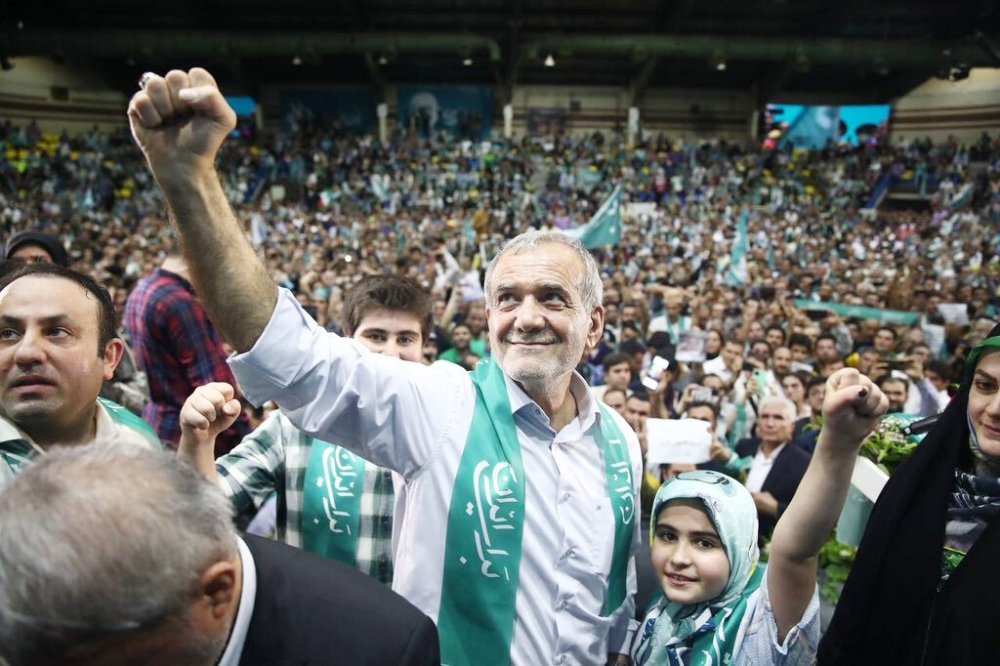
Pezeshkian’s victory marks a significant shift in Iranian politics, given his reformist stance and calls for “constructive relations” with Western countries to alleviate Iran’s international isolation. During his campaign, he asserted the importance of reviving the 2015 nuclear deal, which aimed to limit Iran’s nuclear activities in exchange for sanctions relief. The deal fell apart in 2018 when the United States withdrew from it.
A trained heart surgeon and lawmaker, Masoud Pezeshkian, previously served as the health minister under reformist president Mohammad Khatami. He gained recognition for his opposition to the crackdown on the 2009 pro-democracy protests and the violence perpetrated by the morality police in 2022 following the death of Mahsa Amini.
Pezeshkian has presented himself as a candidate for all Iranians, stating at a recent presidential debate, “Among my supporters are both left and right, even those who do not pray.”
After losing his wife and one of his children in a 1994 car crash, Pezeshkian devoted much of his time to politics. He ran for president in the 2013 and 2021 elections but did not gain significant traction. The 69-year-old comes from an ethnically mixed family, with an Azeri father and a Kurdish mother. Persian is not his mother tongue, which has bolstered his image among Iran’s minorities but also made him a target for xenophobic attacks from some opponents.
In his domestic agenda, Pezeshkian has pledged to ease long-standing internet restrictions and oppose the enforcement of the mandatory headscarf on women. This stance comes in the wake of widespread protests sparked by the death of Mahsa Amini, a 22-year-old Iranian Kurd who died in police custody in 2022 after being detained for an alleged dress code violation.
Pezeshkian also aims to include more women and ethnic minorities, such as Kurds and Baluchis, in his government. He has promised to tackle the country’s high inflation rate, which currently hovers around 40 per cent, and has called for significant foreign investment to boost the economy.
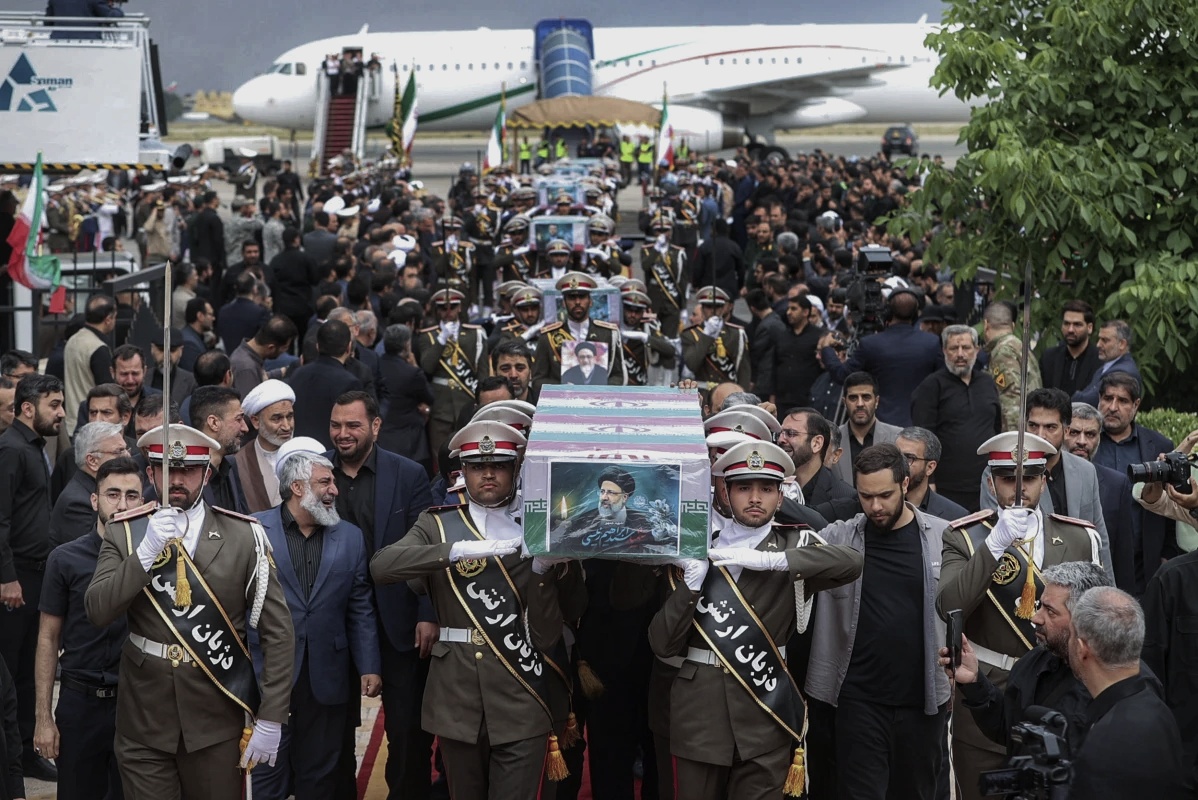
Despite these promises, Pezeshkian’s power will be limited by the ultimate authority of the Supreme Leader, Ayatollah Ali Khamenei, who has held his position for 35 years. While Pezeshkian will influence domestic and economic policy, his control over the police, the army, and the Islamic Revolutionary Guard Corps (IRGC) will be minimal, as these institutions report directly to Khamenei.
Public reaction to Pezeshkian’s victory has been mixed. Some are optimistic, believing that Pezeshkian’s literacy and background will help address Iran’s economic issues. Others, remain skeptical, fearing that the situation in Iran will worsen.
Internationally, Pezeshkian’s election has been met with cautious optimism. He has received congratulations from leaders like Saudi Crown Prince Mohammed Bin Salman and Russian President Vladimir Putin. These leaders expressed hope for improved bilateral relations and regional stability.
Pezeshkian’s presidency coincides with heightened regional tensions, particularly regarding the ongoing conflict in Gaza involving Iran’s ally, Hamas, and the subsequent involvement of Iran-backed militant groups in Syria, Lebanon, Iraq, and Yemen. Analysts believe Pezeshkian may face significant obstacles in securing social and cultural rights domestically while engaging diplomatically abroad.
As Pezeshkian takes office, he will be tasked with implementing policies outlined by the Supreme Leader while navigating a complex political landscape dominated by conservative forces. His success will depend on his ability to balance reformist ideals with the realities of Iran’s theocratic governance.