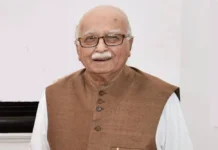
MUMBAI: Veteran actor and comedian Govardhan Asrani, fondly remembered for his timeless line “Hum angrezon ke zamane ke jailer hain” in Ramesh Sippy’s Sholay, passed away in Mumbai on Monday after a prolonged illness. He was 84.
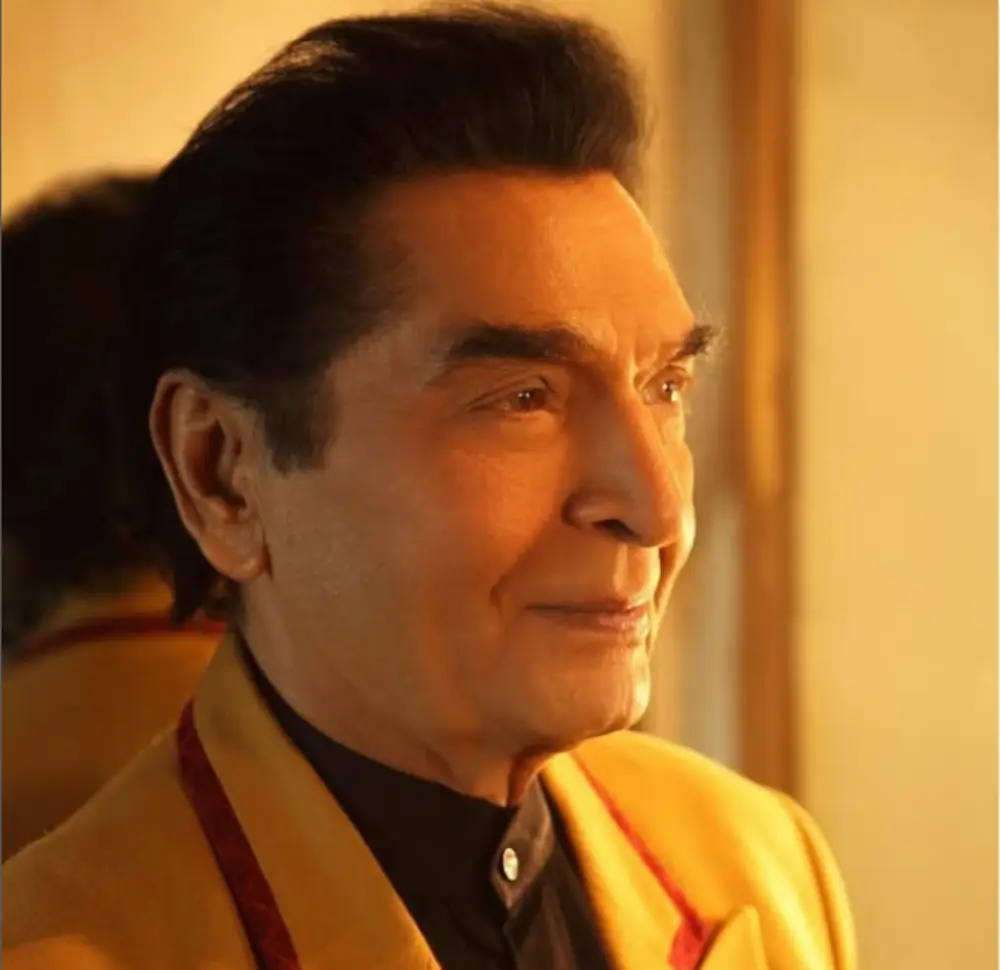
According to his manager, Babubhai Thiba, Asrani breathed his last around 3 PM at Bharatiya Arogya Nidhi Hospital in Juhu, where he had been admitted four days ago with breathing difficulties. Doctors reportedly found fluid accumulation in his lungs. As per his wish, his last rites were performed quietly at the Santacruz Crematorium in the evening, attended only by close family and friends.
“He had told his wife that he didn’t want his death to become an event,” said Thiba. “He wanted to go in peace.”
Born in Jaipur on January 1, 1940, to a Sindhi family, Asrani studied at St. Xavier’s School and graduated from Rajasthan College. He worked as a voice artist with All India Radio before pursuing acting at the Film and Television Institute of India (FTII), Pune, from where he graduated in 1966. His early struggle in Mumbai was marked by small roles and teaching stints at FTII until a chance meeting with filmmaker Hrishikesh Mukherjee brought him a role in Guddi (1971), which proved to be his breakthrough.
Over the next five decades, Asrani appeared in more than 350 films across Hindi and Gujarati cinema. His work in Bawarchi, Namak Haraam, Chupke Chupke, Abhimaan, Rafoo Chakkar, Golmaal, and Chhoti Si Baat cemented his reputation as one of India’s finest comic actors. He acted alongside Rajesh Khanna in nearly 25 films and became a regular in the gentle comedies of Hrishikesh Mukherjee and Gulzar.
But it was his role as the bumbling jailer in Sholay (1975) that made him immortal. Modelled loosely on Charlie Chaplin’s The Great Dictator, the performance — with its exaggerated mannerisms, rolling eyes, and clipped British accent — turned a small part into a cultural phenomenon. “Every time he came to set, he brought a new idea,” Ramesh Sippy once said. “He turned a two-minute role into history.”
In the later years, Asrani remained active in films such as Hera Pheri, Baghban, Chup Chup Ke, Garam Masala, Dhamaal, and Bol Bachchan. He also continued to appear in Gujarati cinema and television. As a filmmaker, he wrote and directed Chala Murari Hero Banne (1977) and Salaam Memsaab (1979), both of which earned him critical appreciation.
Asrani is survived by his wife, actress Manju Asrani, his sister, and a nephew.
A versatile actor with an instinctive sense of timing, Asrani leaves behind a legacy of laughter that defined an era of Hindi cinema. His dialogue from Sholay — “Hum angrezon ke zamane ke jailer hain” — continues to echo across generations, a reminder of how one man’s wit could make an entire nation smile.