SRINAGAR: Bangladesh’s ousted Prime Minister Sheikh Hasina has been sentenced to death by the country’s International Crimes Tribunal in Dhaka, following a months-long trial that found her guilty of crimes against humanity relating to last year’s violent crackdown on student-led protests. The verdict was delivered in Hasina’s absence, as she has been living in exile in India since August 2024, according to BBC.
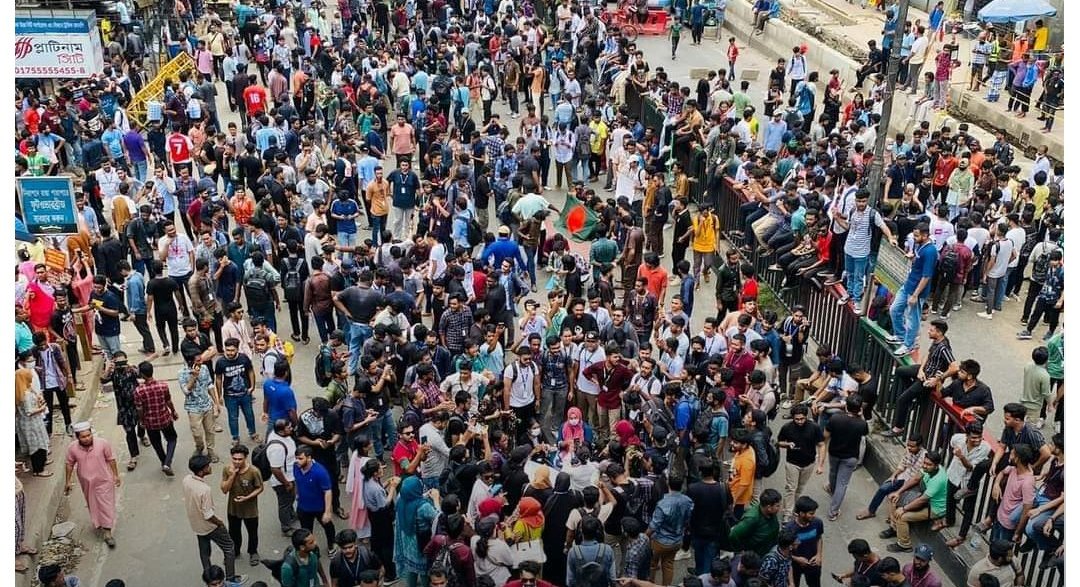
The tribunal found that Hasina, who led the Awami League party, directly ordered lethal force against protestors demanding reforms in civil service job quotas and broader democratic freedoms between July and August 2024. UN reports estimate that as many as 1,400 people were killed and thousands injured—many by gunfire from security forces—during what has been described as the worst unrest in Bangladesh since its 1971 war of independence.
During the trial, prosecutors presented evidence of Hasina’s direct command and derogatory remarks about protestors, with the court relying heavily on witness statements and state documents. Hasina was represented by a court-appointed defence lawyer after fleeing Bangladesh. She publicly dismissed the tribunal’s proceedings and accused authorities of orchestrating a political vendetta, a stance echoed by her son and political adviser Sajeeb Wazed, who indicated the family would not appeal unless the Awami League is allowed to freely contest the upcoming parliamentary elections.
Tensions have escalated in Bangladesh, with reports of bomb attacks and vehicles set ablaze in the days leading up to the verdict. Security remains on high alert, and analysts warn of further unrest as opposition groups condemn the ruling and protest Hasina’s exclusion from the forthcoming polls.
The verdict remains subject to appeal in the Supreme Court, but Hasina’s family have indicated they will not pursue any legal recourse until a democratic government is established.