by Dr Sheikh Umar Ahmad
India’s rural health gaps demand regulated Physician Assistants and Nurse Practitioners to expand access to primary care, reduce inequities, and strengthen frontline services nationwide.
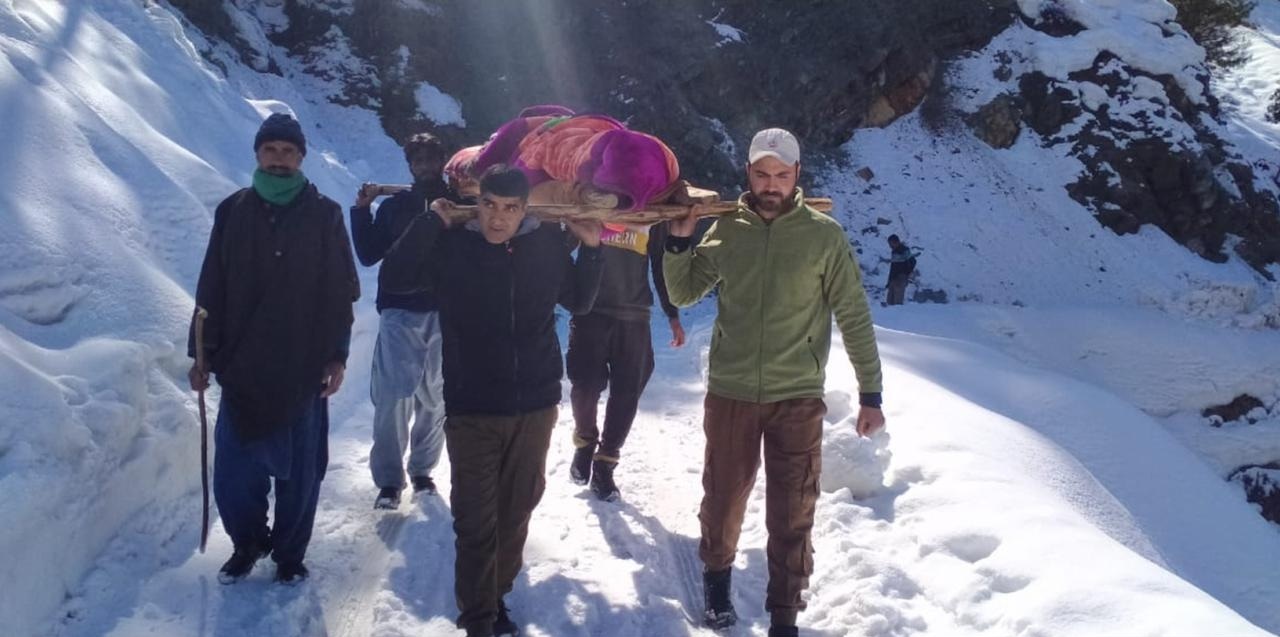
India’s healthcare story is a tale of two nations. In metros, patients can walk into a speciality clinic, get diagnostics the same day, and see a trained clinician within minutes. In vast rural stretches, however, spanning Jammu and Kashmir’s mountainous hamlets to remote Northeast districts, people still travel hours for basic care, face vacancies at primary health centres (PHCs), or find facilities without reliable electricity and water. The latest government and independent assessments confirm what villagers have long known: our rural health system is underpowered, understaffed, and unevenly equipped.
The Scale of the Problem
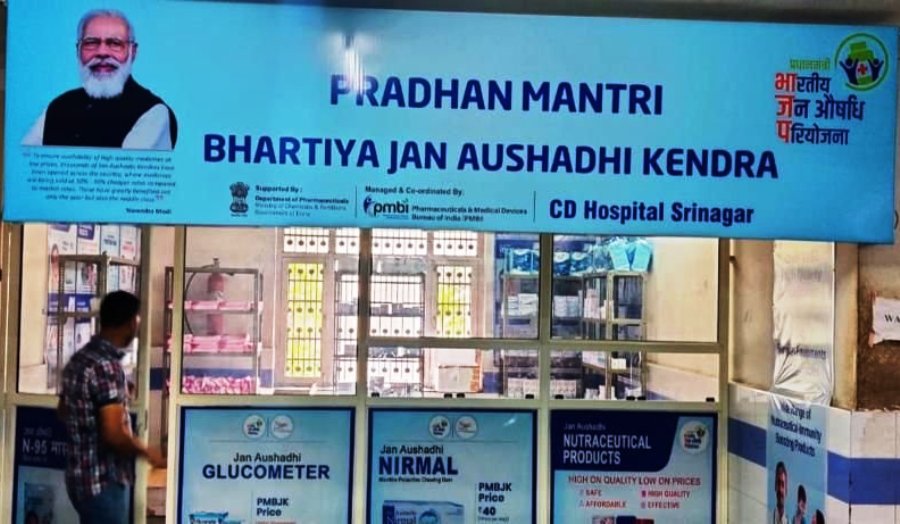
Consider two snapshots. First, the national doctor-population ratio: India recently reported 1:811, better than the WHO’s 1:1000 on paper, but this average masks acute mal-distribution. Urban clinics brim with doctors, while rural and tribal blocks struggle to keep PHCs staffed, exposing a systemic distribution crisis. Second, the State of Healthcare in Rural India, 2024 survey across 21 states finds that only 39 per cent of rural respondents have a diagnostic facility within a commutable distance, and just 12.2 per cent have access to subsidised medicines locally, evidence that undercuts timely care and escalates costs for the poorest.
Zoom into Jammu and Kashmir: as of March 2023, 890 rural PHCs existed; 200 operated out of rented spaces. Among 2,434 rural sub-centres, a majority worked from rented or panchayat buildings, with 27percent lacking regular water and 21percent without reliable electricity, conditions that compromise service delivery.
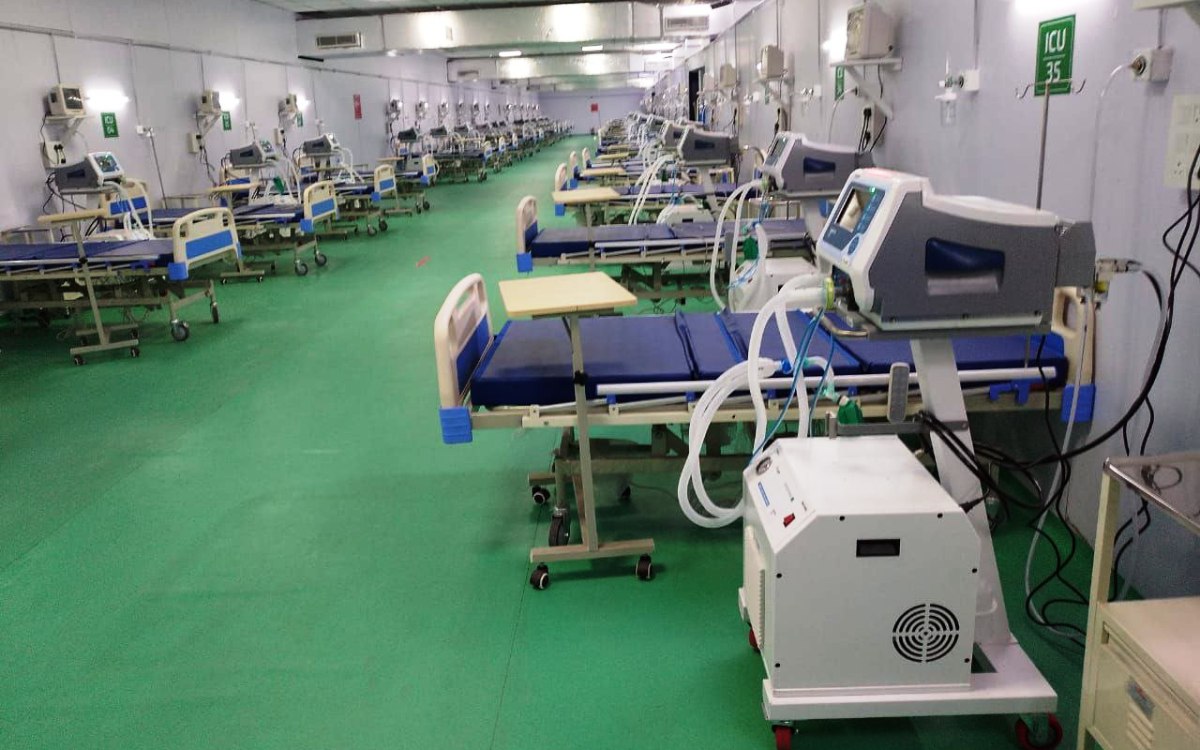
A separate analysis of district-level health infrastructure shows stark disparities, with Srinagar ranked among the most backward on a composite health infrastructure index, which measures factors like availability of hospitals, primary health centres, equipment, and staff. Being among the most backward indicates that Srinagar’s rural areas lack adequate healthcare facilities compared to other districts. As a result, families living in rural parts of Jammu and Kashmir often bypass their local health centres because those centres are poorly equipped or understaffed, and instead travel to Srinagar city hospitals for treatment, even though this involves long travel times and higher costs.
The Northeast tells a similar story; states like Assam and Meghalaya are struggling against higher child morbidity and mortality, as per research tracking infant and under-5 mortality rates with access barriers, terrain, distance, and workforce shortages compounding the burden. While national missions have expanded primary care footprints, the Ministry’s own reports acknowledge long-standing constraints in the Northeast: shortage of trained workforce, hard-to-reach populations, and disease burdens (malaria, tobacco-related cancers, HIV) demanding sustained, locally adapted capacity.
A Way Out
If India’s core challenge is capacity and distribution, the most pragmatic response is to add trained, regulated mid-level clinicians, Physician Assistants (PAs) and Nurse Practitioners (NPs), who can deliver primary care, triage, and continuity services under structured supervision and clear scopes of practice.
This is not a leap into the unknown. The United States and United Kingdom have deployed PAs and NPs for decades to stabilise frontline care and extend access, especially outside large cities. In the US, federal workforce data show primary care depends on a team that includes physicians, NPs, and PAs; HRSA projects a shortage of 87,150 FTE primary care physicians by 2037, with non-metro areas hit hardest, making NP and PA roles indispensable to preserve access. Today, 162,700 PAs work across settings with strong wage and growth trajectories; their scope includes examining, diagnosing, treating, and prescribing under state licensure, facts that have helped attract talent to underserved regions. The PA workforce has grown nearly 28percent over five years, serving an estimated 11.4 million patients weekly; primary care remains a large practice domain despite speciality drift.
Peer-reviewed syntheses also show PAs and NPs deliver substantial portions of family medicine and urgent care; their use does not reduce quality and often improves timeliness and continuity. For Nurse Practitioners, the evidence is compelling: states granting broader NP practice authority see more NPs, expanded utilisation, and improved access, especially for rural and vulnerable populations. Studies examining rural health clinics and nursing homes find that relaxing scope restrictions increases NP-delivered visits and stabilises services where physician recruitment lags. Policy experts emphasise NPs’ greater propensity to train and stay in rural communities, aided by education pathways and community-based preceptorships, as one reason they anchor care in places physicians may not relocate.
National Health Service guidance reaffirms that PAs are not doctor replacements but integral team members who improve access when deployed correctly, a template India can adapt for its own workforce reforms.
India’s Own Start
India has flirted with the idea before. The National Medical Commission (NMC) Act, 2019, included a provision for Community Health Providers (CHPs), granting limited licenses for mid-level practice in primary and preventive care, capped at one-third the number of licensed medical practitioners. The rationale was straightforward: it will take years to produce enough doctors, so mid-level clinicians can fill the immediate vacuum in primary care.
In parallel, Ayushman Bharat envisioned 1.5 lakh Health and Wellness Centres staffed with mid-level health providers and community health officers to deliver comprehensive primary care. Yet proposals for bridge courses met fierce opposition. Professional bodies warned of compromised care; others countered that regulated mid-level cadres are globally common, and states had already piloted variants (e.g., Maharashtra’s modern pharmacology certificate and initiatives in J&K and Chhattisgarh). The debate remains polarising, but the needs of rural patients stay unmet.
In Vogue Now
India’s primary care footprint has expanded via Ayushman Arogya Mandirs (formerly AB-HWCs). By October 31, 2025, 1,80,906 centres were operational, with 41.14 crore tele-consultations, substantial numbers that underscore scale. Drug and diagnostic lists were expanded (up to 172 drugs and 63 diagnostics at PHC-level AAMs), and mass NCD screenings have surged. A state-wise estimate shows coverage even in difficult geographies (e.g., Jammu and Kashmir: 3,559 centres; Assam: 4,651; Manipur: 407; Meghalaya: 594), proving the network exists to host mid-level clinicians.
But bricks and clicks do not clinch outcomes without people. The World Bank’s 2025 UHC monitoring warns that coverage gains can stall if systems lack integrated, high-quality, continuous care, exactly the gap mid-level providers can address by offering preventive, chronic, and maternal-child services close to home. Recent rural health analyses also stress that infrastructure alone will not guarantee better indicators; staffing, training, and local service delivery models determine whether facilities translate into healthier communities.
A National PA/NP Pathway
India needs a national pathway for Physician Assistants and Nurse Practitioners to strengthen primary care and reduce hospital overload. This requires formalising education through standardised graduate and postgraduate programs with rigorous clinical rotations; defining clear scopes of practice for diagnosis, basic procedures, chronic disease management, and limited prescribing; and registering practitioners under a statutory council with strong supervisory linkages to MBBS doctors, drawing on the UK’s General Medical Council model for regulation and accountability.
Rural deployment should be prioritised by linking scholarships and bonded service to high-focus states like Jammu and Kashmir and the Northeast, training cohorts locally at district hospitals. Integration into Ayushman Arogya Mandirs is critical, positioning PAs and NPs as lead clinicians for triage, antenatal care, NCDs, palliative care, and referrals, supported by telemedicine for specialist input. Clear escalation protocols must preserve professional boundaries and patient safety, ensuring PAs and NPs function as team extenders rather than replacements.
Impact should be tracked through national dashboards measuring access, continuity, NCD control, maternal-child outcomes, and patient experience. A phased rollout in Jammu and Kashmir, Northeast states, and heartland regions like UP, MP, Bihar, and Rajasthan can demonstrate how PA- and NP-led teams improve care delivery, reduce travel and waiting times, and cut out-of-pocket costs.
In the US and UK, patients value the time and continuity offered by mid-level clinicians, longer consultations, lifestyle counselling, and consistent follow-up. Surveys in the UK highlight improved satisfaction when care is accessible and personal. India can replicate this by embedding PAs and NPs in Ayushman Arogya Mandirs, where they can provide routine checkups, diagnostics, and tele-consult support, addressing the gaps rural surveys repeatedly expose.
Critics often argue that quality will suffer, but decades of global evidence show that nurse practitioners and physician assistants deliver high-quality care within defined scopes, and expanding NP authority improves access without compromising outcomes. India can mitigate risks through accreditation, supervised practice, and robust referral protocols. While increasing MBBS seats is essential, it will not quickly solve rural distribution challenges, as graduates tend to cluster in cities. High-performing health systems use a mixed workforce where PAs and NPs stabilise primary care, allowing physicians to focus on complex cases. Past bridge-course failures stemmed from short-duration training and unclear oversight; the solution is a fresh approach, full PA/NP educational pathways, clear scopes, and a national registration modelled on US and UK systems, while leveraging lessons from India’s community health officer experience under Ayushman Bharat.
India has built the infrastructure, AAMs, digital health platforms, and insurance coverage, but lacks trained personnel to deliver frontline care. Establishing accredited, regulated PA and NP pathways can transform these facilities into engines of impact. Without this, families in Kupwara will keep travelling hours for basic care, and mothers in Meghalaya will miss timely checks. A blended workforce is not a compromise; it is a proven solution that nations like the US and UK rely on to keep primary care accessible and humane.
India once considered similar cadres, bachelor’s in medical science, bridge-course mid-level providers, but momentum stalled amid disagreement. With clearer models and robust regulation available, it is time to move from debate to deployment. The rural patient cannot wait. India’s rural families deserve timely, safe, and respectful care where they live. PAs and NPs make that promise realistic, now.
(The author is a Biomedical Research Scientist at the University of Wisconsin–Madison, McArdle Laboratory for Cancer Research, USA. The ideas are personal.)