by Dr Suhaib Ahmad Khan
In a global environment where higher education is undergoing significant transformation, Professor Khatoon has positioned AMU as a university capable of adapting to change without compromising its foundational ethos.
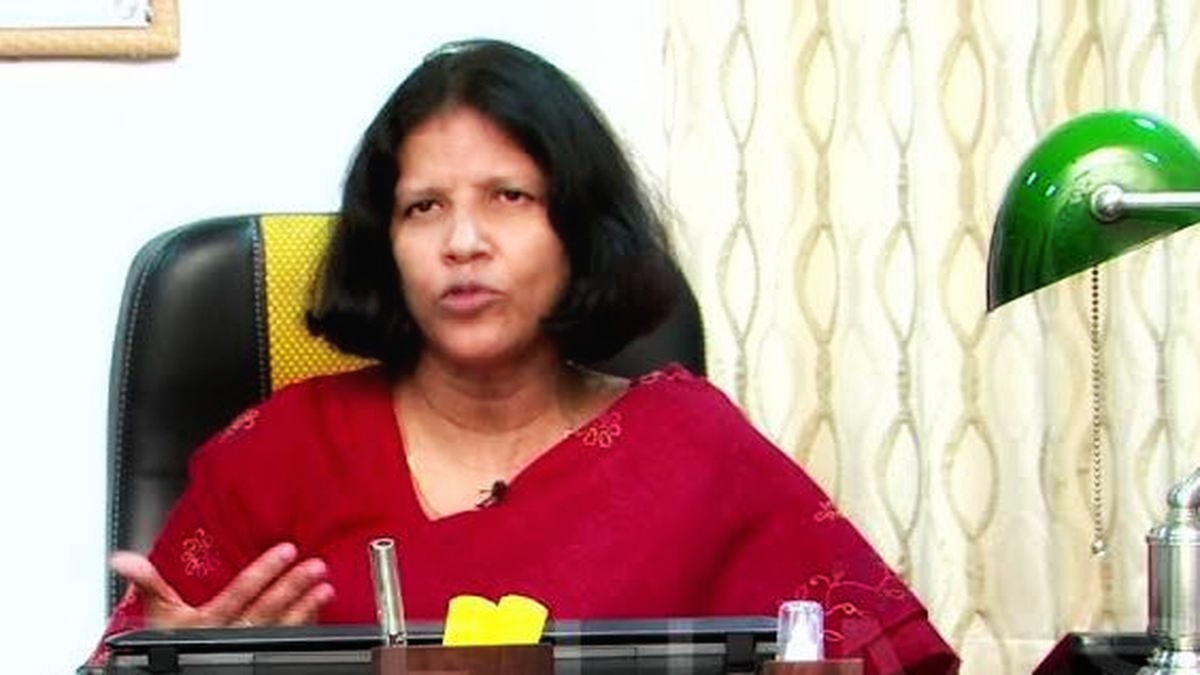
Aligarh Muslim University, founded by Sir Syed Ahmad Khan, is not only an academic institution but also a living symbol of India’s layered cultural and intellectual heritage. Combining Indo-Islamic traditions with modern educational principles, it has long stood as a space where knowledge and cultural exchange converge. Over the decades, a succession of Vice Chancellors has guided AMU through phases of growth, each leaving a distinct imprint. In April of the previous year, the appointment of Professor Naima Khatoon as the first woman Vice Chancellor in the institution’s history marked a moment of profound significance.
Since assuming office, Professor Khatoon has led AMU with a calm resolve and a clear focus on inclusive governance. She has brought a sense of renewed direction to the university, navigating complex academic and administrative challenges with measured confidence. Her emphasis has been on ensuring stability while preserving AMU’s character as a progressive and intellectually open institution. Dialogue, mutual respect, and administrative clarity have defined her style.
One of the key administrative successes under Professor Khatoon has been the reinvigoration of the recruitment process. The hiring of faculty and staff has been carried out with a new efficiency, and more importantly, with fairness and transparency. This shift has revived multiple academic departments and contributed to a more vibrant intellectual environment on campus.
Recognising the importance of residential life in a student’s development, she has focused attention on improving hostel conditions. Measures have been taken to address illegal encroachments, reorganise facilities, and ensure student safety. These changes have resulted in a more orderly and secure campus, conducive to both learning and community life.
Professor Khatoon has also worked to deepen the university’s ties with its alumni, building connections across geographies and generations. This global network has become a channel for intellectual exchange, mentorship, and funding, offering students greater access to international opportunities. The engagement has expanded AMU’s support structure and widened its visibility on the global academic stage.
Academic and administrative reforms across several departments reflect Professor Khatoon’s determination to modernise the university’s structures. Curricula are being updated, teaching standards enhanced, and interdisciplinary cooperation encouraged. These measures are shaping AMU into a more agile institution, responsive to global trends and the shifting demands of higher education.
Professor Khatoon secured government approval for thirty-five new teaching positions across various disciplines. This sanction from the Ministry of Education marks the first such approval since 2012 and represents a crucial investment in faculty development and academic growth. It stands as a milestone in AMU’s expansion under her leadership.
Aligarh Muslim University has strengthened its international standing by securing the fifth position among Indian higher education institutions in the recently released U.S. News Global Rankings 2025. This recognition marks a significant development in the university’s global profile and reflects its sustained academic efforts.
In acknowledgement of her administrative skill and academic vision, Professor Naima Khatoon was invited to chair a key academic panel at the Central Universities Vice Chancellors’ National Conference, held in Kevadia, Gujarat. The conference was convened by the Ministry of Education, Government of India, and brought together senior figures from across the country’s university system.
Her leadership has played a decisive role in these achievements. The outcomes have been viewed as strategic gains that advance AMU’s position within India’s academic framework. These developments also reaffirm the institution’s continued commitment to academic rigour and institutional growth.
Professor Khatoon has also directed attention towards forging academic links with foreign universities. Through these efforts, she seeks to facilitate student exchanges, enable joint research projects, and increase the international exposure of both faculty and students. The intention is to integrate AMU more actively within global academic networks and prepare students for wider professional contexts.
In a relatively short span, her administration has introduced a series of changes that have contributed to a sense of institutional renewal. Her approach has remained rooted in the values that define AMU’s legacy while responding effectively to the demands of contemporary higher education. Areas such as faculty recruitment, academic infrastructure, institutional visibility, and global rankings have witnessed marked progress.
Her leadership embodies more than structural reform. It reflects a consistent commitment to educational excellence, social responsibility, and institutional cohesion. In a global environment where higher education is undergoing significant transformation, Professor Khatoon has positioned AMU as a university capable of adapting to change without compromising its foundational ethos.
Her work stands as evidence of a disciplined, thoughtful, and future-oriented leadership style. It is through this lens that her contribution to Indian academia may be read: not as a momentary shift, but as part of a broader institutional transformation.
(The writer is currently associated with a multinational company and serves on the editorial board as the Associate Editor of the multi-lingual journal Naqeebul Hind. Views are personal.)