SRINAGAR: As snowfall blankets the Kashmir region, the Doctors Association Kashmir (DAK) has issued a detailed health advisory urging the public to adopt essential precautions to navigate the winter season safely. The advisory outlines a comprehensive set of measures to minimise health risks and ensure community well-being amidst severe weather conditions.
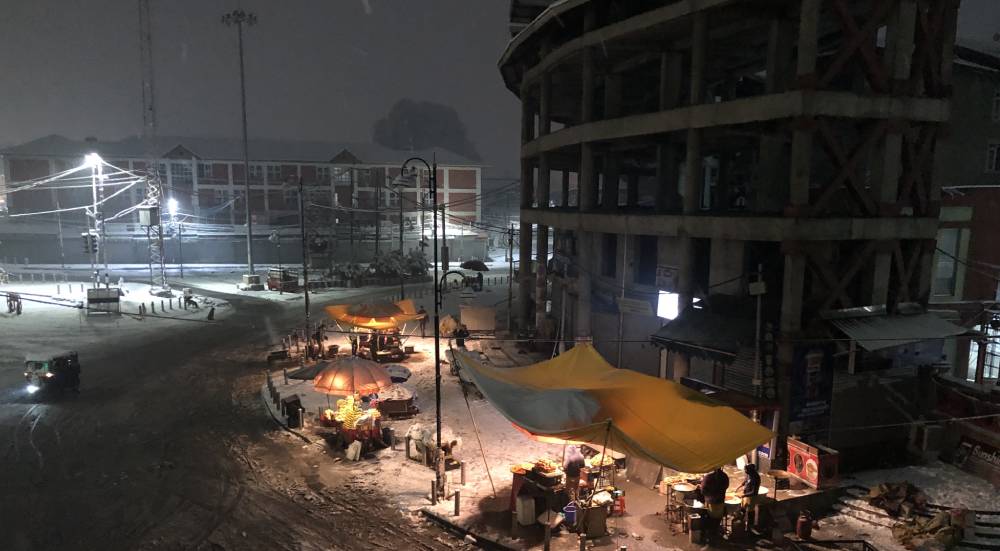
DAK president MY Tak emphasised the heightened risk of cardiac emergencies during strenuous activities in cold weather, particularly for individuals with pre-existing heart conditions. He strongly advised against heavy snow shovelling, a common task during winter, as overexertion in such conditions could prove life-threatening. Instead, people are encouraged to use appropriate tools, take frequent breaks, and seek assistance when necessary. Besides, extra care is advised when walking on icy or snow-covered surfaces to avoid slips and falls that could result in fractures or other injuries. Wearing footwear with a strong grip and adopting deliberate, small steps can significantly reduce the likelihood of accidents.
The advisory also highlighted the need for caution on roads. Drivers are urged to ensure their vehicles are equipped for winter conditions, maintain safe distances, and drive cautiously to prevent accidents. Avoiding unnecessary travel during heavy snowfall or icy weather is strongly recommended.
To protect against the dangers of hypothermia and frostbite, DAK suggests dressing warmly in layers and limiting outdoor exposure, particularly for children and the elderly. Proper home heating is critical, and individuals are advised to avoid prolonged stays outdoors during extreme weather. People with chronic illnesses, such as asthma, chronic obstructive pulmonary disease (COPD), or heart conditions, are especially vulnerable and should minimise cold exposure, adhere to prescribed treatment plans, and keep medications accessible.
Dr Owvass H Dar, General Secretary of DAK, drew attention to the surge in hospital cases during winters, often caused by preventable incidents. “Every year, we see an increase in fractures, head injuries, and heart-related emergencies resulting from snow-clearing activities and falls on icy surfaces,” he noted. “Simple steps like wearing proper footwear and avoiding overexertion can make a significant difference.”
The advisory also addresses the rising prevalence of winter respiratory illnesses, which are particularly concerning for children and the elderly. Dr Masood Rashid, President of the Society for Chest Diseases and a senior executive member of DAK, warned of the effects of cold air on respiratory health, noting that conditions such as asthma and bronchitis could worsen in these circumstances. He stressed the importance of warm clothing, avoiding unnecessary exposure to cold air, and receiving vaccinations against seasonal flu and other respiratory infections.
Dr Rubeena Bhat, Spokesperson for DAK, highlighted the broader challenges posed by heavy snowfall. “It is imperative to stay indoors as much as possible during such weather, keep homes warm, and ensure emergency supplies are available,” she said. She urged residents to avoid driving unless absolutely necessary and to assist vulnerable individuals in their communities.
The DAK also recommended measures to strengthen immunity, including a diet rich in vitamins, particularly for children and the elderly. To prepare for potential emergencies, households are encouraged to maintain a well-stocked first-aid kit, emergency supplies, and essential contacts. Keeping mobile phones charged and vehicles fuelled is advised as a precautionary measure.