by Irfan Qayoom Shah
Islam, in its divine wisdom, encourages early marriage, recognising the inherent human need for companionship and emotional security.
Life, in its purest essence, is a fleeting journey—a test of trust, simplicity, and connection. As social beings, we are meant to bond, love, and support one another. Yet somewhere along the way, we have lost touch with this fundamental truth. Our days have become cluttered with overthinking, materialism, and fear as if life were something to conquer rather than surrender to. We resist its natural flow, ensnared by the weight of societal expectations and the rigid milestones that dictate our progress.
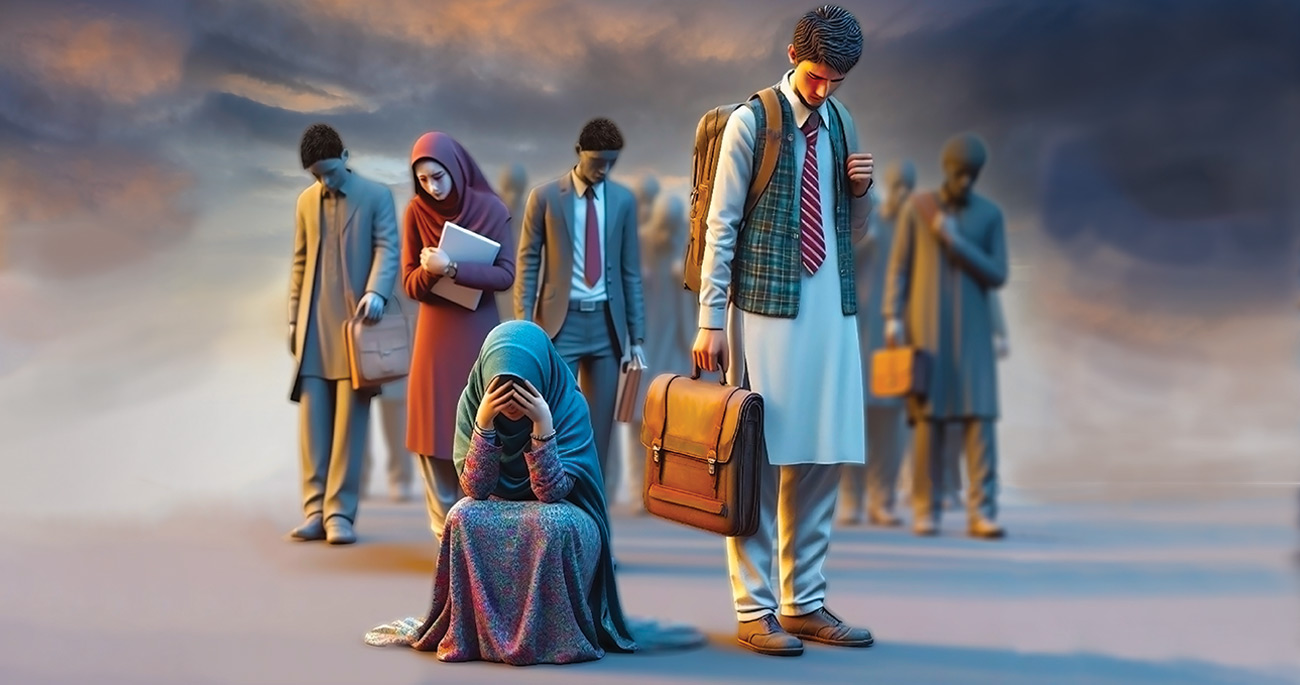
From childhood, we are conditioned to follow a predefined path—education, career, and the pursuit of tangible success. This structure, encompassing every dimension of our existence, from personal and emotional to professional and spiritual growth, traps generations in an endless cycle of striving. What once marked a celebrated phase of life has morphed into an arduous challenge, dictated by unrealistic standards. Many hesitate, believing they must first perfect their careers, secure property, and amass wealth before daring to pursue meaningful companionship. In this delay, the grace of life is lost—the joy of shared growth, the simplicity of living in the present. And if life were to end unexpectedly before these achievements materialised, all these deferred dreams would dissolve into nothingness, a poignant reminder that time is the one resource we cannot reclaim.
We have built a society that complicates the very bonds we should cherish. By imposing conditions on relationships that should unfold naturally, we obscure the authenticity of genuine connection. In our relentless drive to achieve, to be independent, and to excel, we transform the pure desire for companionship into an arduous pursuit, fraught with fear and hesitation. What should be a simple, honest journey becomes a labyrinth of unmet expectations, where opportunities for love and fulfilment diminish, leaving behind silent pleas—echoes of a mournful cry for mercy from a world that has made life unbearably complex.
Our fixation on material success reduces meaningful relationships to transactions, measured by bank balances and social prestige. Lavish weddings and extravagant dowries turn natural unions into elaborate affairs, placing insurmountable burdens on those who only seek companionship. In our pursuit of perfection, we postpone the very act of living, forgetting that each moment is fleeting, each problem temporary. The shattered hopes that follow leave us vulnerable, driving many toward destructive escapes such as substance abuse—a troubling reality that fuels the drug menace in Kashmir. In these moments of despair, we are all complicit, each of us contributing to the complex environment that fosters such outcomes.
Islam, in its divine wisdom, encourages early marriage, recognising the inherent human need for companionship and emotional security. It teaches Tawakkul—total reliance on Allah, The Razak (The Provider)—and instils the principles of Etiqaad, a firm conviction in the divine plan, and Itimaad, complete trust in Allah’s provisions. Yet without proper guidance on love, loss, and healing, young people are left vulnerable to heartbreak and its destructive aftermath. Too often, we behave as if our destiny hinges solely on our efforts. When a young man hesitates to pursue love out of fear, or a young woman silences her heart’s call, waiting for an elusive perfect moment, faith wavers. If we truly trust that The Provider has already written our Rizq, why drown in doubt? This anxiety reveals a crisis of faith—a crisis born not from the absence of divine will but from overcomplicating life with fragile, human plans.
The consequences of these societal choices are far-reaching. Late fulfilment, loneliness, and rising mental health struggles intertwine with the burden of unmet expectations. A man, shamed for being unmarried at thirty-five, seeks escape from unhealthy distractions, while a woman, labelled “too old” by arbitrary standards, battles silent depression, wondering where time has gone. It is time to reassess our priorities, to simplify our lives before more dreams vanish into the void of unfulfilled aspirations. We have all contributed to this intricate maze, and only by dismantling these barriers can we rediscover the simple, enduring truth of what it means to truly live. In the end, we are not here to conquer life, only to embrace it.
Trust must return—the trust in the natural flow of life, in faith, and ourselves. Life is full of problems, but none are permanent. And so, we must live, not burdened by artificial constraints, but with the quiet knowledge that life itself is fleeting.
(The author is a PhD scholar at the University of Kashmir, Hazratbal, Srinagar. Ideas are personal.)