by Vijay Garg
Fusarium graminearum, a toxic crop fungus, threatens global food security and human health, with cases in India and the US, prompting urgent calls for biosecurity, surveillance, and international cooperation.
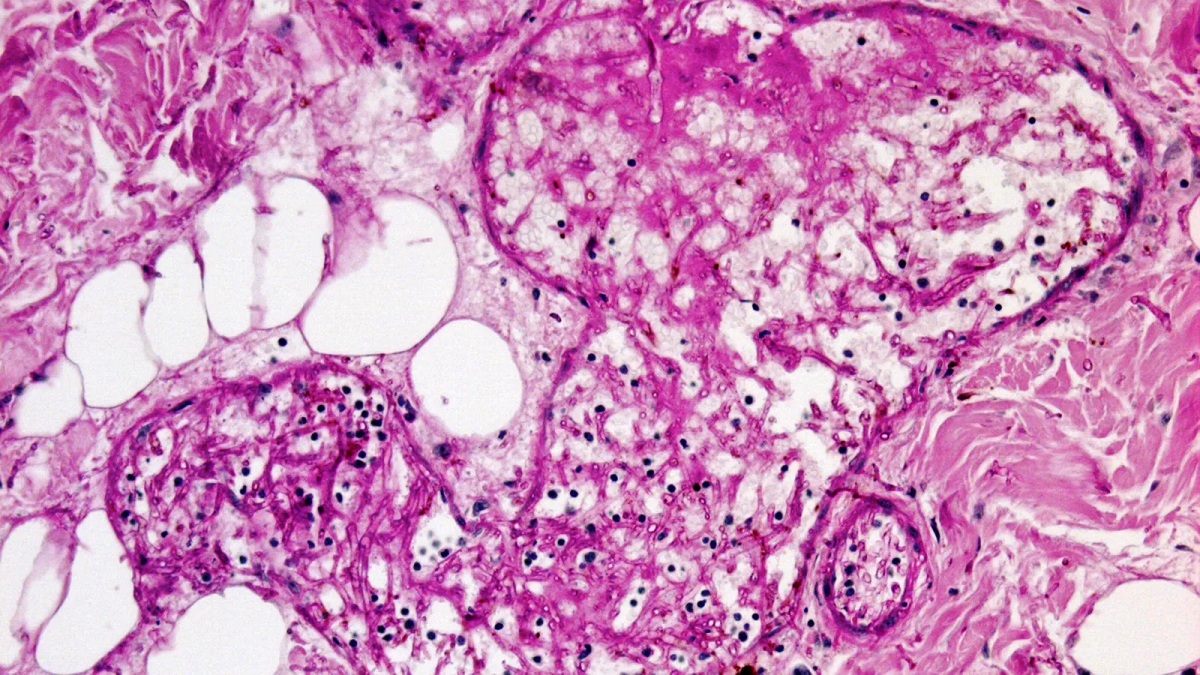
Fungus is not only an enemy of crops, but it also poses a danger to human life. According to a leading science journal, fungi can be used as a biological weapon under the umbrella of agricultural terrorism. One such deadly pathogen is Fusarium graminearum, a fungus that affects the growth of major grains such as wheat, paddy, maize, and barley, drastically reducing their yield.
This fungus spreads through infected plant residues and survives in the stem and grain tissues of small cereal plants. It produces harmful mycotoxins, including vomitoxin, that contaminate food supplies. These toxins pose health risks to both humans and livestock and are difficult to detect early. Diseases associated with this fungus include head blight, root rot, and seedling blight—conditions that can lead to crop failure and economic losses amounting to billions of dollars globally each year.
In a high-profile case, the US Federal Bureau of Investigation (FBI) arrested Chinese research scientist Yunking Jiang at the University of Michigan for smuggling Fusarium graminearum into the United States. The fungus had been brought in through Jiang’s girlfriend, Liu, who had previously worked in the university’s lab and was then based at a university in China. The FBI uncovered this operation at Detroit Airport in July, after a suspicious red plant substance was found in Liu’s bag. She had claimed it was for research, but investigators feared its potential use in bioterrorism.
The FBI Director later described the case as part of a broader pattern of infiltration by China into US institutions to undermine food security. The unauthorised import of aggressive or pesticide-resistant fungal strains threatens to bypass traditional control measures, making such pathogens even more dangerous.
Fusarium graminearum has also been detected in India. The U.S. National Library of Medicine reported symptoms of head blight in North Indian wheat fields as recently as 2022. Though the outbreaks were brought under control, scientists attribute their resurgence to changing climatic conditions. A comprehensive disease survey conducted in Himachal Pradesh and Tamil Nadu by ICAR in 2021 confirmed the presence of this fungus. Similarly, a 2021–22 Rabi season survey by Karnataka Agricultural University reported a rise in head blight cases.
These incidents suggest that agricultural biosecurity is now a critical concern. The US incident involving the smuggling of Fusarium graminearum has raised global alarms about the potential of soil, seeds, and crops being weaponised for terrorism. This fungus, when introduced into a food supply chain, can silently wreak havoc by causing illness and death in both humans and animals. Its spores are microscopic and can spread through air, water, soil, and seed, making detection and containment extremely difficult.
In humans, exposure to contaminated food, such as bread, grain, pasta, or beer, or inhalation of grain dust can lead to gastrointestinal issues, immune suppression, hormonal imbalance, reproductive distress, and skin irritation. Infants, children, and people with weakened immune systems are especially vulnerable. Animal growth and health are also severely affected by these toxins.
The use of biological agents to destroy crops is now recognised as a form of agro-terrorism—intended not just to destroy a nation’s agricultural economy, but also to incite fear and social instability. In India, where agriculture contributes more than 17 per cent to the GDP and supports more than half the population, the risks are particularly severe. States like Punjab, Rajasthan, and Himachal Pradesh, which share borders with China and Pakistan, are especially vulnerable.

In 2016, two districts in West Bengal suffered outbreaks due to another toxic fungus, Magnaporthe oryzae pathotype triticum, allegedly sent from Bangladesh. This fungus, like Fusarium, can enter the human body through food, air, or skin contact and cause serious health issues.
India is actively conducting research into disease-resistant crop varieties through the Indian Council of Agricultural Research and various agricultural universities. However, scientists stress that this alone is not enough. There is an urgent need for stringent biosecurity measures, international cooperation with specialised laboratories, robust weather forecasting systems, and a national fungal monitoring mechanism. Only then can the spread and impact of such biological threats be mitigated to any meaningful extent.
(The author is Punjab Punjab-based retired Principal and Educational Columnist. Ideas are personal.)