SRINAGAR: The United States-Iran war has deepened into its second month with intensifying strikes across the Middle East, mounting battlefield losses and rising global concern, even as diplomatic efforts attempt to prevent a wider escalation.
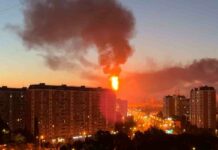
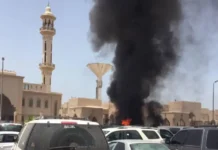
Iran has continued its retaliation against US and Israeli strikes launched on February 28, expanding the conflict beyond direct exchanges with Israel to target American military infrastructure across the Gulf. Reports cited by Al Jazeera indicate that Iranian missile and drone attacks have struck US-linked bases in Saudi Arabia, the United Arab Emirates, Bahrain, Jordan and Kuwait, damaging key defence systems.
A major reported strike on Saudi Arabia’s Prince Sultan Air Base underscored the scale of the escalation, with missiles and drones allegedly hitting high-value assets, including refuelling aircraft and an E-3 Sentry Airborne Warning and Control System (AWACS), a critical platform for surveillance and battlefield coordination. At least 15 US personnel were reported wounded in the attack, several seriously, though there has been no official confirmation from Washington or Riyadh.
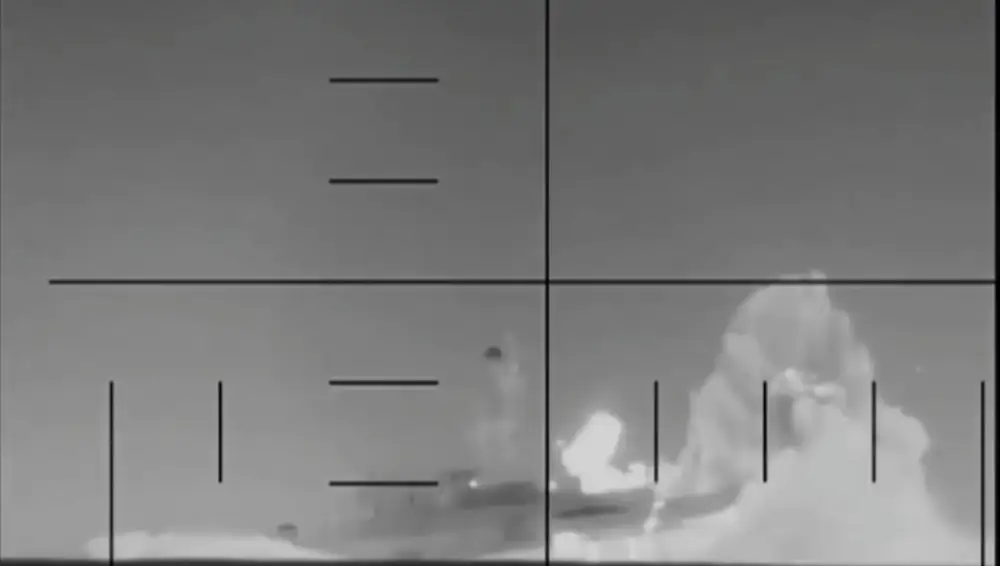
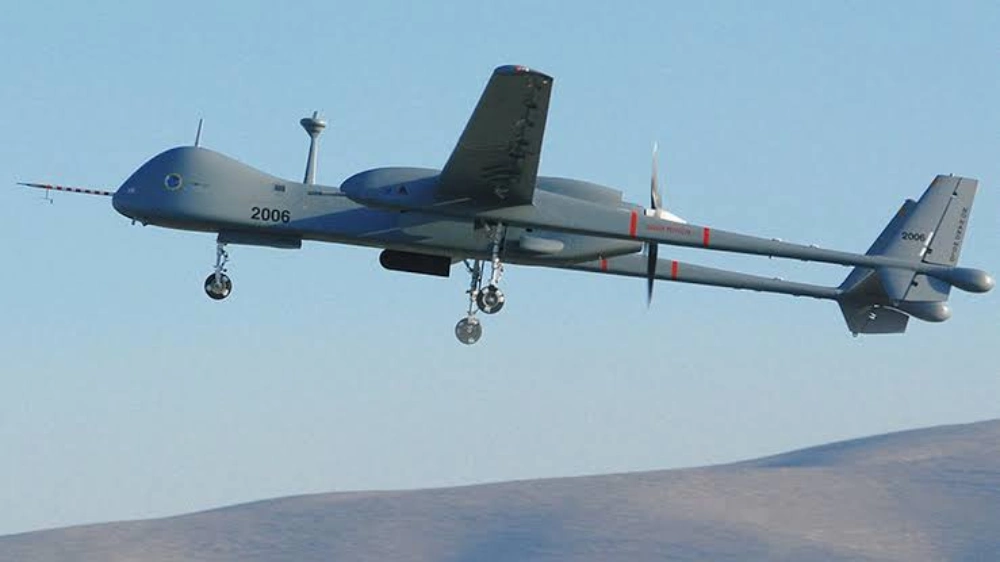
Beyond individual incidents, the cumulative impact on US forces has been significant. Since the war began, at least 13 American service members have been killed and around 200 wounded, while multiple high-value military assets have been damaged or destroyed. These include a dozen MQ-9 Reaper drones, several KC-135 aerial refuelling aircraft and reported damage to an AWACS platform, alongside losses from a friendly fire incident that destroyed three fighter jets. Strikes have also affected radar installations and a THAAD missile defence system, contributing to an estimated $800 million in damage to US military infrastructure across the region. Analysts cited in the reports say such losses, particularly to surveillance and refuelling capabilities, could temporarily disrupt US air operations by creating gaps in battlefield awareness.
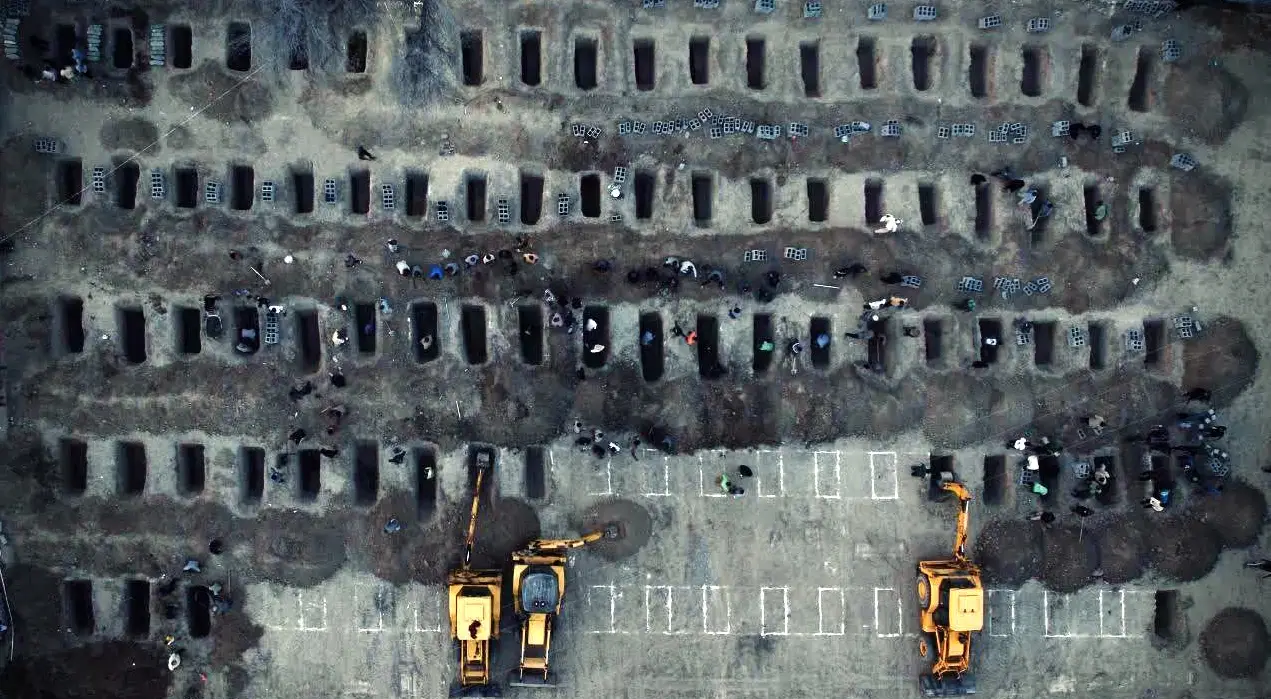
On the Iranian side, the human cost has been far higher. According to local health authorities cited in the reports, at least 1,900 people have been killed and more than 18,000 injured since the conflict began, reflecting the intensity of sustained air strikes on Iranian territory.
Iran’s leadership has adopted an uncompromising stance. Parliament Speaker Mohammad Baqer Qalibaf, quoted by India Today, said Tehran would not surrender and insisted the war “will not end without victory,” accusing the United States of speaking about negotiations while preparing further military action. Iranian officials have also warned of severe retaliation if US ground forces are deployed.
The conflict has already triggered major economic repercussions. Iran’s actions have effectively halted shipping through the Strait of Hormuz, a vital artery for roughly 20 percent of global oil and gas, pushing crude prices above $100 per barrel and raising concerns about global energy security.

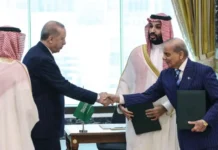
At the same time, diplomatic activity has intensified. Reuters reported that Pakistan hosted talks with Turkey, Saudi Arabia and Egypt aimed at finding a pathway to de-escalation, including proposals to reopen the Strait of Hormuz and stabilise maritime trade. Pakistan has emerged as a key intermediary, maintaining communication channels with both Tehran and Washington.
Public opposition to the war has also grown. According to AP and Reuters, millions of people participated in “No Kings” protests across the United States and in cities across Europe, criticising President Donald Trump’s policies and the ongoing conflict. Demonstrations were held in all 50 US states, with organisers projecting participation of up to nine million people.
Despite the diplomatic push and rising protests, military operations continue unabated. Israel has carried out fresh strikes on targets in Tehran, while Iran has launched missile salvos towards Israeli territory, sending civilians into shelters and causing damage in parts of the country.
With regional actors increasingly drawn in, including Iran-aligned groups targeting shipping routes, and with the United States weighing potential ground operations, the conflict remains volatile, with risks of further escalation and broader regional destabilisation.