Recurring harassment of Kashmiri traders and migrants in the plains is fuelling fear, insecurity and deepening alienation despite police action.
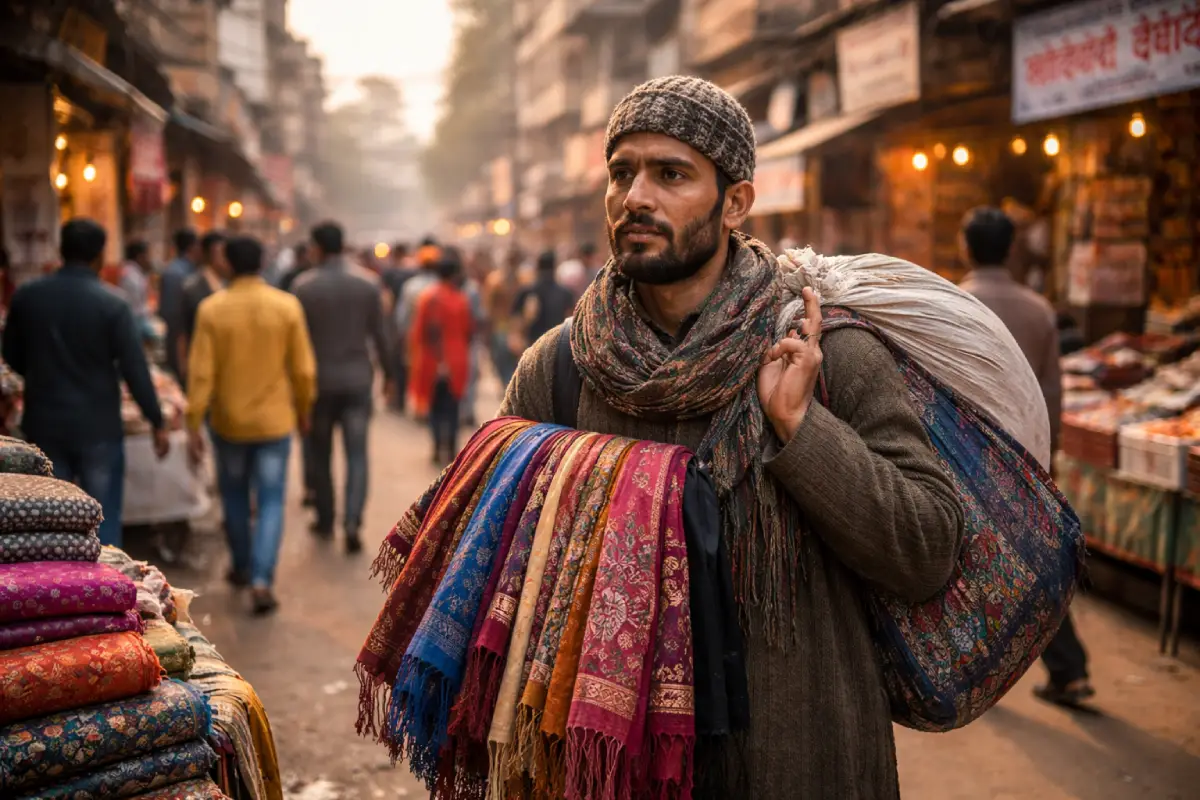
Every winter, tens of thousands of people from Kashmir step out of the Valley and disperse across the plains of India in search of work, education, training and survival. Men and women travel as students, labourers, artisans and small traders, carrying with them not just merchandise but the weight of an economy that offers few alternatives at home. Among them are the phairiwals, itinerant shawl and handicraft sellers who knock on doors across cities and villages, sustaining a centuries-old tradition of trade. Yet, year after year, one reality follows them with disturbing consistency: harassment.
Winter migration from Kashmir is driven by necessity. Harsh weather shuts down economic activity, and limited local employment forces people to seek livelihoods elsewhere. For shawl sellers, the plains are not a choice but a compulsion. However, what should be a routine economic activity has increasingly turned into an ordeal marked by suspicion, intimidation and violence.
The recent assault on Abdul Ahad Khan, a shawl seller from Kupwara, in Himachal Pradesh’s Bilaspur district, is emblematic. Allegedly attacked by masked men and robbed of goods worth Rs 20,000, his case is now under police investigation. Videos circulating from the area show other Kashmiri sellers alleging repeated harassment and threats despite possessing valid documents and long years of work in the region. Political leaders and civil society groups have condemned the incident, describing it as part of a larger pattern of hate-driven targeting.
The data is deeply unsettling. At least 17–18 incidents of harassment and assault against Kashmiri shawl sellers have been reported in Himachal Pradesh alone this year, with similar cases emerging from Uttarakhand and Haryana. These include physical attacks, destruction of goods, coercion and intimidation. In parallel, students and labourers from Kashmir have reported profiling and harassment, suggesting that these are not isolated law-and-order issues but a growing social malaise.
Even those at the margins are not spared. The recent detention of two men from Poonch in Uttar Pradesh, solely based on villagers’ suspicion about their language and conduct, underscores how quickly Kashmiri identity itself is being framed as questionable. While police investigations may follow procedure and no incriminating material has emerged, the damage is already done; suspicion precedes facts.
Each such incident triggers strong reactions from Kashmir’s political leadership, statements are issued, and police action follows in individual cases. Yet, the recurrence of these episodes is creating deep anxiety and resentment in Kashmir. The feeling that Kashmiris are unsafe outside their home region is no longer confined to isolated voices; it is becoming a shared fear.
This is not merely about trade or migration. It is about citizenship, dignity and the right to earn a livelihood without fear. If left unaddressed, continued harassment of Kashmiri traders and workers risks widening social divides and undermining trust. Protection cannot be episodic or symbolic. It must be systemic, visible and unequivocal, ensuring that those who leave Kashmir in search of survival do not return carrying stories of humiliation and fear.