SRINAGAR: The Government on Wednesday said fuel supplies remain stable and maritime operations are functioning normally despite disruptions in West Asia following the closure of the Strait of Hormuz, even as coordinated efforts continue to ensure the safety of Indian nationals in the region.

At a joint media briefing at the National Media Centre, senior officials from the Ministries of Petroleum and Natural Gas, Ports, Shipping and Waterways, and External Affairs outlined a series of measures aimed at maintaining energy security, safeguarding shipping operations, and assisting Indian citizens abroad.
Officials said all domestic refineries are operating at high capacity with adequate crude inventories, ensuring sufficient availability of petrol and diesel across the country. Domestic LPG production has also been stepped up to support consumption.
Retail fuel outlets are functioning normally nationwide, though instances of panic buying were reported in some areas due to rumours. The government reiterated that adequate stocks are available and urged citizens to avoid unnecessary purchases.
While LPG supply has been affected by the prevailing geopolitical situation, no shortages have been reported at distributorships and deliveries are continuing as scheduled.
To ease pressure, the government has progressively increased allocation of commercial LPG to 50 per cent, prioritising essential sectors such as restaurants, community kitchens and industrial canteens. Over 22,000 metric tonnes of commercial LPG has been supplied since March 14.
An additional 48,000 kilolitres of kerosene have also been allocated to states and Union Territories to supplement fuel availability.
The government has prioritised natural gas supply, ensuring 100 per cent allocation for domestic PNG and CNG transport, while maintaining around 80 per cent supply for industrial and commercial users.
City Gas Distribution companies including Indraprastha Gas Limited, Mahanagar Gas Limited, GAIL (India) Limited and Bharat Petroleum Corporation Limited have been directed to prioritise PNG connections, especially for institutions such as schools, hostels and community kitchens.
A new regulatory framework notified under the Essential Commodities Act is expected to accelerate pipeline expansion and improve last-mile connectivity, strengthening India’s transition towards a gas-based economy.
States have been directed to take strict action against hoarding and black marketing under the Essential Commodities Act. Enforcement agencies have conducted over 2,700 raids, seized around 2,000 LPG cylinders, registered more than 650 FIRs, and arrested 155 individuals so far.
Oil Marketing Companies have also carried out over 1,700 surprise inspections at fuel stations and LPG distributorships.
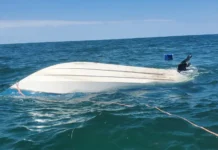
Providing an update on maritime operations, officials said no incidents involving Indian-flagged vessels have been reported in the past 24 hours.
Around 20 Indian-flagged ships with nearly 540 Indian seafarers remain in the western Persian Gulf region, with authorities maintaining continuous monitoring. More than 635 Indian seafarers have been repatriated so far.
Ports across the country are operating without congestion, with additional capacity created at major facilities including Jawaharlal Nehru Port Authority, Visakhapatnam Port and Cochin Port Authority to ensure smooth cargo handling.
Prime Minister Narendra Modi held discussions with US President Donald Trump and Sri Lankan President Anura Kumara Dissanayake, emphasising the need for de-escalation and ensuring the continued security of key shipping routes.
India has also engaged with Iran, with External Affairs Minister Subrahmanyam Jaishankar meeting the Iranian Ambassador and acknowledging support extended to Indian nationals.
The Ministry of External Affairs said over 4.26 lakh passengers have returned to India from the region since February 28 through more than 2,100 flights. Evacuation efforts continue through alternative routes, including via Armenia, Azerbaijan and Jordan, due to partial or complete airspace closures in parts of the Gulf.
The government urged citizens to rely only on official information, avoid panic buying, and conserve fuel. People have also been encouraged to adopt alternatives such as PNG and electric cooking options where feasible.
Authorities said all efforts are being made to ensure an uninterrupted supply of essential fuels and maintain stability across sectors amid the evolving situation in West Asia.