SRINAGAR: The International Maritime Organisation (IMO) has called for urgent, coordinated international action to address the escalating crisis in the Strait of Hormuz, where around 20,000 seafarers remain stranded amid ongoing hostilities and disruptions to global shipping.
IMO Secretary-General Arsenio Dominguez warned that “fragmented responses are no longer sufficient,” urging countries to prioritise diplomatic engagement and practical maritime solutions over military approaches.
The remarks came during a virtual meeting of foreign ministers from more than 40 countries, hosted by the United Kingdom’s Foreign, Commonwealth and Development Office, to review the deteriorating security situation in one of the world’s most critical energy and trade corridors. The meeting took place last week before Iran and the US announced a fortnight-long ceasefire.
According to the IMO, since the outbreak of the conflict on February 28, 2026, at least 21 attacks on commercial vessels have been confirmed, resulting in the deaths of 10 seafarers and multiple injuries. Thousands of crew members remain aboard ships in the Persian Gulf under increasingly difficult conditions, facing shortages of supplies, fatigue and psychological stress.
Dominguez emphasised the need to safeguard freedom of navigation and ensure the well-being of seafarers, calling for the establishment of humanitarian corridors and a structured evacuation mechanism. “What is urgently required is diplomatic engagement, practical and neutral solutions, and coordinated international action,” he said.
The IMO is currently advancing a maritime evacuation framework that relies on cooperation among coastal states, security assurances, and coordinated operational planning. The initiative aims to facilitate safe crew rotations, release stranded vessels and prevent potential environmental risks arising from prolonged maritime disruptions.
Following an extraordinary session of the IMO Council held in March, the organisation has intensified efforts on multiple fronts, including negotiations with regional states to ensure safe passage for vessels and crews, and coordination with governments willing to maintain supply lines and provide humanitarian access.
The IMO has also established an online information hub to verify data on ship attacks, provide guidance to industry stakeholders and offer support resources for affected seafarers.
In parallel, the agency is working closely with leading maritime and shipping organisations, including the International Chamber of Shipping and other industry groups, to streamline communication and response strategies.
The crisis has also prompted the formation of a dedicated United Nations task force focused on the Strait of Hormuz. The body, led by Jorge Moreira da Silva of the United Nations Office for Project Services, brings together agencies such as the United Nations Conference on Trade and Development and the International Chamber of Commerce to develop technical and humanitarian solutions.
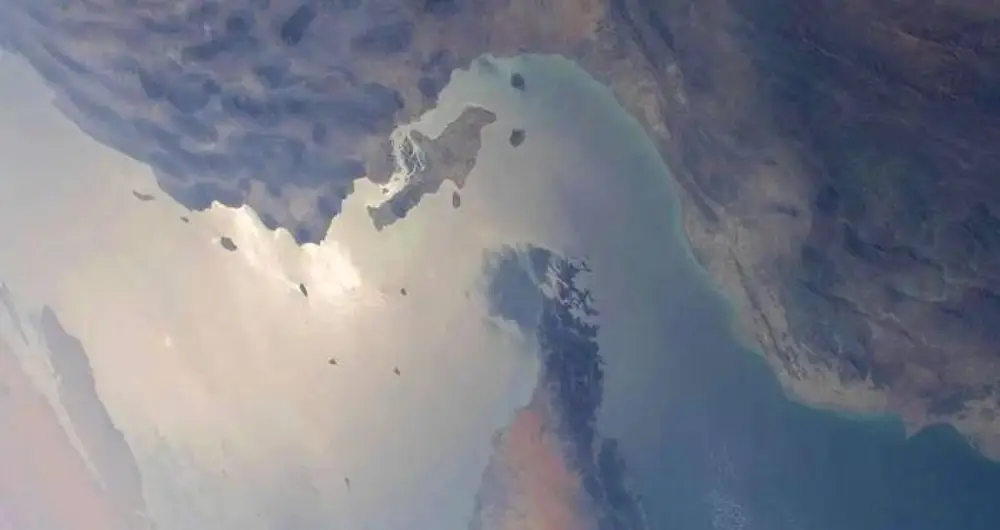
The Strait of Hormuz handles a significant share of global oil shipments, making the ongoing disruption a matter of international economic concern. The IMO warned that failure to act swiftly could deepen both humanitarian and environmental risks in the region.