SRINAGAR: A Lahore-based travel agency run by a Pakistani businesswoman has been exposed as the nerve centre of a covert espionage network, aimed at recruiting Indian citizens, especially social media influencers, as sleeper agents for Pakistan’s Inter-Services Intelligence (ISI).
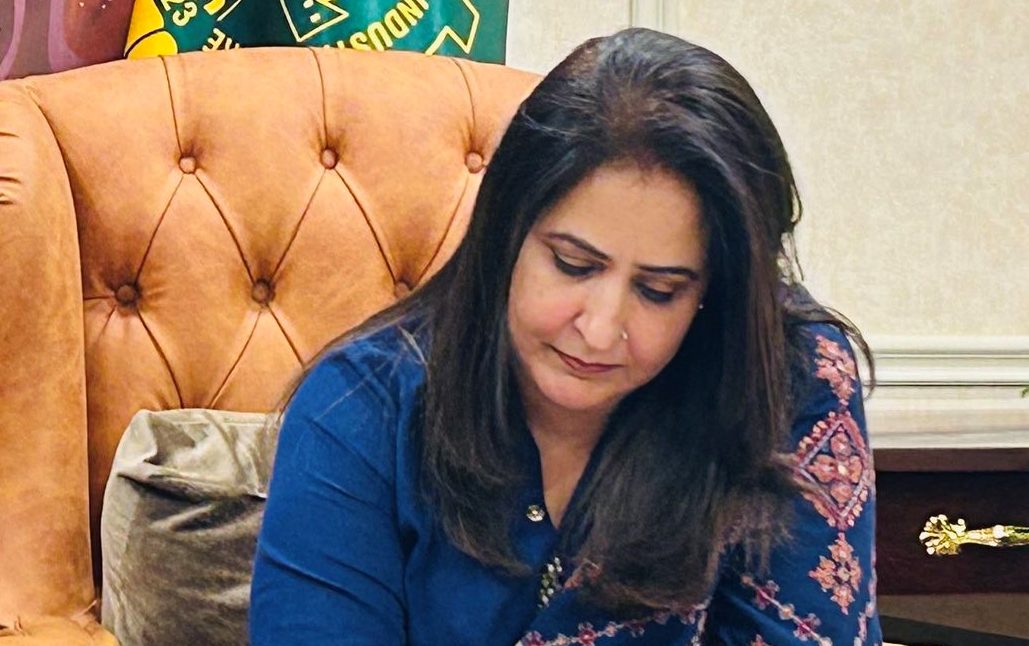
At the heart of the network is Noshaba Shehzad, the owner of Jaiyana Travel and Tourism, operating out of Lahore. Sources within Indian intelligence have confirmed to NDTV that Shehzad, known by her codename ‘Madam N’, has been working directly under the instructions of the ISI and the Pakistani Army to lay the foundation of a massive sleeper cell network across India, designed to remain hidden in plain sight.
What began as a cultural outreach programme to facilitate cross-border visits for Hindus and Sikhs wishing to revisit their ancestral homes has now been unmasked as a Trojan horse for espionage, cleverly disguised as spiritual tourism and digital collaboration.
Shehzad gained prominence for helping Indian pilgrims, many of them elderly Hindus and Sikhs, secure visas to visit Pakistan’s religious sites. With exclusive ties to the Evacuee Trust Property Board, her agency became the only conduit for religious travel between India and Pakistan, a sector otherwise constrained by strict visa regulations and no formal tourism framework.
According to officials familiar with ongoing investigations, over 3,000 Indian citizens and 1,500 NRIs have been sent to Pakistan through her network over the past six months, many of them social media influencers, digital entrepreneurs, and youth leaders with growing online reach.
The influencers were lured with promises of luxury stays, curated cultural programmes, and digital content collaborations, only to be introduced discreetly to ISI handlers during their stay. Among those already arrested in India is Jyoti Malhotra, who is believed to have made four trips to Pakistan and even travelled with ISI officer Danish alias Ehsan-ur-Rehman to Bali.
According to interrogations, it was Shehzad who facilitated Malhotra’s access to the Pakistani establishment and helped her secure a visa with just a phone call, a privilege that, sources say, extended to many others as well.
The revelations become more alarming when considering Shehzad’s influence in New Delhi. She reportedly maintained direct lines of communication with senior staff at the Pakistani High Commission, including First Secretary (Visa) Suhail Qamar and Counsellor (Trade) Umar Sheryar. Her contacts ensured that visas could be issued instantly, bypassing scrutiny—a major breach in diplomatic norms and national security procedures.
A key figure in her operation was Danish, an ISI operative working under diplomatic cover as a visa officer. He was expelled from India in May following the unravelling of this spy ring.
Perhaps the most chilling detail emerging from this investigation is that Shehzad was tasked with cultivating at least 500 sleeper agents across India, ordinary citizens, many of them unsuspecting at first, trained to blend in and feed intelligence back to handlers.
Security agencies now believe that Shehzad’s strategy of embedding operatives within India’s booming influencer culture gave Pakistan access to a digitally networked, geographically dispersed, and demographically diverse intelligence infrastructure.
Beyond espionage, Shehzad also used her travel agency to charge Indian pilgrims and influencers exorbitant fees, with the funds reportedly funnelled into Pakistani propaganda campaigns and ISI-backed media projects. Recently, she has appointed agents in Delhi and other Indian cities to promote her brand online, posing yet another layer of concern for security personnel now tasked with mapping this digital minefield.
Experts say this is not just a case of one woman gone rogue but reflects a broader shift in Pakistan’s espionage strategy: moving from traditional spycraft to a hybrid model involving soft power, digital tools, and social engineering. What makes this case exceptional is the extent of state complicity, from visa facilitation to on-ground logistics coordinated with military and intelligence outfits.
As investigations continue, Indian agencies are widening their net to identify and debrief all those who travelled via Jaiyana Travel, and scrutinise financial transactions, social media footprints, and cross-border communications. “This is one of the most sophisticated infiltration attempts in recent years,” said a senior intelligence officer. “And it came disguised as a spiritual journey.”
(The news story is based on the reportage appearing in the media including NDTV that broke the news story.)