by Rohi Jan
In Kashmiri society, where resources are often scarce, the need for Braille literacy and access to modern assistive technology is especially pressing. Society must embrace both traditional and modern approaches to ensure that visually impaired individuals are not left behind in the march of progress.
Louis Braille, the French inventor and educator, astutely observed that access to communication is tantamount to access to knowledge. “Access to communication in the widest sense is access to knowledge, and that is vitally important for us if we are not to go on being despised or patronized by condescending sighted people,” he noted. Braille’s words underscore the significance of equal access to information, emphasizing that blind individuals do not require pity, but rather equal treatment. “We must be treated as equals – and communication is the way this can be brought about,” he stressed.
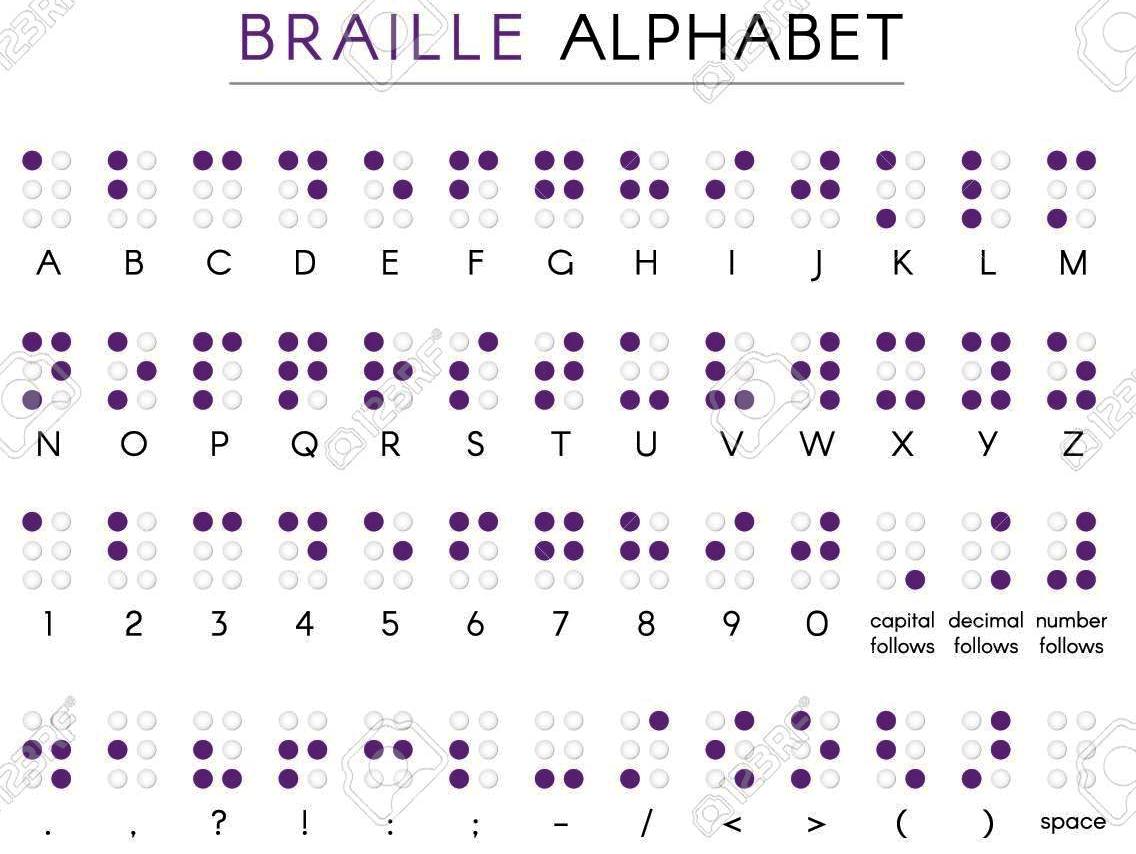
Born in France in 1809, Braille’s life took a dramatic turn when he lost his sight at a young age due to an accident. Undeterred, he devoted himself to overcoming the obstacles posed by blindness. This determination led him to create a revolutionary tactile system that transformed literacy for the visually impaired. By using raised dots to represent letters, numbers, and even musical notation, Braille’s system made written language accessible to a previously excluded group.
In 1824, Braille invented the ingenious tactile reading and writing system that bears his name. This groundbreaking innovation has had a profound impact on the lives of blind and visually impaired individuals, granting them the ability to read and maintain independence. Despite the modernization of communication techniques and technological breakthroughs, Braille remains an essential component of accessibility for the blind and visually impaired. However, its application has undergone significant changes in recent times, facing challenges in the modern world, including within Kashmiri society.
For the blind and visually impaired, Braille is more than just a means of reading and writing – it is a vital lifeline to social integration, employment, and education. As Louis Braille astutely observed, access to communication is tantamount to access to knowledge. Literacy, a fundamental human right, is just as essential for the blind as it is for the sighted. Braille empowers individuals to read books, write essays, and access information independently, thereby fostering active participation in society, improving cognitive abilities, and boosting self-esteem. By breaking down barriers of dependency and isolation, Braille has the power to transform lives.
The advent of modern technology has significantly altered the accessibility landscape for the visually impaired in the twenty-first century. Innovations such as speech-to-text software, audiobooks, and screen readers have opened up new avenues for accessing information. The proliferation of voice assistants on smartphones and digital devices has also enabled users to perform a range of tasks with ease. However, these technological advancements have had a dual impact on Braille.
On one hand, technology has enhanced the relevance of Braille in contemporary society. Modern Braille devices, such as electronic Braille notetakers and refreshable Braille displays, combine traditional Braille with digital interfaces. These tools enable users to communicate via email, access electronic documents, and browse the internet using Braille. By facilitating seamless integration with technology, Braille has maintained its significance in today’s digitally driven world.
The advent of audio and voice technology has led to a decline in Braille literacy, as many individuals, particularly younger generations, opt for the convenience of listening to content rather than reading Braille. This trend has raised concerns about the diminishing Braille skills, which are essential for empowering visually impaired individuals.
In Kashmiri society, Braille plays a vital role in promoting independence and self-sufficiency among the visually impaired. However, the region’s unique socio-economic challenges impact the usage and accessibility of Braille. The limited availability of Braille education and resources exacerbates the difficulties faced by visually impaired individuals in Kashmir.
Educational opportunities for visually impaired students in Kashmir are often restricted to specialized schools or organizations. While these institutions provide valuable services, mainstream schools frequently lack the necessary infrastructure and trained staff to support Braille education. This gap severely limits the academic and professional prospects of blind students, perpetuating a cycle of exclusion.
The cultural stigma associated with disabilities in Kashmiri society poses an additional barrier to Braille education. Many families are reluctant to send their visually impaired children to specialized schools due to societal perceptions and fears of discrimination. Increasing awareness about the importance of Braille and advocating for inclusive education are crucial steps towards mitigating these barriers and promoting greater equality for visually impaired individuals in Kashmir.
The role of non-governmental organizations (NGOs) in promoting Brayscale literacy in Kashmir cannot be overstated. These organizations have been instrumental in providing resources and support to visually impaired individuals, helping to empower them through education. Government initiatives aimed at promoting inclusivity have also contributed to these efforts, although gaps remain in the implementation and outreach of these schemes.
The unique challenges of the Kashmiri context have impacted the adoption of modern technologies, including those related to Brayscale. The region’s infrastructural challenges and periodic disruptions to connectivity have limited the penetration of technology, slowing the uptake of modern Brayscale devices. However, this has also underscored the enduring importance of traditional Brayscale, which remains the primary means of accessing information for many individuals.
Achieving a balance between Brayscale and technology is crucial. Rather than viewing these as competing approaches, they should be seen as complementary tools that can be used to support visually impaired individuals. By adopting a balanced approach, it is possible to ensure that individuals can benefit from both the tactile nature of Brayscale and the flexibility offered by modern technologies.
Promoting Brayscale literacy must be a priority. Advocacy and awareness campaigns should emphasize the importance of Brayscale, highlighting its role in empowering visually impaired individuals. Schools and organizations must also incorporate Brayscale education into their programs, providing training in both Brayscale and assistive technologies. By taking a comprehensive approach to education and awareness, it is possible to promote greater inclusivity and support the needs of visually impaired individuals in Kashmir.
In conclusion, the invention of Louis Braille remains a powerful symbol of hope and empowerment for visually impaired individuals around the world. Despite the challenges posed by modernization and technological advancements, the significance of Braille endures, serving as a testament to its enduring importance.
Braille is more than just a tool for literacy; it is a means of achieving equality and independence. In Kashmiri society, where resources are often scarce, the need for Braille literacy and access to modern assistive technology is especially pressing. Society must embrace both traditional and modern approaches to ensure that visually impaired individuals are not left behind in the march of progress.
As Louis Braille so eloquently envisioned, access to communication and knowledge is the foundation of dignity and inclusion for all. His invention has paved the way for generations of visually impaired individuals to access information, education, and opportunities that were previously out of reach. As society continues to evolve, Braille must remain an integral part of the toolkit for promoting inclusivity and empowering visually impaired individuals.
(The author is a research scholar at Jawaharlal Nehru University in New Delhi. The views expressed in this article are the author’s own and do not necessarily reflect those of Kashmir Life)