by Towseef Ahmad Mir
Escalating Iran–Israel tensions threaten global oil supply, raising crude prices, inflation, and freight costs, while exposing India’s import dependence and economic vulnerability to geopolitical disruptions.

“When the desert roars with conflict, global markets tremble and surge.”
The antagonism between Iran and Israel is based on ideological, political, and strategic differences. Israel sees Iran’s nuclear goals and regional influence as an existential threat. Iran shows strong resentment toward the policies of Israel in the region and supports antagonistic groups to combat Israel. The United States, an age-old ally of Israel, has also taken a strong stance against Iran, particularly over its nuclear programme and regional military activities.
A significant growth in conflict between Iran, Israel, and the United States has exploded, with major military strikes on Iran, which has drawn strong retaliation from Iran and its allies, destabilising the Middle East. Recent incidents, including US and Israeli strikes on Iran, resulted in the assassination of Iran’s Supreme Leader, Ayatollah Ali Khamenei, and top commanders. It forced Iran to retaliate and activated global geopolitical shockwaves.
The military action in the Gulf has restrained fuel supplies and led to the closure of refineries and oil fields across the Middle East. The heightened military activity in the Red Sea has resulted in the closure of the Strait of Hormuz, from where around 20 per cent of global crude oil is traded to other countries, which has resulted in diseconomies of scale. Due to this, a sharp rise in crude oil prices is prevailing in the markets.
This conflict, in its impact, isn’t restricted to the Middle East but has severe consequences for the global market, particularly third-world production houses. India is also facing an energy crisis due to temporary inflation in crude oil prices, and stock market volatility in oil-based commodities is also occurring in India.
Economic Impact on India
Oil price rise and inflation are the first adverse impacts on third-world countries, especially India. The inflation in the Indian market stems from the increase in global crude oil prices. With global benchmarks such as Brent crude oil prices rising significantly due to fears of supply disruption, India, one of the largest crude importers in the world, is more vulnerable.
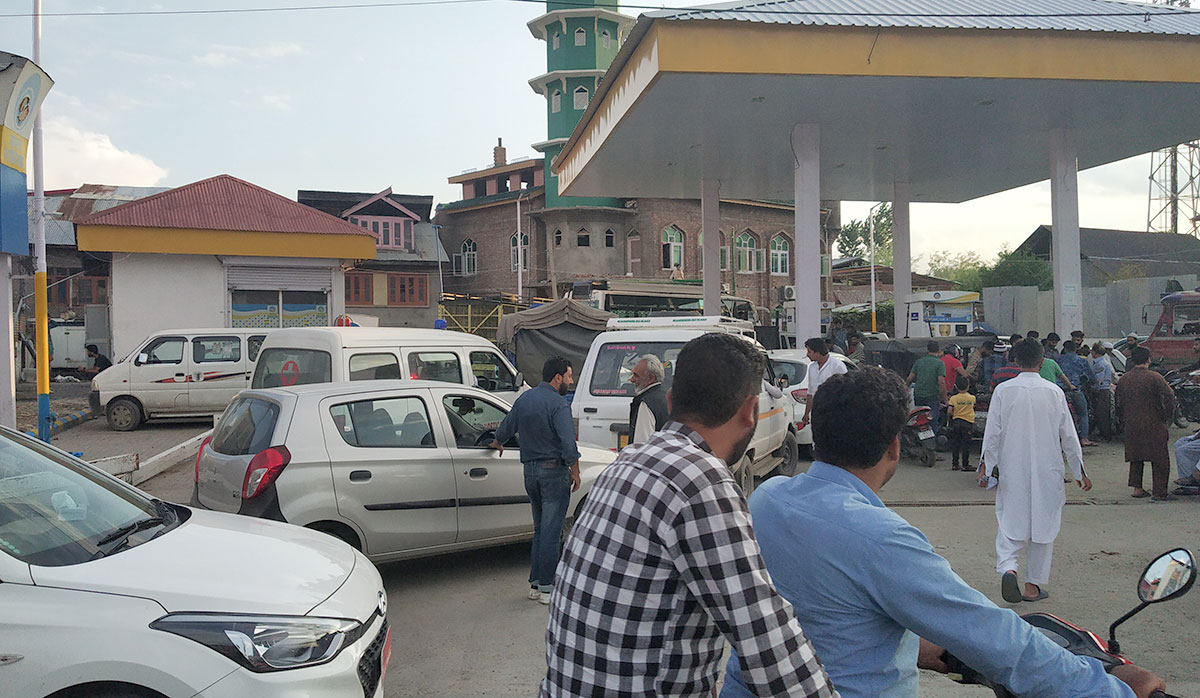
Oil prices increased by around 13 per cent, with the per-barrel price touching $80 in this quarter. An extended war could push prices above $90 per barrel or even higher if the Strait of Hormuz remains closed for a longer time. Oil is a basic input for almost every industry, like transportation and manufacturing. Higher oil prices immediately hike the prices of other goods, which leads to broader inflation and raises the cost of living for Indian households.
Why Is This Important for India?
India imports over 48 per cent of its organic chemicals, 29.1 per cent of its edible fruits, and 8.2 per cent of mineral fuels and bituminous substances from Iran. Any increase in the prices of these goods rapidly increases India’s import bill, worsening its trade deficit and putting pressure on the currency.
An increase in India’s import bill potentially increases the Current Account Deficit (CAD). A surging current account deficit generally weakens the Indian currency, widens inflationary pressure, and can lead to higher interest rates if the Reserve Bank of India (RBI) tightens policy to control inflation.
Currency depreciation also makes imports more expensive, increases inflation, and makes industrial inputs and consumer goods more costly. Transportation, especially road, rail, and air freight, depends heavily on petroleum products. When oil prices rise, the underlying cost structure aggravates. Even if domestic oil prices do not increase immediately due to government buffer policies and tax adjustments, increased crude oil prices lead to higher diesel and petrol retail prices within days, which hurts transport operators and commuters alike. This impacts logistics companies, public transport, and ordinary consumers.
Due to geopolitical tensions, global shipping routes have been disrupted, especially in the Red Sea and near the Strait of Hormuz. According to the Federation of Indian Export Organisations (FIEO), the conflict in the Middle East has already increased freight costs. Alternative routes via the Cape of Good Hope take 15 to 20 days longer.
Higher freight costs increase costs for Indian exports, from textiles and electronics to agricultural products, making them less competitive in global markets. It also disrupts production cycles and customer commitments. Indians working in Gulf countries, especially in the UAE, Saudi Arabia, Qatar, and Lebanon, are also under threat, and their jobs are uncertain, which may result in lower factor income from abroad this year.
India cannot alone control the global market or geopolitics directly, but to overcome economic vulnerability, it can adopt some strategic measures. Some remedial measures that should be followed include diversifying oil sources such as Russia, Saudi Arabia, Africa, and Latin America, which reduces dependency on a single nation.
India should strengthen its petroleum reserves and invest more in these reserves, which will help in future circumstances. Renewable energy development must be accelerated, which will reduce dependency and economic leakage. It is also an environmentally friendly tool to reduce pollution.
India should balance its relations with Israel and the United States as well as with Iran to protect Indian citizens in these regions and secure better energy supplies. India should also revisit its historic policies like the Non-Aligned Movement, which secures India’s strategic and economic interests while maintaining peaceful relations with both conflicting parties.

This conflict is not only a regional war but also a risk to the global economy. The increase in oil prices and other commodities disrupts international trade, financial markets, and economic stability, which directly affects India’s economic growth and financial stability.
However, by diversifying energy sources, strengthening energy reserves, accelerating renewable energy adoption, and maintaining balanced diplomatic relations with these countries, the negative impacts of this crisis can be minimised. Strategic planning and economic resilience are the keys to navigating this uncertain global environment at present.
(The author is a scholar at the Department of Economics, Central University of Kashmir. Ideas are personal.)