SRINAGAR: India had 43,268,181 students enrolled in higher education in 2021-22, with 2,108,033 Muslim students, accounting for 4.87 per cent of the total enrolment. The enrollment of Muslims in Higher Education Institutions had improved to 5.24 per cent in 2019 and to 5.5 per cent in 2020 only to drop to 4.6 per cent in 2021. India’s overall Gross Enrolment Ratio (GER) stands at an average of 24.1, with 43,268,181 students enrolled.
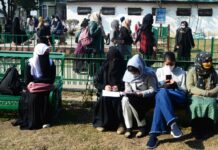
Interestingly, Jammu and Kashmir, now a union territory, tops the list with better participation at the higher education level, apparently because it is a Muslim-majority area. Jammu and Kashmir, with a total enrolment of 400,423 students, has 138,142 Muslims, making up a substantial 34.5 per cent of the total student body. The high proportion reflects the significant Muslim presence in the region’s higher education institutions, highlighting the community’s active participation. Jammu Kashmir’s GER stands at 24.8, reflecting a moderate representation despite the overall low enrolment in higher education.
It is followed by Ladakh, an earlier part of Jammu and Kashmir that plays second fiddle to Jammu and Kashmir at No 2. Ladakh has a small student body of 4,440, with 1,148 Muslims representing 25.8 per cent of the total enrolment. The relatively high percentage of Muslim students reflects the region’s demographic and educational trends. However, Ladakh has the lowest GER at 11.5, showing the region’s limited access to higher education.
The All India Survey in Higher Education (AISHE) Report 2021-22 (Provisional) revealed the data. It indicates a wide variance in the representation of Muslim students, highlighting the challenges faced by the community in accessing higher education.
In Andaman and Nicobar Islands, there are 11,427 total students enrolled, of which 609 are from the Muslim community. This represents a small fraction of the total enrolment, indicating limited access for Muslim students in this region. The GER in this UT is 22.6.
Andhra Pradesh has a total enrolment of 1,929,159 students, with 56,444 Muslims, making up approximately 2.92 per cent of the total student body in the state. This highlights the significant number of Muslim students in the state’s higher education sector. The state has a GER of 36.5, reflecting better educational opportunities for the youth.
Arunachal Pradesh, with 64,890 students enrolled, has 107 Muslims, a very low percentage of 0.16 per cent. The enrolment of Muslims in the state reflects a minimal representation, underscoring a need for increased access and inclusion for the community. Its GER is also on the lower side at 36.5.
Assam has a total enrolment of 678,012 students, with 84,808 Muslims, making up about 12.5 per cent of the student body. This indicates a comparatively larger proportion of Muslim students in Assam’s higher education institutions, reflecting the community’s active participation in the educational system. The state’s GER of 16.9, however, suggests room for improvement.
Bihar has 2,622,946 students enrolled, with 172,681 Muslims, accounting for 6.58 per cent of the total enrolment. This indicates a significant Muslim presence in higher education institutions in Bihar, although still below the state’s total population percentage. Its GER is 17.1, indicating challenges in educational access despite a large enrolment.
Chandigarh has 111,003 total students enrolled, of which 692 are Muslims, constituting a small 0.62 per cent of the total student body. The numbers reflect a modest representation in the capital’s higher education institutions. With a GER of 64.8, this reflects a high enrolment rate.
Chhattisgarh, with 656,341 students enrolled, has 5,113 Muslims, making up just 0.78 per cent of the total enrolment. The low percentage indicates a need for better representation and opportunities for Muslim students in the state’s higher education system. Chhattisgarh has a GER of 19.6.
Delhi, home to 1,145,390 students, has 28,282 Muslims, accounting for 2.47 per cent of the student body. This shows a moderate representation of Muslims in Delhi’s higher education institutions, a reflection of the capital’s diverse demographic. Delhi, with a GER of 49.
Goa has a total of 65,415 students enrolled, with 3,084 Muslims, representing about 4.72 per cent of the total enrolment. While this is a relatively higher percentage, it still signals the necessity for more inclusive educational opportunities for Muslim students. The state’s GER of 35.8 suggests relatively good access to higher education.
Gujarat has 1,797,662 students enrolled in its higher education system, with 35,993 Muslims, comprising 2 per cent of the total enrolment. While Gujarat has a sizable Muslim student population, their proportion in higher education still remains a smaller share compared to the overall student body. Gujarat’s GER is 24.
Haryana’s higher education system enrolls 1,104,532 students, with 10,961 Muslims, representing just 0.99 per cent of the total enrolment. The low representation highlights the disparity in educational access for Muslim students in the state. Haryana has a GER of 33.3.
Himachal Pradesh, with 319,651 students enrolled, has 1,314 Muslims, constituting 0.41 per cent of the student population. This low percentage underlines the need for more initiatives to boost enrolment among Muslim students in the state. Himachal Pradesh’s GER stands at 43.1.
Jharkhand’s enrolment stands at 879,965 students, with 38,200 Muslims, accounting for 4.34 per cent of the total enrolment. This shows a notable representation of Muslims in the state’s higher education sector, although it remains below the state’s overall Muslim population share. Jharkhand’s higher education system has a GER of 18.6.
Karnataka has 2,436,540 students enrolled, with 147,249 Muslims, making up 6.05 per cent of the total student body. This suggests a relatively large Muslim student population, though there remains room for further inclusion. Karnataka’s GER is 36.2.
Kerala has 1,304,445 total enrolments, with 187,358 Muslims, comprising 14.36 per cent of the total student population. The high proportion reflects the active participation of Muslims in higher education institutions in Kerala. It has the highest GER of 41.3.
Lakshadweep, with only 88 students enrolled, has 88 Muslims, indicating full participation of the Muslim community in higher education in this small union territory. Its GER is 1.1.
Madhya Pradesh has 2,800,165 students enrolled, with 39,205 Muslims, comprising 1.4 per cent of the total enrolment. This points to a smaller yet notable presence of Muslim students in the state’s higher education system. Madhya Pradesh has 28.9 per cent GER.
Maharashtra, with 4,577,843 students enrolled, has 154,515 Muslims, representing 3.38 per cent of the total student body. While the numbers indicate a significant Muslim presence, the percentage remains lower than the state’s total Muslim population. Maharashtra’s GER is 35.3.
Manipur has 130,388 students enrolled, with 1,964 Muslims, making up just 1.5 per cent of the total enrolment. The minimal representation reflects the challenges Muslim students face in accessing higher education in the state. Manipur’s GER is 35.4.
Meghalaya, with 96,453 students enrolled, has 2,119 Muslims, accounting for 2.2 per cent of the total student body. While the proportion is modest, it reflects a reasonable presence of Muslims in the state’s higher education institutions. Meghalaya’s GER is 25.4.
Mizoram has 46,771 students enrolled, with 130 Muslims, making up just 0.28 per cent of the total enrolment. The low percentage suggests a need for more inclusive educational policies to support Muslim students. Mizoram’s GER is 32.3.
Nagaland has 51,223 students enrolled, with 253 Muslims, a minimal 0.49 per cent of the total enrolment, indicating very limited access to higher education for Muslim students in the state. Nagaland’s GER is 18.8.
Odisha has 1,073,879 students enrolled, with 8,509 Muslims, constituting just 0.79 per cent of the total enrolment. This reflects limited opportunities and participation for Muslim students in the state’s higher education system. Its GER is 22.1.
Puducherry has 94,643 students enrolled, with 3,270 Muslims, making up about 3.45 per cent of the total enrolment. This suggests a modest participation of Muslims in higher education in the union territory. Puducherry’s GER of 61.5 indicates a high enrolment rate.
Punjab has 858,744 students enrolled, with 19,917 Muslims, accounting for 2.32 per cent of the total enrolment. The relatively low percentage indicates a need for increased representation of Muslims in higher education. Punjab’s GER is 27.4.
Rajasthan, with 2,689,340 students enrolled, has 46,411 Muslims, constituting 1.73 per cent of the total enrolment. This indicates a smaller share of Muslims, highlighting the need for improved access and opportunities. Rajasthan’s GER is 28.6.
Sikkim, with 33,761 students enrolled, has 162 Muslims, representing just 0.48 per cent of the total enrolment. The low percentage highlights the challenge of providing adequate higher education opportunities to Muslim students in the state. Sikkim’s GER of 38.6 is higher than many states.
Tamil Nadu, with 3,309,327 students enrolled, has 115,690 Muslims, making up 3.5 per cent of the total enrolment. While this is a significant number, the representation still falls short compared to the state’s overall Muslim population. Tamil Nadu has a GER of 47.
Telangana has 1,596,680 students enrolled, with 121,318 Muslims, comprising 7.6 per cent of the total student body. The proportion of Muslim students in Telangana reflects a fairly substantial representation in higher education. Telangana’s GER is 40.
Tripura has 100,551 students enrolled, with 3,002 Muslims, making up 2.98 per cent of the total enrolment. While the percentage is relatively high, it still suggests a need for greater opportunities for Muslim students. Tripura’s GER is 20.7.
Uttar Pradesh, with 6,973,424 students enrolled, has 326,819 Muslims, making up 4.68 per cent of the total student body. This substantial number reflects the importance of Muslim students in the state’s higher education sector. Uttar Pradesh’s GER is 24.1.
Uttarakhand has 567,704 students enrolled, with 16,836 Muslims, comprising 2.96 per cent of the total enrolment. This modest representation indicates the need for better educational access for Muslims in the state. Uttarakhand has 41.8 as its GER.
West Bengal, with 2,722,151 students enrolled, has 335,412 Muslims, making up 12.33 per cent of the total student population. The significant proportion underscores the large representation of Muslims in West Bengal’s higher education institutions. West Bengal has a GER of 26.