SRINAGAR: Around 4,84,57,343 cases are pending in district and subordinate courts across India, while 63,63,406 await disposal in High Courts and 90,897 are pending before the Supreme Court, according to official data presented in Parliament on Thursday.
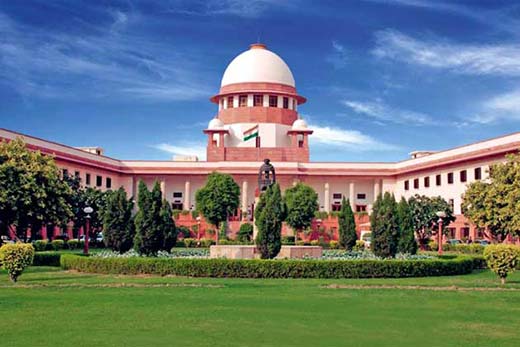
Responding to an unstarred question in the Rajya Sabha, Law and Justice Minister Arjun Ram Meghwal said the figures, drawn from the National Judicial Data Grid, reflect the scale of pendency across the three tiers of the judiciary. However, he added that data on pending trials is not centrally maintained.
The minister attributed delays in case disposal to several factors, including the complexity of the facts, the nature of the evidence, and the lack of cooperation from stakeholders such as the Bar, investigating agencies, witnesses, and litigants, as well as constraints related to physical infrastructure and support staff.
Meghwal said the NJDG has recently been upgraded to function as a monitoring tool to track, analyse and reduce pendency. The dashboard provides consolidated civil and criminal case data and allows users to assess pendency by category, year and stage of litigation. It also flags reasons for delays, such as non-availability of counsel, witnesses not appearing, documents pending, frequent appeals, and cases stayed by various courts.
The minister outlined multiple measures taken by the Central Government to support faster adjudication, including the National Mission for Justice Delivery and Legal Reforms, expansion of court infrastructure and the ongoing Phase III of the eCourts project. He said over 579 crore pages of court records have been digitised, and more than three crore eighty lakh hearings have been held via video conferencing.
He further noted that from May 2014 to November 2025, 72 judges have been appointed to the Supreme Court and over 1100 to High Courts, with the sanctioned strength of High Court judges increasing from 906 to 1122. Fast-track courts, special courts for cases involving MPs and MLAs, and exclusive POCSO courts have also been established to ease the load on regular courts.
Meghwal added that legal reforms, promotion of alternative dispute resolution and expansion of initiatives such as Lok Adalats and the Tele-Law programme are part of the government’s broader efforts to reduce pendency and enhance access to justice.