SRINAGAR: A US fighter aircraft has been shot down over Iran, triggering an urgent search-and-rescue operation even as a dramatic shake-up in the Pentagon and escalating rhetoric from Tehran signal a deepening and increasingly volatile conflict.

Iranian state media first reported that the aircraft was brought down over central Iran, claiming it was hit by the country’s air defence systems. A US official, speaking to Reuters on condition of anonymity, confirmed the development, saying a fighter jet had been lost and that “a search operation is under way” to locate any surviving crew.
Iran’s Islamic Revolutionary Guard Corps (IRGC) said it had deployed ground units to comb the area where the aircraft came down, while local authorities called on civilians to assist in locating the pilot. Iranian state television went further, urging residents to report or detain any “enemy pilot,” with one broadcaster stating: “If you capture the enemy pilot… you will receive a valuable reward,” according to reports carried by AP and other international outlets.
The type of aircraft remains unclear. Iranian media claimed it was an F-35, while Western reports cited by Reuters and other agencies suggested it could be an F-15E. The Pentagon and US Central Command have not issued an official confirmation.
The downing marks the first confirmed loss of a US fighter aircraft inside Iranian territory since the war began nearly five weeks ago, underscoring the continuing risks faced by US and allied forces despite claims of air superiority.
According to Reuters, US helicopters and aircraft were seen flying low over the suspected crash zone, indicating an ongoing combat search-and-rescue mission. Iranian media broadcast footage purporting to show local residents firing at low-flying aircraft, though these claims could not be independently verified.
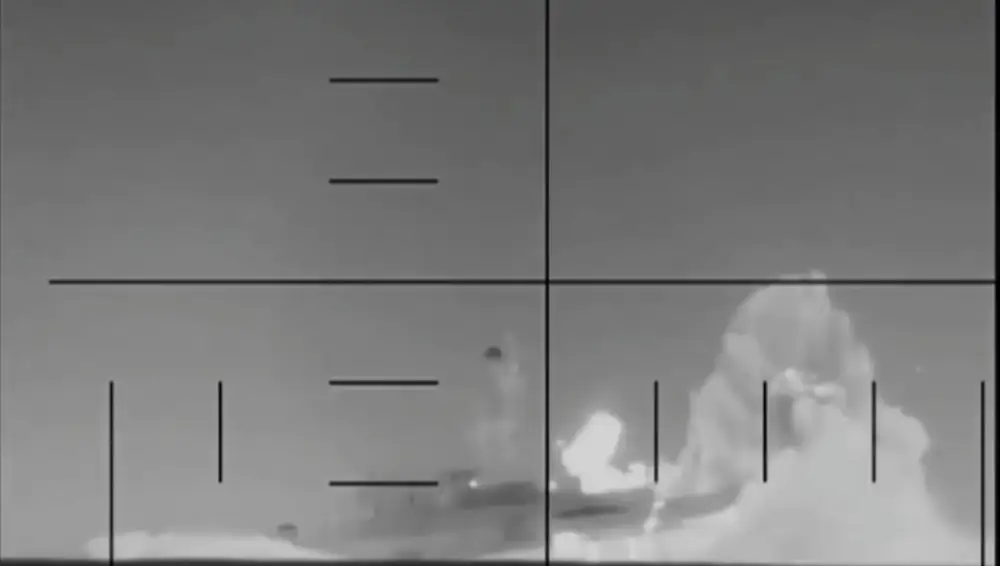
The incident comes at a time of intensifying hostilities. US President Donald Trump has vowed to expand military operations, including strikes on critical infrastructure. In a recent social media post, Trump said: “Our Military… hasn’t even started destroying what’s left in Iran. Bridges next, then Electric Power Plants!”
Iranian President Masoud Pezeshkian condemned the remarks, calling them “an admission of intent to commit a massive war crime,” as reported by Al Jazeera.
Parallel to battlefield developments, Washington is witnessing an extraordinary leadership upheaval. US Defense Secretary Pete Hegseth has removed several top military officials during active wartime operations.
US Army Chief of Staff Randy George was forced to step down, with the Pentagon confirming his immediate retirement but offering no explanation. According to Reuters, other senior officers — including General David Hodne and Major General William Green — were also dismissed as part of a broader restructuring of military leadership.
Officials told Reuters that such high-level removals during an ongoing conflict are very rare, highlighting the unusual nature of the decision. General Christopher LaNeve has been appointed to serve as acting Army chief.
Tehran has seized on the developments to mount a political counteroffensive, portraying the dismissals as evidence of instability within the US system.
Iranian officials and state-linked messaging mocked the leadership changes, describing them as a form of “regime change” within Washington itself. The messaging, amplified through official channels and diplomatic posts, suggested that the United States is facing internal disruption even as it escalates military operations abroad.
The rhetoric reflects a broader Iranian strategy to frame the conflict not only in military terms but also as a political and ideological confrontation.
The conflict continues to expand beyond Iran’s borders. Kuwait reported that its Mina al-Ahmadi oil refinery had been struck, while a desalination plant also suffered damage, though Iran denied targeting water infrastructure. Reuters and AP reported additional drone and missile activity across the Gulf, including interceptions in Saudi Arabia and the United Arab Emirates.
Iran has also launched missiles toward Israel, while Israeli and US strikes inside Iran have continued, targeting what officials describe as military and strategic infrastructure.
Meanwhile, humanitarian concerns are mounting. According to Al Jazeera, at least 2,076 people have been killed and more than 26,500 wounded in US-Israeli strikes across Iran since February 28.
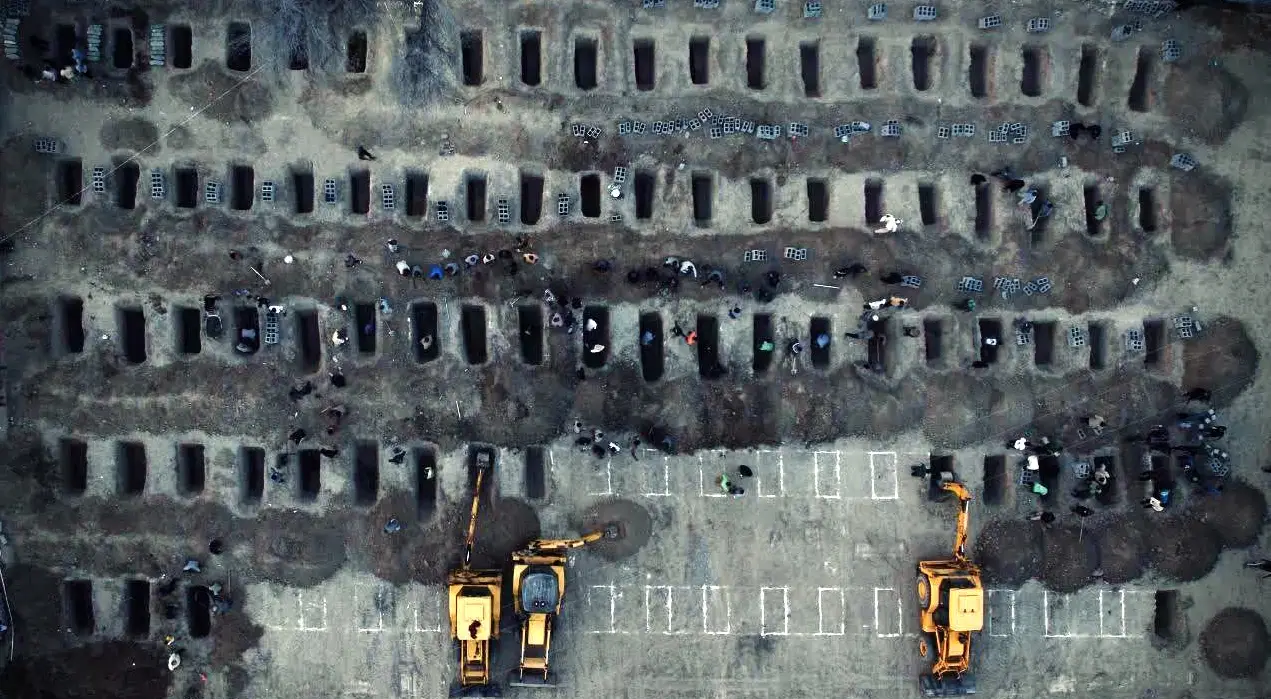
Iranian media have reported repeated attacks on civilian facilities, including health centres and research institutions. Among the sites damaged was the Pasteur Institute in Tehran, according to Reuters.
The war is also having far-reaching economic consequences. Iran’s control over the Strait of Hormuz — a vital corridor through which roughly a fifth of global oil supply passes — continues to disrupt international energy markets.
Oil prices have surged sharply, while disruptions to shipping have affected not only energy supplies but also fertiliser shipments, raising concerns about food security in parts of Asia and Africa, Reuters reported.
US President Donald Trump has called for the reopening of the strait, stating that it could be achieved quickly and suggesting economic gains from restored oil flows.
Efforts to de-escalate the conflict have so far failed. The United Nations Security Council is expected to take up proposals related to securing maritime routes, though divisions among major powers persist.
Former Iranian foreign minister Javad Zarif has called for Tehran to declare victory and pursue negotiations, outlining a potential framework for a settlement. However, there has been no indication of progress in talks conducted through intermediaries.
With a US warplane downed, senior military leadership in Washington reshuffled, and rhetoric intensifying on all sides, the conflict appears to be entering a more dangerous phase, with risks of further escalation across the region and beyond.