by Javaid Ahmad Lone and Junaid Ul Rashid
How fear of social judgment, conspicuous consumption, and hyperreal expectations have transformed marriage into an exhausting performance, pushing families into debt, emotional collapse, and the slow erosion of dignity and love.
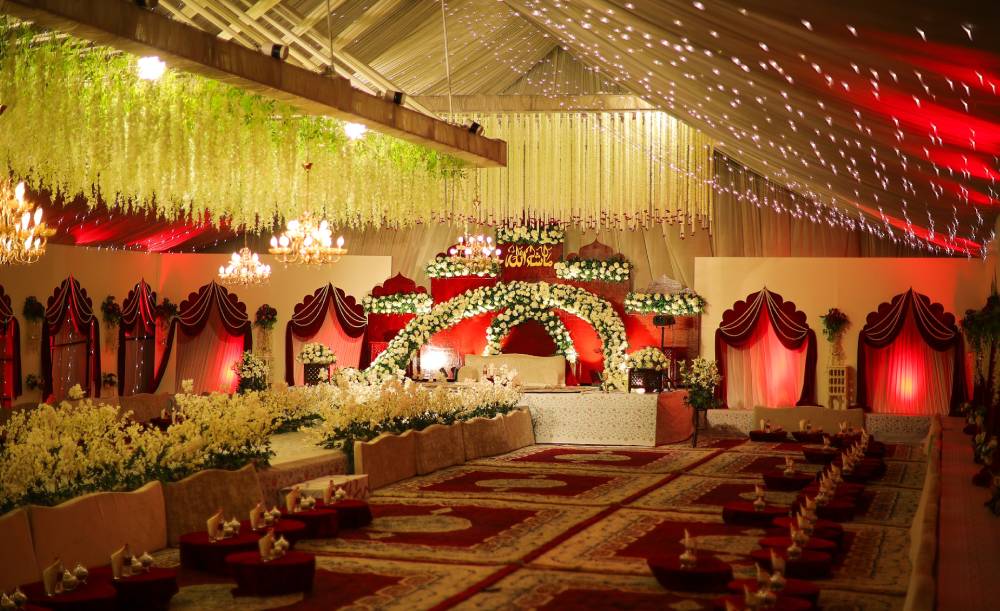
Marriage in our society no longer begins with love; it begins with fear, a quiet, creeping, suffocating fear that settles into a young man long before he even understands what companionship truly means. Before he imagines a life built on affection, trust, or shared dreams, he imagines relatives entering his home like investigators, neighbours whispering behind curtains, and guests dissecting his life as though he were an object on display.
Being a social being, a single sentence begins to haunt him: Lukh kya wanan (What will people say). With that question, everything shifts. Marriage changes from an intimate union into a public theatre where he must perform a life he does not have. What should have been a private journey between two souls becomes a trial conducted by society.
A man’s worth stops being measured by his honesty, kindness, or capacity for love. Instead, society evaluates him by the shine of the tile floor of his house, the smell of new paint, the gloss of the furniture, and whether his home imitates the standards promoted by modern discourse. He becomes a project to be reviewed, not a person to be loved. Sincere men borrow lakhs to repaint rooms, buy new furniture, install curtains they did not need, and decorate their entire homes only to avoid humiliation. They are not preparing for marriage; rather, they are preparing for judgment. There are other men whose socio-economic background never matched society’s expectations, yet society demanded that they perform wealth they did not possess. This is where the first wound of marriage opens, a wound created not by love, but by society.
False Needs
Critical theorist Herbert Marcuse, in One-Dimensional Man, described this as the creation of false needs, desires planted in us by capitalism and comparison. Kashmir’s marriage culture has become a cruel embodiment of his insight. A groom must decorate his poverty until it looks like prosperity, must stretch his suffering into a performance of glamour, must create an illusion so convincing that even his pain must look beautiful. The home becomes a showroom. The family becomes a brand. Borrowing becomes tradition. Anxiety becomes an inheritance. Marriage transforms into a stage on which authenticity disappears.
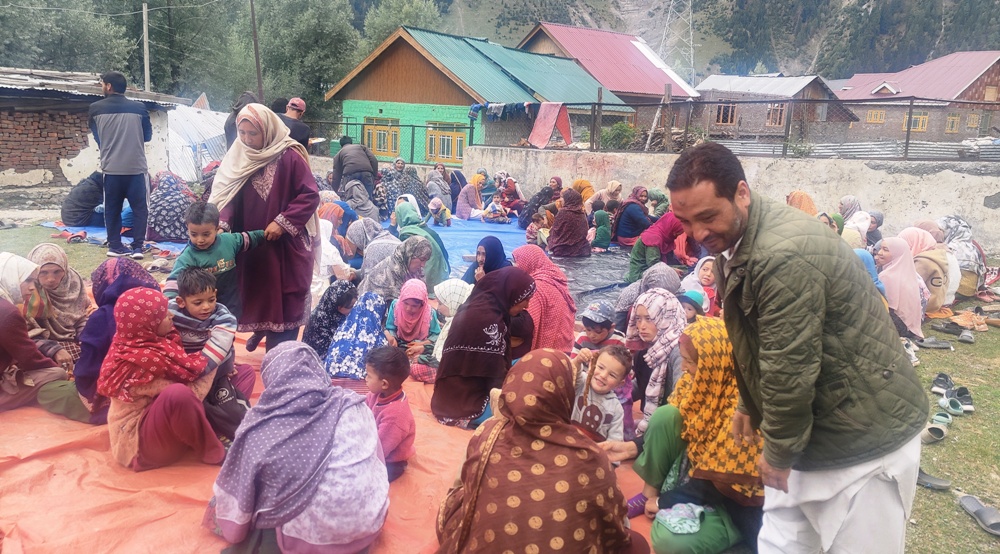
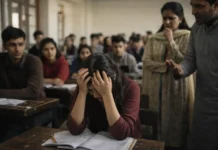
Many of our young men enter marriage already emptied and exhausted by debt, humiliation, and the endless performance of worth. They smile, they host, they comply, but something vital has already been taken from them. Some do not even qualify for this manufactured standard. For them, marriage is not delayed but silently cancelled. They watch from the margins as others perform ceremonies they can barely afford to imagine, while their own lives are consumed by the struggle to survive, to earn enough to keep a household running, to feed parents, to carry responsibilities that leave no space for celebration.
For such men, marriage remains a distant dream, not because they lack love, maturity, or responsibility, but because society has raised the cost of dignity beyond their reach. Each expectation cuts like a sharp knife, slicing through hope, scraping against self-worth, tearing apart futures before they can even be spoken aloud. Their dreams do not break loudly; they bleed slowly, day after day, in silence, as survival itself disqualifies them from belonging. This suffering does not remain private. It is displayed, observed, and quietly absorbed by everyone watching, and turned into a lesson without a classroom, taught without words.
Unaffordable Rituals
Yet society does not stop here. After exhausting the groom emotionally and financially before the wedding, it crushes the entire family during the wedding itself and wounds those who stand watching as well. Every display staged before guests becomes a lesson quietly delivered to those still waiting: this is what respect looks like; this is what eligibility demands. Young men sitting at the margins do not merely attend these weddings; they measure themselves against them. Each decorated tent, each tray of excess items, each ritual performed beyond necessity, sharpens the awareness of what they cannot afford, cannot match, and may never reach.
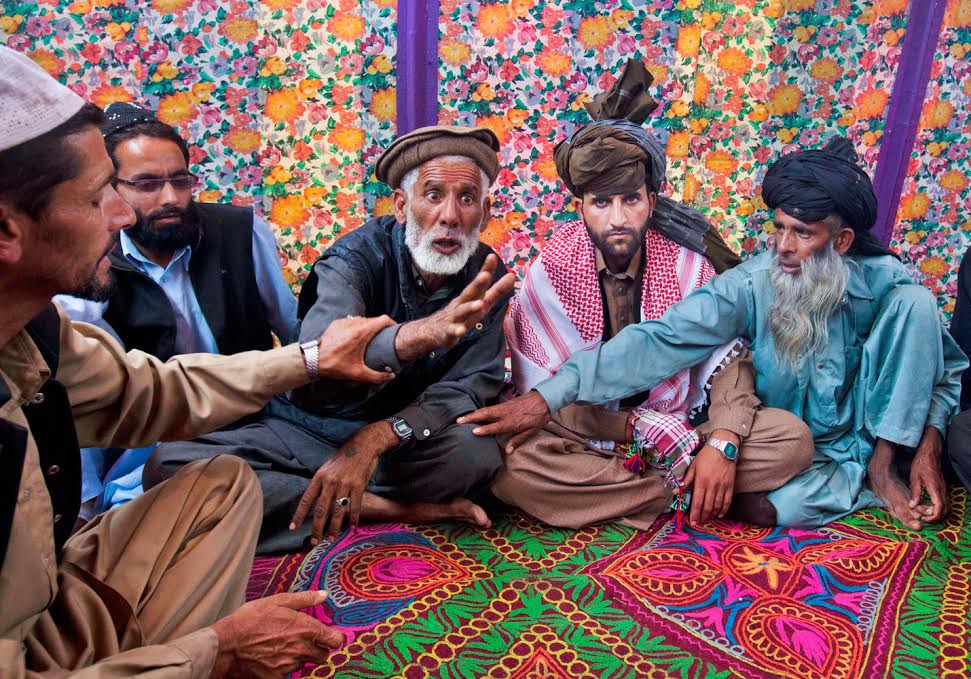
The wedding becomes a public classroom of inequality, where some learn celebration while others learn inadequacy. For those already struggling to survive, watching such scenes does not inspire joy but deepens despair. It teaches them that even love now requires capital, that belonging has a price tag, and that dreams must be postponed until worthiness can be performed before society.
Weddings, once sacred spaces of warmth, prayer, and collective blessing, have increasingly been emptied of their soul and transformed into public exhibitions where love is displaced by performance and silence is forced to endure.
A friend recalled his brother’s marriage not with joy but with a heaviness that repeatedly interrupted his voice. Zool (the illumination of the house and tents) alone consumed more than Rs 40,000, a cost that did not end with the ceremony but followed the family home, settling into everyday life as a quiet, persistent burden. Mithai-dabbe (sweet boxes), purchased for hundreds of rupees, were opened without care and discarded within minutes, while simple sweet boxes quietly multiplied in cost as varieties were added, turning effort into waste and leaving behind a sharp sense of loss no one acknowledged.
Gold was bought far beyond necessity, not as security or meaning but as a symbol to match imagined standards and an attempt to attain high social prestige. Both the bride’s and the groom’s clothes were purchased in excess; such heavy and expensive outfits, chosen to meet imagined standards rather than lived needs, are worn once, sometimes never again, and stored away as reminders of a performance already completed. Massive saibaan (tents) stood for a few hours, while the debt they produced lingered for years, and sealed water bottles were pressed into guests’ hands, items no one needed, yet everyone felt compelled to provide.
All these added items carry more symbolic value than material value. Their high symbolic and occasional significance increases their market monetary value far beyond their material worth. Each expense appeared insignificant in isolation, but together they crushed the household. When the guests departed and the lights dimmed, what remained was not celebration but exhaustion, regret, and a long struggle to return to normalcy.
The Multi-Course Feast
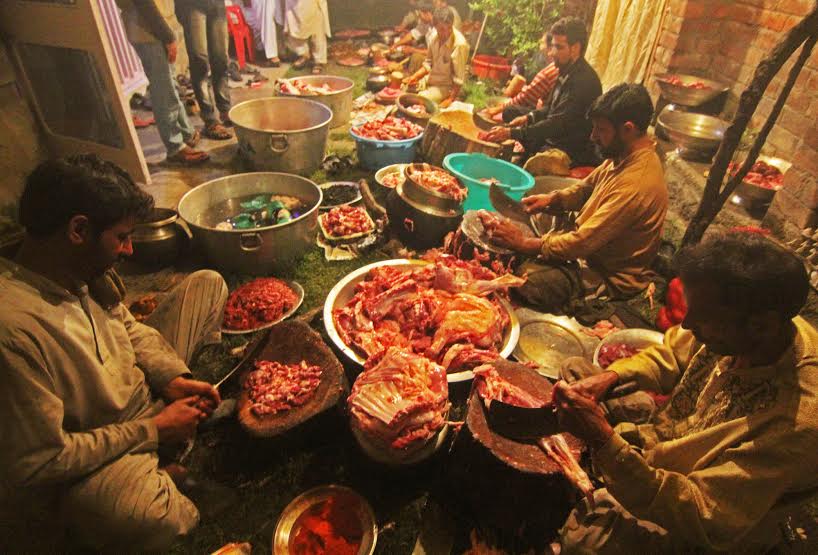
Wazwan, the traditional Kashmiri feast, involves elaborate preparation of non-vegetarian dishes cooked continuously over two days on the wureh (a long, double-rowed structure made of mud bricks, fired using wood). While guests partake in the celebration, the head of the household often inhabits a parallel emotional space marked by joy intertwined with quiet unease. Beneath the festivity lies an awareness of economic anxiety and long-term household strain produced by practices that have gradually expanded beyond necessity. Yet resistance remains difficult.
As a deeply social being, the individual’s identity and acceptance are anchored in collective norms, making restraint appear as a social risk. This inner conflict is poignantly expressed in the Kashmiri saying, mehe chu lukan seit pagah wothun bihun, yiman kya jawaab dim (I must continue to live among these people; how can I face them?), echoing the ever-present anxiety of lukh kya wanan (What will people say?). At this intersection of tradition and fear of social judgment, Wazwan subtly shifts from a shared cultural practice to a commodified display, where symbolic prestige outweighs material need and market value begins to replace collective meaning. What is endured privately as emotional unease is, in fact, a socially produced pressure shared across households.
These are not isolated excesses or individual choices; together, they form a patterned demand that no single family can escape alone. What appears as celebration on the surface functions as obligation beneath it, repeating itself from household to household until excess feels normal and restraint feels like failure.
The Control Centre
Behind these rituals lies a silent but powerful structure of control. A small section of society, holding the majority of resources, sets the standards of celebration and normalises excess. Social respect, honour, and dignity are quietly attached to spending beyond one’s means. Within this structure, the groom’s and bride’s families are trapped: declining expenses is read as weakness, negotiating costs is seen as dishonour, and borrowing becomes the only path to social survival.
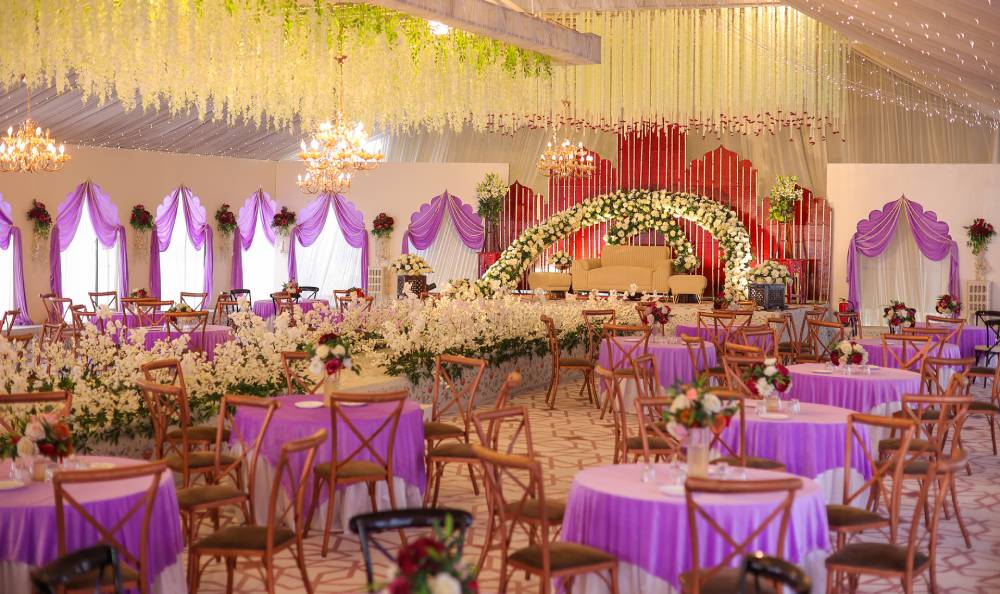
Those who can afford these displays turn them into unspoken benchmarks; those who cannot are pushed into debt, shame, and anxiety simply to avoid humiliation. Parents smile in public while crying in private. Marriage becomes a burden not only for the groom’s family but equally for the bride’s, trapping both in obligations never meant to define our culture.
This money does not come from wealth.
It comes from loans.
From a property sold in desperation.
From jewellery pawned quietly.
From dreams postponed.
From futures sacrificed.
Conspicuous Consumption
Thorstein Veblen’s concept of “conspicuous consumption” breathes through every Kashmiri wedding, spending not for joy but to express and display the unreal. In Kashmiri culture, this phenomenon is commonly described as haaw baaw. We have personally witnessed parents saying, “We have done one marriage; now we cannot afford another for the next five or six years,” a reality that silently shapes the lives of the remaining children.
Such practices do not end with celebration; they reproduce economic strain, unequal life chances, and intergenerational consequences, revealing how cultural display deeply intersects with structural vulnerability. Pierre Bourdieu’s “symbolic violence” is visible everywhere: society forces even the poor to imitate the rich and punishes them emotionally when they fail.
But economic pressure alone does not explain the depth of marital collapse we now witness. Even when the wedding ends and debt is somehow absorbed, another force continues its quiet work, reshaping expectations, distorting love, and replacing lived reality with manufactured desire. While money exhausts families from the outside, imagination is colonised from within. And while society crushes families from the outside, hyperreality destroys marriages from within.
Filmi Marriages
Our youth are raised not on lived experience but on scripted romance serials where every conflict ends in poetic apology, films where love survives every storm without effort, and social media where couples pose under perfect lighting. Jean Baudrillard warned that hyperreality replaces truth with simulation. The illusion becomes more desirable than reality. And inside our marriages, this takeover is complete.
A young man raised on cinematic passion expects a wife who behaves like an actress. A young woman raised on television serials expects a husband who behaves like a scripted hero. Both enter marriage with imaginations borrowed from screens, not expectations grounded in life.


When reality appears unfiltered, imperfect, and demanding patience, disappointment sets in. They do not question the illusion; they question the marriage. Ordinary tenderness begins to feel “not enough”. Love fractures not because it failed, but because fiction was mistaken for truth. Choosing a partner wisely, then, becomes an act of survival. A partner is not a character; real life is not scripted. The strongest marriages are built not on glamour but on compatibility, emotional maturity, shared struggle, and patience in silence. True love proves itself not in spectacle, but in endurance.
But if society can create this suffocation, society can also unlearn it. Change begins when families refuse to borrow for applause, when simplicity is reclaimed as dignity, when restraint stops feeling like shame. Community elders, religious leaders, and social institutions must legitimise simplicity so that refusal no longer feels like failure. The wealthy must lead this change because they set the trends that others suffocate while trying to follow.

Relook the Marriages
And perhaps the most powerful healing begins when two families agree to marry. Instead of negotiating burdens, they can negotiate relief. Your peace is my peace. Your dignity is my dignity. Marriage is not a battlefield of superiority but a bridge where two homes meet halfway. When families enter marriage as companions rather than competitors, deception ends, anxiety dissolves, and love becomes possible again.
After the performances end, the real tragedy begins.
After the lights go off.
After the music fades.
After the guests disappear.
Debt becomes the third member of the marriage.
Shame becomes the fourth.
Society becomes the fifth.
Love suffocates. Trust fractures. Intimacy fades. The home meant to be a sanctuary turns into a battlefield of bills, silence, and regret. Marriage was never meant to feel like this. It was meant to be a refuge, a resting place where two tired souls find shelter in each other.
But today, when society demands a show, families collapse silently.
In tears hidden behind walls,
In dreams buried under debt,
In futures delayed indefinitely.
And the most heartbreaking truth of all is this:
“We traded peace for applause, and applause never paid a single debt.”
(Javaid Ahmad Lone is a PhD Scholar, Department of Social Work and Junaid Ul Rashid, sociology is, IIT Bombay. Ideas are personal.)