by Asad Mirza
Since 2021, following a two-decade hiatus, Afghanistan’s Taliban rulers have once again seized power, emerging as pariahs shunned by the international community. Yet, despite the widespread censure, the hard-line militants have recently secured notable diplomatic gains in their bid to forge international ties.
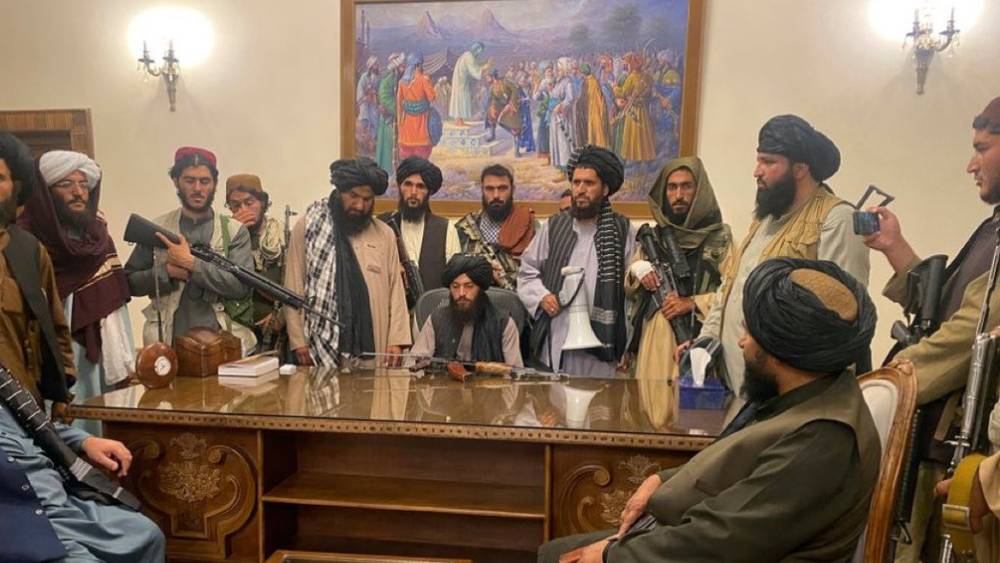
The Taliban’s return to power, marked by the hasty withdrawal of American forces, has sparked a renewed, albeit cautious, interest in Afghanistan. Over the past four years, the country has witnessed a diplomatic reshuffling, with former allies like Pakistan turning into adversaries and erstwhile foes such as Russia stepping forward as potential partners. This diplomatic teeter is reshaping Afghanistan’s external relations, prompting a reconsideration of global alliances.
Last week, India’s special envoy for Afghanistan, Anand Prakash, visited Kabul for discussions with senior Taliban leaders, aiming to bolster political and trade links. Meanwhile, a Taliban delegation engaged in talks with Uzbek Foreign Minister Bakhtiyor Saidov in Tashkent, negotiating a proposed trans-Afghan rail link that could transform regional connectivity.
Despite these overtures, formal recognition of the Taliban regime remains limited. Except for China, no other nation has yet extended official recognition. The militant rulers continue to face widespread international criticism, particularly over human rights violations against women and girls. Nonetheless, the momentum appears to be shifting in the Taliban’s favour.
China became the first country to accept a Taliban-appointed ambassador in January 2024, advancing discussions on infrastructure and investment as part of its Belt and Road Initiative (BRI). This development marked a strategic pivot, with Beijing positioning itself as a key player in Afghanistan’s reconstruction.

On 2 May, Zamir Kabulov, Russia’s Special Representative for Afghanistan, indicated in an interview with Russian news agency RIA Novosti that Moscow is prepared to collaborate with the Taliban in combating the Islamic State’s Afghan affiliate, ISIS-Khorasan. Russia has faced a spate of ISIS-related attacks in recent months, the deadliest being a shooting at a concert hall near Moscow in March 2024 that claimed 145 lives. These incidents have intensified Russia’s focus on counterterrorism efforts, both domestically and internationally.
In a significant move, Russian officials have expressed their readiness to cooperate with the Taliban across various sectors, signalling a recalibration in Moscow’s stance toward Afghanistan. Most notably, Russia recently removed the Taliban from its list of terrorist organisations, a step that underscores the Kremlin’s evolving posture, even as it stops short of formally recognising the group as Afghanistan’s legitimate government.
Russia has been quietly advancing its economic interests in Afghanistan, particularly in the mining and energy sectors. Unlike many countries that shuttered their embassies following the Taliban’s return to power, Russia chose to keep its mission in Kabul open, merely downgrading its diplomatic presence in name. Reports indicate that Russian and Taliban representatives are poised to sign a contract to supply 50 million cubic metres of liquefied petroleum gas (LPG) at the Kazan Forum in May 2025, with South and Southeast Asia identified as the target markets.
The Taliban’s relations with its southern neighbour have deteriorated, as Islamabad accuses the group of providing a haven to militants from Tehrik-e Taliban Pakistan (TTP). On 27 April, Pakistan’s military claimed it had killed 54 fighters attempting to cross the border. Tensions between the two sides have simmered since the Taliban takeover, with the border issue emerging as a flashpoint.
Amid these escalating tensions, Pakistan has deported approximately 100,000 Afghan refugees in recent weeks, alleging their involvement in terrorism and drug smuggling. The strained relations have added a security dimension to India’s recent overtures towards Afghanistan, particularly in light of the deadly militant attack in Kashmir on April 22, 2025.
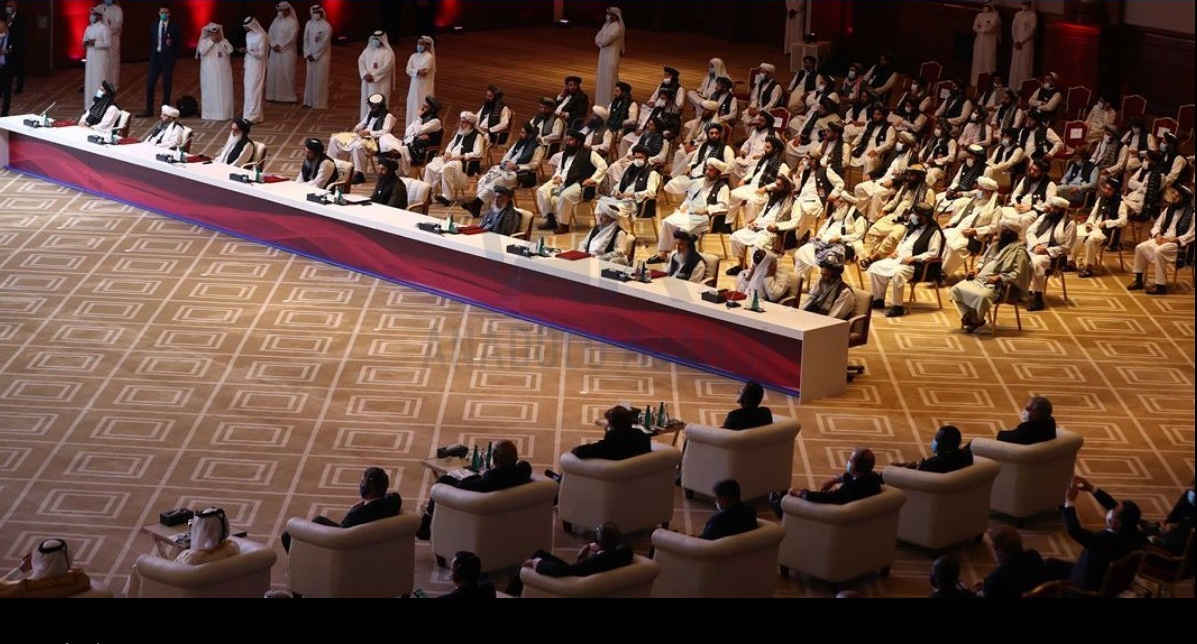
Since the chaotic withdrawal of their forces in 2021, Western powers have maintained a vocal stance against the Taliban, condemning the regime’s human rights record, especially its treatment of women. Yet, even here, signs of cautious engagement are emerging.
In March, the Khaama news agency reported that a British government document outlined a policy of “limited and pragmatic” engagement with Taliban officials via its embassy in Qatar. In Germany, the incoming chancellor, Friedrich Merz, has called for direct talks with the Taliban to facilitate deportations of Afghans. Juergen Hardt, a foreign policy spokesman for Merz’s Christian Democrats, stated in February that “the truth is that they are in power.”
Meanwhile, the United States has already initiated direct talks. Last month, US officials visited Kabul to negotiate the release of American citizens held by the Taliban. In return, Washington lifted the bounties on three members of the Haqqani network, including the Taliban’s interior minister.
Despite the dire circumstances facing ordinary Afghans, particularly women and children, the Taliban have managed to bring a degree of stability to the country’s battered economy. Although the regime’s record on women’s rights remains dismal, key economic indicators have shown some signs of recovery. Export volumes have increased, government revenues have stabilised, and the national currency, the Afghani, has gained strength.
The Afghani, which had plunged against the dollar after the Taliban’s ascent to power, was shored up through stringent measures, including a ban on foreign currency transactions. Graeme Smith, a Senior Analyst with the Brussels-based International Crisis Group, notes in a recent report that such measures have been pivotal in stabilising the currency, even as the broader economic outlook remains bleak.
The Taliban, acutely aware that agriculture forms the backbone of Afghanistan’s economy, have directed considerable attention towards enhancing the sector. In the Herat Valley, a region synonymous with agricultural productivity, the regime has revitalised the use of 15 irrigation canals and initiated the construction of six more. This focus on irrigation infrastructure is intended to bolster crop yields and sustain livelihoods dependent on farming.
Beyond agriculture, the Taliban have sought to create job opportunities, particularly in the construction and agricultural sectors. Employing domestic labour in development projects has emerged as a strategic method to mitigate unemployment. The emphasis on local manpower reflects a broader effort to stabilise the workforce amid economic uncertainty.
Afghanistan’s mineral resources, including lithium, copper and iron, remain largely untapped but hold significant potential for economic growth. According to a report by the Afghan website Tahilroz, the Taliban have initiated several internal contracts and informal negotiations with foreign companies to explore these assets. The resource-rich terrain offers a lucrative prospect, yet political instability and lack of formal recognition hinder large-scale investment.
In the face of financial constraints, the Taliban have focused on small, manageable infrastructure projects. Investments in roads, bridges and communication routes have been prioritised, particularly in rural areas where economic hardship is most pronounced. While limited in scope, these reconstruction efforts have had a discernible impact, improving connectivity and access to essential services.
Despite the economic challenges, the Taliban have attempted to improve health services, with particular emphasis on preventive care and vaccination programmes. Expanding access to basic health services has been a key focus, although the broader health infrastructure remains fragile and underfunded.
For the Taliban, consolidating power within Afghanistan requires a strategic recalibration of its policies and public positions. The regime’s strategic location and mineral wealth present opportunities for economic engagement, yet the path to broader international acceptance hinges on addressing the demands and aspirations of the Afghan populace.
(The author is a senior commentator based in New Delhi, specialising in national and international affairs, defence and strategic issues, and environmental concerns. He is also an interfaith practitioner and a media consultant. Ideas are personal.)