SRINAGAR: The health of children in Jammu and Kashmir presents a complex picture of progress and concern, according to the Children in India 2025 report released by the Ministry of Statistics and Programme Implementation (MoSPI) through the National Statistical Office (NSO), based on a sample survey data for the period 2019-21. While high immunisation coverage and improving breastfeeding indicators offer reassurance, significant nutritional deficiencies, anaemia, and emerging lifestyle-related risks continue to challenge child health outcomes across age groups.
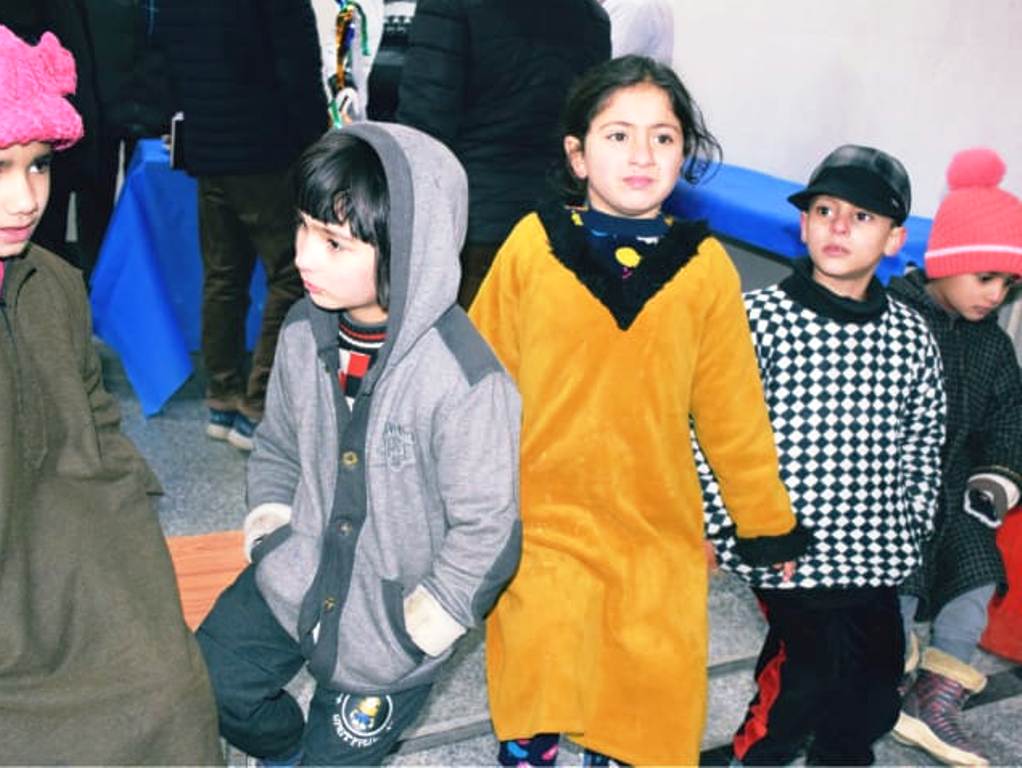
Among children under five, malnutrition remains a key concern. About 26.9 per cent of children are stunted, reflecting chronic undernutrition, with urban children (30.1 per cent) more affected than their rural counterparts (25.9 per cent). Boys are disproportionately impacted, with 30.4 per cent stunted compared to 23.3 per cent girls. Wasting, an indicator of acute malnutrition, affects 19 per cent of children under five, while 21 per cent are underweight.
At the same time, 9.6 per cent of children in this age group are overweight, underlining the growing dual burden of undernutrition and excess weight.
Anaemia continues to be widespread. More than 55 per cent of children aged 6–59 months are anaemic, with slightly higher prevalence among urban children and girls. Iron deficiency persists into later childhood and adolescence, affecting 17.8 per cent of children aged 5–9 years and a striking 30.7 per cent of adolescents aged 10–19 years.
Micronutrient deficiencies cut across age groups. Vitamin D deficiency is particularly alarming, rising from 22.9 per cent among children aged 1–4 years to 36 per cent in the 5–9 age group, and peaking at 52.8 per cent among adolescents. Zinc deficiency affects over one-fifth of younger children and nearly 39 per cent of adolescents, while vitamin A deficiency, though comparatively lower, remains present across all age brackets.
Encouragingly, early-life care indicators show improvement. Breastfeeding practices remain strong, with 36 per cent of children receiving any breastfeeding and 46 per cent exclusively breastfed.
Immunisation coverage is robust: 86.2 per cent of children aged 12–23 months have received all basic vaccinations. Coverage is higher in rural areas (87.2 per cent) than urban (83 per cent), and girls (87.8 per cent) outperform boys (84.8 per cent). Individual vaccine coverage is particularly high for BCG (95.1 per cent), DPT (92.8 per cent), and measles-containing vaccines (91.7 per cent).
However, the data also flags emerging non-communicable disease risks among older children. In the 5–9 year age group, over 50 per cent show high triglyceride levels, while 12.3 per cent have low HDL cholesterol. Among adolescents, nearly 20 per cent have high triglycerides, and 11.7 per cent have low HDL. Pre-diabetes affects 7.6 per cent of children aged 5–9 years and 9.7 per cent of those aged 10–19 years, with hypertension detected in 2 per cent of adolescents.
Overall, the findings suggest that while Jammu and Kashmir has made notable strides in immunisation and early-childhood care, malnutrition, micronutrient deficiencies, and lifestyle-related metabolic risks remain deeply entrenched. Health experts say the data underscores the need for a comprehensive child health strategy, one that integrates nutrition security, adolescent health, dietary diversity, and preventive screening, if the region is to secure healthier outcomes for its next generation.
The report is based on a sample survey, the universe of which is not known. It is not the absolute reality as no survey, other than census, can have a full appreciation of the ground realities. Even the National Family Health Survey cannot offer absolute details but only clear trends.
The Ministry of Statistics and Programme Implementation (MoSPI) has already clarified that the Children in India 2025 aggregates information from multiple government data sources rather than being based on a single primary survey conducted by MoSPI itself. In other words, it draws on data collected by other agencies such as the National Family Health Survey (NFHS) and administrative systems maintained by various ministries and departments.