SRINAGAR: The Jammu and Kashmir government on Wednesday ordered a ban on 25 books, including works by globally renowned authors such as AG Noorani, Arundhati Roy, Ayesha Jalal, and Sumantra Bose. The decision came just days after Lieutenant Governor Manoj Sinha inaugurated the Chinar Book Festival in Srinagar, calling for a “correction of historical narratives” and urging writers to help young minds reconnect with India’s civilisational heritage.
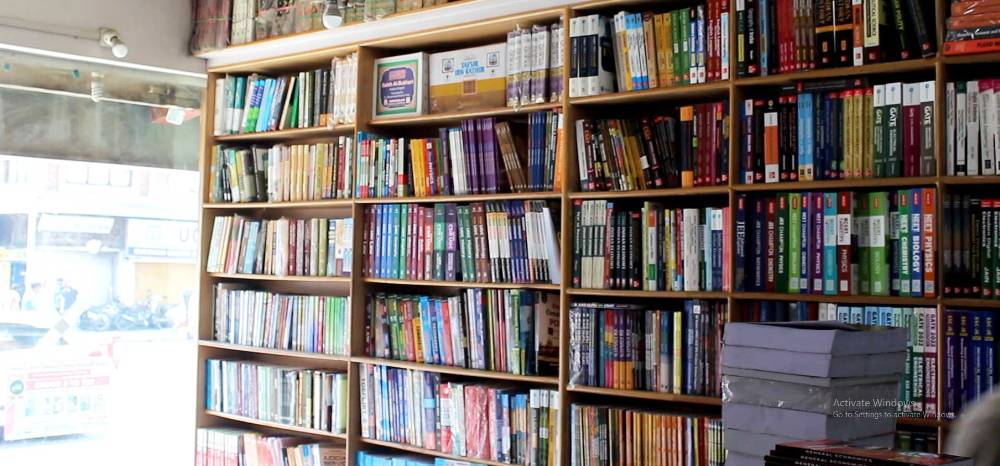
The order, issued by the Home Department and signed by Principal Secretary Chandraker Bharti, declared the books “forfeited” under Section 98 of the newly enacted Bhartiya Nagarik Suraksha Sanhita, 2023. The administration said the listed publications had been found to promote “false narratives, glorify terrorism, incite secessionism and radicalise youth.”
According to the official notification, “credible intelligence and investigations” suggest that these books played a “critical role” in “misguiding youth, glorifying terrorism, vilifying security forces and distorting historical facts,” which the government claims has contributed to alienation and violent extremism in the region.
The books banned include Human Rights Violations in Kashmir by Piotr Balcerowicz, and Agnieszka Kuszewska; Azadi by Arundhati Roy; Kashmir’s Fight for Freedom by Mohd Yousuf Saraf; Colonising Kashmir: State Building Under Indian Occupation by Hafsa Kanjwal; Kashmir Politics and Plebiscite by Dr Abdul Jabbar Gockhami; Do You Remember Kunan Poshpora? By Essar Batool and others; Mujahid ki Azaan by Imam Hasan Al-Bana Shaheed; Al Jihadul fil Islam by Moulana Moudadi; Independent Kashmir by Christopher Snedden; Resisting Occupation in Kashmir by Haley Duschinski, Mona Bhan, Ather Zia, and Cynthia Mahmood; Between Democracy and Nation by Seema Kazi; Contested Lands by Sumantra Bose; In Search of a Future by David Devadas; Kashmir in Conflict by Victoria Schofield; The Kashmir Dispute 1947–2012 by A G Noorani; Kashmir at the Cross Roads by Sumantra Bose; A Dismantled State by Anuradha Bhasin; Resisting Disappearance by Ather Zia; Confronting Terrorism by Stephen Pcohen; Freedom in Captivity by Radhika Gupta; Kashmir: The Case for Freedom by Arundhati Roy, Hilal Bhat, Angana Chatterji, Pankaj Mishra, and Tariq Ali; USA and Kashmir by Dr Shamshad Shan; Law and Conflict Resolution in Kashmir by Piotr Balcerowicz and Agnieszka Kuszewska; Freedom Captivity by Radhika Gupta; Tarikh-i-Siyasat by Dr Afaq; Kashmir and Future of South Asia, edited by Sugata Bose and Ayesha Jalal.
Prominent publishers, including Penguin, Oxford University Press, Routledge, Zubaan Books, and Stanford University Press, have titles featured in the list. The government has directed that the circulation of these books be ceased immediately, citing the Bhartiya Nyaya Sanhita, 2023, Sections 152, 196, and 197, which deal with acts endangering national integrity.
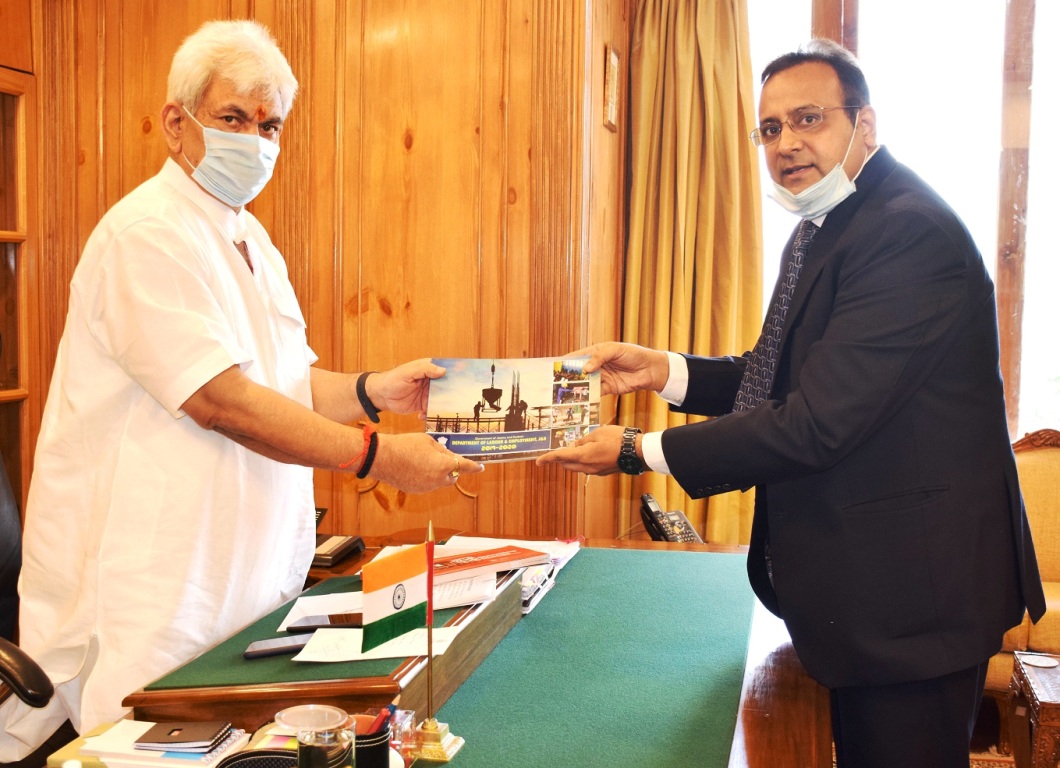
The timing of the move has stirred controversy. It comes even as the Chinar Book Festival, organised by the National Book Trust and the National Council for Promotion of Urdu Language, is underway at Srinagar’s Sher-i-Kashmir International Conference Centre (SKICC). The nine-day literary event, which has brought together nearly 200 publishers from across India, was hailed as a cultural renaissance for the region.
At the festival’s inauguration, LG Sinha had lauded Kashmir’s literary legacy and called for the “liberation from colonial mindsets” through books. “Writers must correct historic wrongs,” he had said, urging translations of classical Kashmiri texts like Nilamat Purana, Rajatarangini, and Kathasaritsagara to reclaim national pride.
The Home Department’s notification insists the move is necessary to preserve national unity. “The systematic dissemination of secessionist literature,” it states, “has deeply impacted the psyche of youth by promoting a culture of grievance, victimhood, and terrorist heroism.”
“Available evidence based on investigations and credible intelligence unflinchingly indicates that a significant driver behind participation in violence and terrorism has been the systematic dissemination of false narratives and secessionist literature,” the notification stated.
The notification further stated that this action was necessary to curb radicalisation and “the culture of grievance, victimhood, and terrorist heroism,” adding that citizens must remain vigilant against such content.