SRINAGAR: The ancient petroglyphs and archaeological heritage of Chilling village came into focus on Saturday as Chief Secretary of the Union Territory of Ladakh, Ashish Kundra, visited the historic settlement in Leh district to review its cultural legacy, traditional craftsmanship and developmental concerns.
Located along the banks of the Zanskar River, around 60 kilometres from Leh, Chilling is regarded as one of Ladakh’s most significant cultural and archaeological landscapes. The village is known not only for its centuries-old tradition of copper, brass and silver craftsmanship but also for its rich repository of ancient rock art and heritage artefacts that provide insight into the region’s early civilisation and cultural evolution.
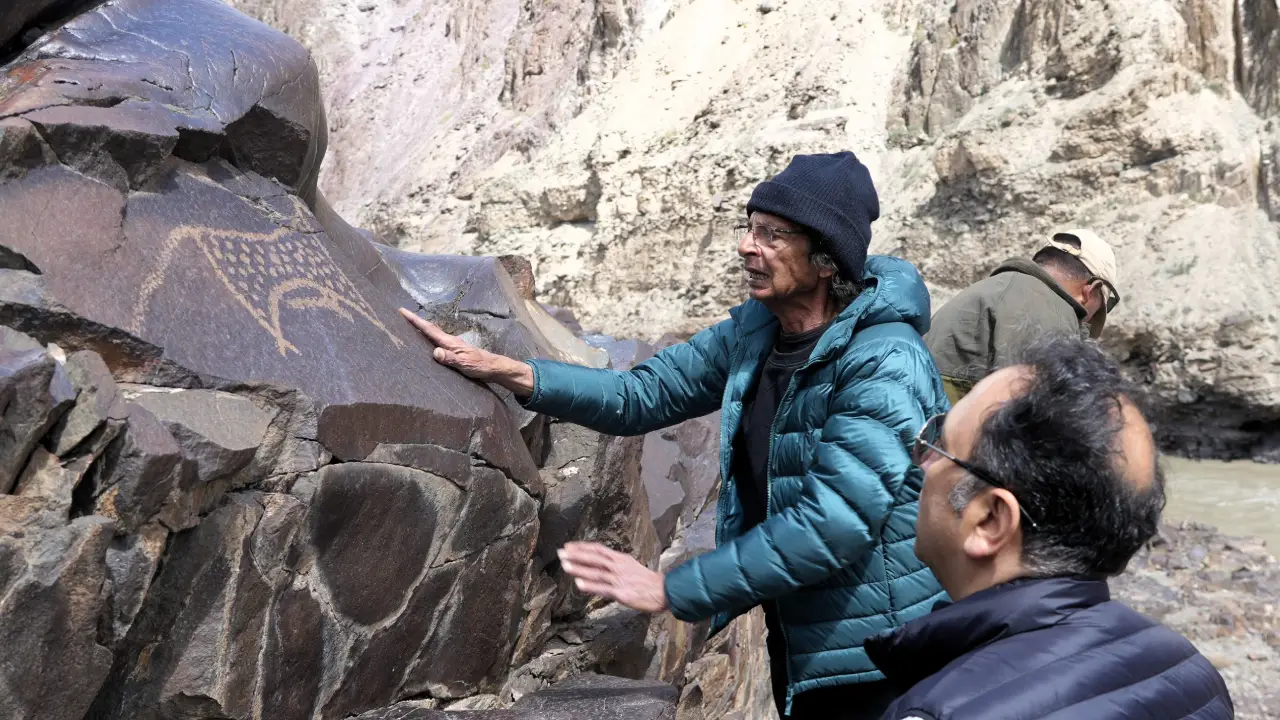
During the visit, the Chief Secretary toured the Waru and Tsogsti Petroglyph Site, where archaeologist and researcher Tashi Ldawa and heritage anthropologist Viraf Mehta briefed him about the historical significance of the rock engravings and archaeological remains preserved in the area.
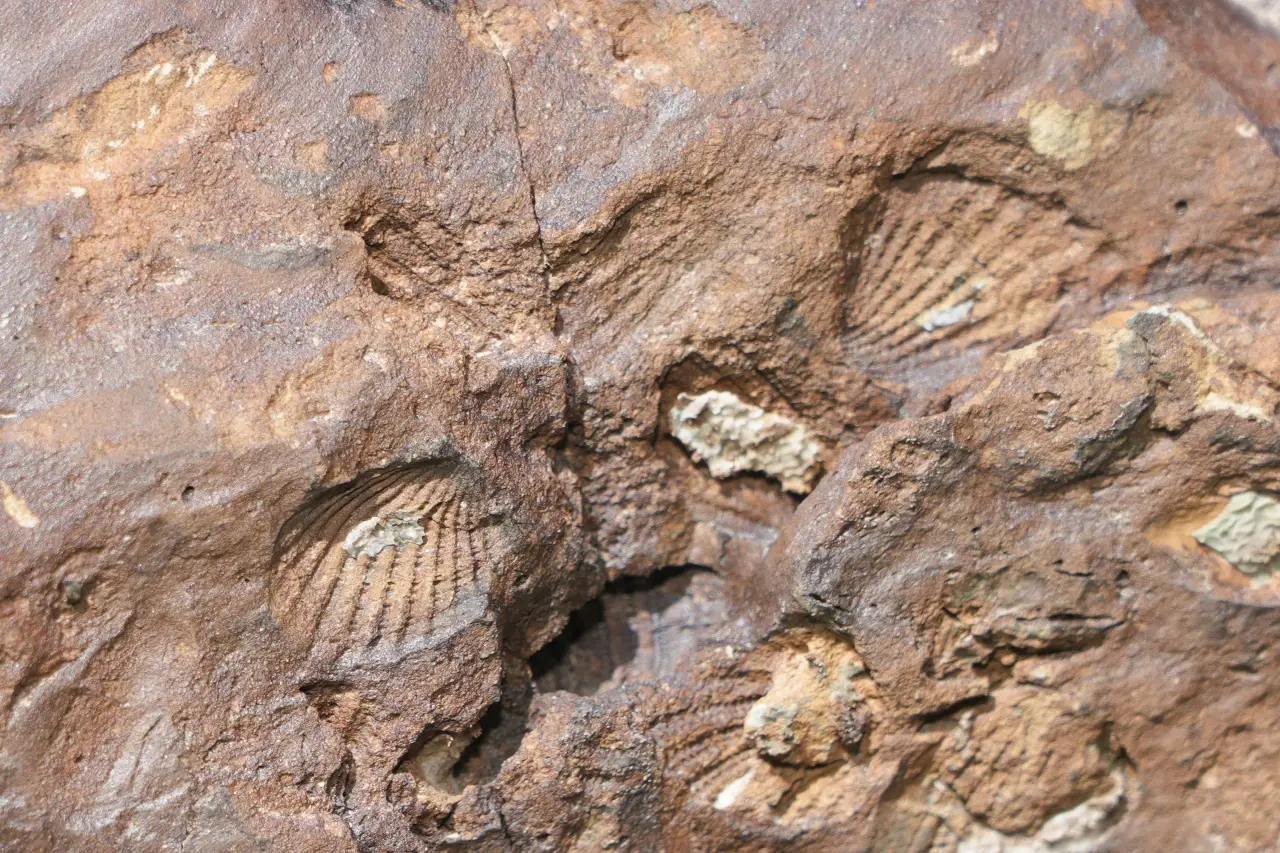
The site contains a large collection of petroglyphs depicting hunting scenes, human footprints, blue sheep motifs, snow leopard figures, horse engravings, Tibetan inscriptions and fossils etched onto rock surfaces over centuries. The carvings are considered important archaeological evidence reflecting the social life, beliefs, environment and artistic traditions of the communities that inhabited the region in ancient times.
Kundra appreciated the efforts of local residents and heritage custodians in preserving Ladakh’s cultural and archaeological wealth and stressed the need to safeguard traditional knowledge systems, indigenous craftsmanship and heritage sites for future generations.
Earlier, the Chief Secretary was accorded a traditional welcome at the Serzo Museum, where he interacted with representatives from Chilling, Sumdo, Tsogsti, Skyu, Kaya and Sumda villages.
The villagers highlighted Chilling’s identity as a traditional centre of Ladakhi metal craftsmanship and sought greater institutional support for artisans through awards, incentives, skill development programmes and livelihood initiatives. They also raised concerns regarding developmental restrictions linked to the area’s inclusion within Hemis National Park and demanded improved road connectivity, electrification and infrastructure facilities.
During the interaction, discussions were also held on irrigation facilities, agricultural practices related to wheat and barley cultivation, pending developmental works and other welfare-related issues. Kundra assured the villagers that their concerns would be examined through appropriate channels.
The Chief Secretary later visited the Serzo Museum, which houses an extensive collection of traditional artefacts and tools associated with Ladakh’s cultural history and artisan traditions. The exhibits included nearly 1,500-year-old wooden carvings, slate tools, copper implements, ancient musical instruments and traditional household objects used by earlier generations.
Chilling village, also known as the starting point of the famous Chadar Trek across the frozen Zanskar River during winter, remains one of Ladakh’s most culturally important settlements. The village’s metalworking tradition traces its origins to the 16th century, when Newari craftsmen from Nepal introduced specialised techniques of copper and silver work to the region.
Despite a decline in the number of practicing artisans over the years, local communities and cultural institutions continue efforts to preserve the village’s unique artistic and archaeological heritage.