SRINAGAR: Jammu and Kashmir recorded 706 fatalities and 2,603 accidents on National Highways, Parliament was told on Thursday, underscoring persistent road-safety challenges on the territory’s stretches of the national network.
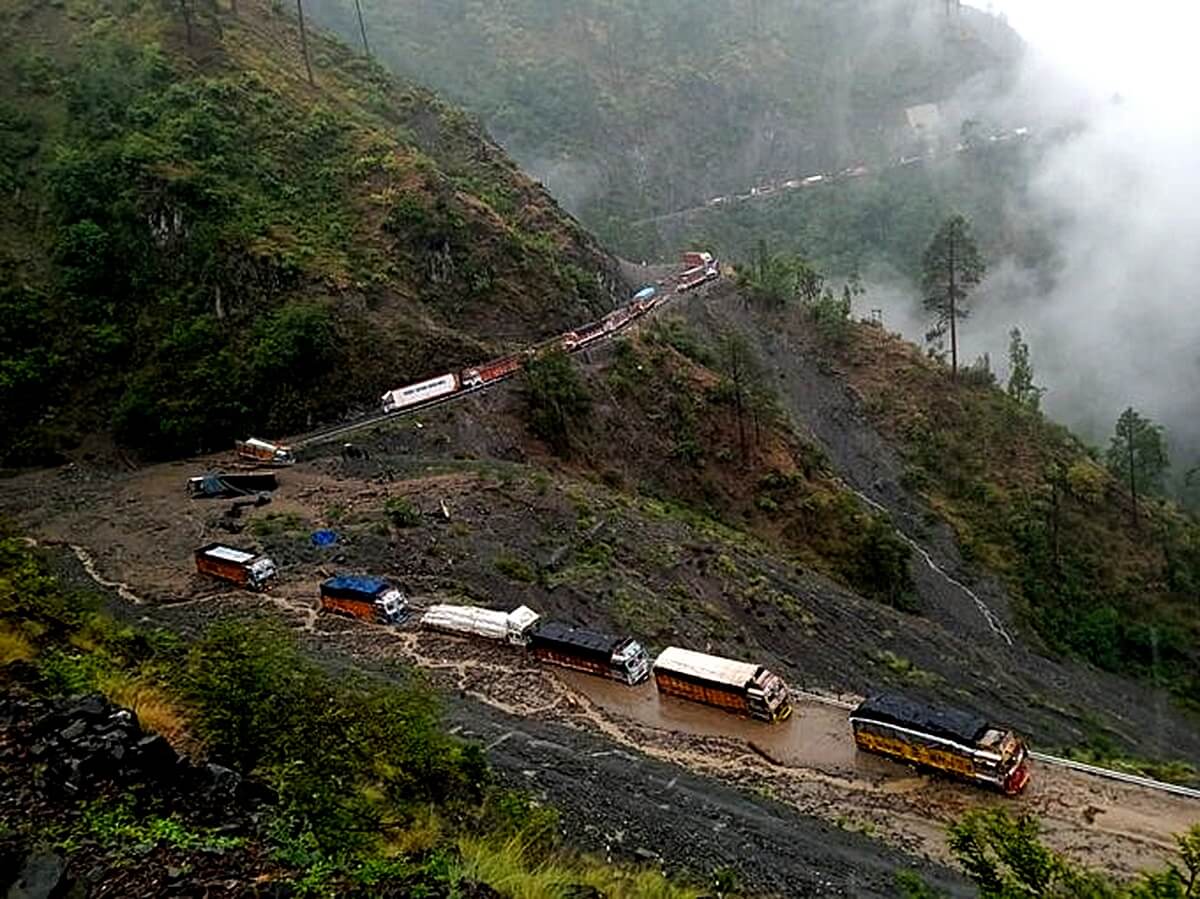
The figures were supplied in a written reply by the Ministry of Road Transport and Highways to an unstarred question in the Lok Sabha on Thursday. The ministry said the Electronic Detailed Accident Report (eDAR) system monitors accident data nationwide and that accident spots are identified and subjected to remedial action. It added that road safety audits are mandatory at all stages of a National Highway project — design, construction, operation and maintenance — and that identified deficiencies are to be addressed before roads are opened to public traffic. Where design flaws are detected at the construction stage, the ministry said, penalties are imposed on consultants and corrective work is undertaken; contractual provisions are used to act against independent engineers, contractors and concessionaires in cases of flawed construction.
The ministry told the House that safety features such as service roads, median openings, merging and diverging facilities, crash barriers, signage and foot overbridges form part of National Highway works, and that short-term countermeasures are taken immediately at recently identified spots while long-term rectification — including junction improvements, geometric changes and underpasses or overpasses — is implemented after detailed study.
The Jammu and Kashmir figures sit well below the highest national counts shown in the same government annexure. Uttar Pradesh recorded 11,865 fatalities and 17,182 accidents on National Highways, Rajasthan 8,712 fatalities and 12,586 accidents, and Tamil Nadu 8,487 fatalities and 23,841 accidents. Other large counts included Andhra Pradesh with 7,689 fatalities and 13,572 accidents, and Karnataka with 7,391 fatalities and 16,220 accidents. The ministry said the eDAR portal enables immediate detection of accident clusters and that field officers visit affected stretches to undertake urgent short-term measures.
The ministry emphasised procedural safeguards — mandatory road safety audits, incorporation of audit outcomes into Detailed Project Reports and penalty clauses in contracts.