SRINAGAR: The Federation of Chambers of Industries Kashmir (FCIK) has urged Chief Minister Omar Abdullah to focus on ensuring “Ease of Living” for entrepreneurs before talking of “Ease of Doing Business,” pointing out that the reality for industrialists in Jammu Kashmir remains mired in bureaucratic hurdles.
In a detailed representation, FCIK highlighted that entrepreneurs spend more time navigating renewals, permissions, and No Objection Certificates (NOCs) across multiple government offices than actually running their businesses. This, the chamber said, not only drains productivity but also discourages enterprise and weakens the region’s industrial ecosystem.
The chamber pointed out that routine and legally permitted business actions, such as the induction of partners or directors, changing the constitution from proprietorship to partnership or company, diversification of activities, or transfer of units to legal heirs, are treated as regulatory events requiring multiple approvals. “In a modern business environment, entrepreneurs should be trusted to make such changes unless the activity is specifically prohibited,” FCIK observed.
Highlighting challenges faced by micro units in the horticulture sector, FCIK said the manufacture of wooden fruit boxes—a seasonal industry vital to Kashmir’s fruit growers- faces a labyrinth of approvals. Units seeking renewals from the Forest Department must obtain consents from the Pollution Control Committee, which in turn demands NOCs from Fire Services and local bodies. “By the time one renewal is completed, another becomes due. This is the real face of Ease of Doing Business in JK,” the chamber noted.
FCIK also flagged inconsistencies in the application of incentives under the Industrial Policy, such as stamp duty exemptions, which are interpreted differently across directorates, undermining both policy intent and investor confidence.
The chamber raised concerns over the transfer of industrial units to legal heirs after the death of a promoter, describing the process as prolonged and exhausting due to multiple desks and repeated documentation. FCIK urged simplification, emphasising that licenses should ideally be valid indefinitely, with cancellations only in cases of serious violations or criminal acts. It cited the pollution authorities’ recent move to grant Consent to Operate indefinitely, unless violated, as a model for other departments.
Criticising the role of the Industries and Commerce Department and its allied PSUs, FCIK said they are functioning more as revenue collectors than facilitators of industrial growth. The chamber objected to the non-refundable Rs10,000 deposit for industrial plot applications, which penalises aspirants not allotted land, and additional land premiums demanded for changes such as partner induction or activity modification.
FCIK recommended adopting national best practices from states like Telangana, Andhra Pradesh, Gujarat, Delhi, Assam, and Tamil Nadu, including time-bound single-window systems, self-certification, auto-renewals, and deemed approvals. These measures, the chamber said, reduce discretion, eliminate delays, and encourage investment without compromising compliance.
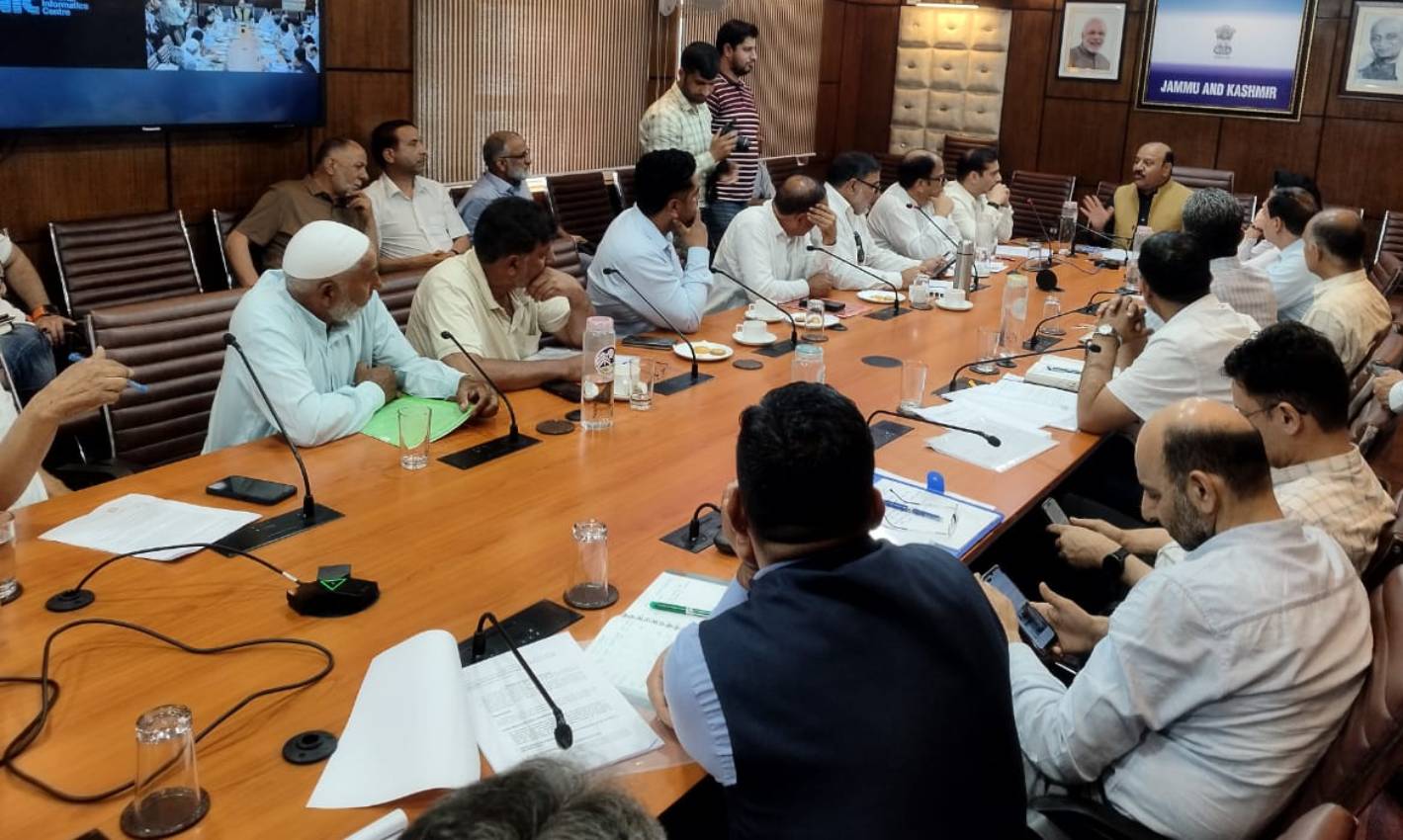
In a pre-budget meeting with Chief Minister Omar Abdullah, FCIK sought comprehensive reforms, including digital approvals with deemed clearances, self-certification for routine compliances, auto-renewal of licenses, a three-year Single Umbrella NOC, rationalisation of fees, and relief to micro units, particularly in wood-based industries.
FCIK stressed that Jammu Kashmir’s industrial growth cannot be achieved through excessive controls, repeated fees, and endless permissions. A trust-based, facilitative, and entrepreneur-friendly regulatory framework is essential to help MSMEs survive, grow, and generate employment in the region.