SRINAGAR: The Jammu and Kashmir Sheep Husbandry Department is set to introduce sensor-based electronic tags for sheep and goats to digitally track their health records, vaccination status and treatment history, a move aimed at strengthening disease surveillance and improving livestock healthcare across the Union Territory.
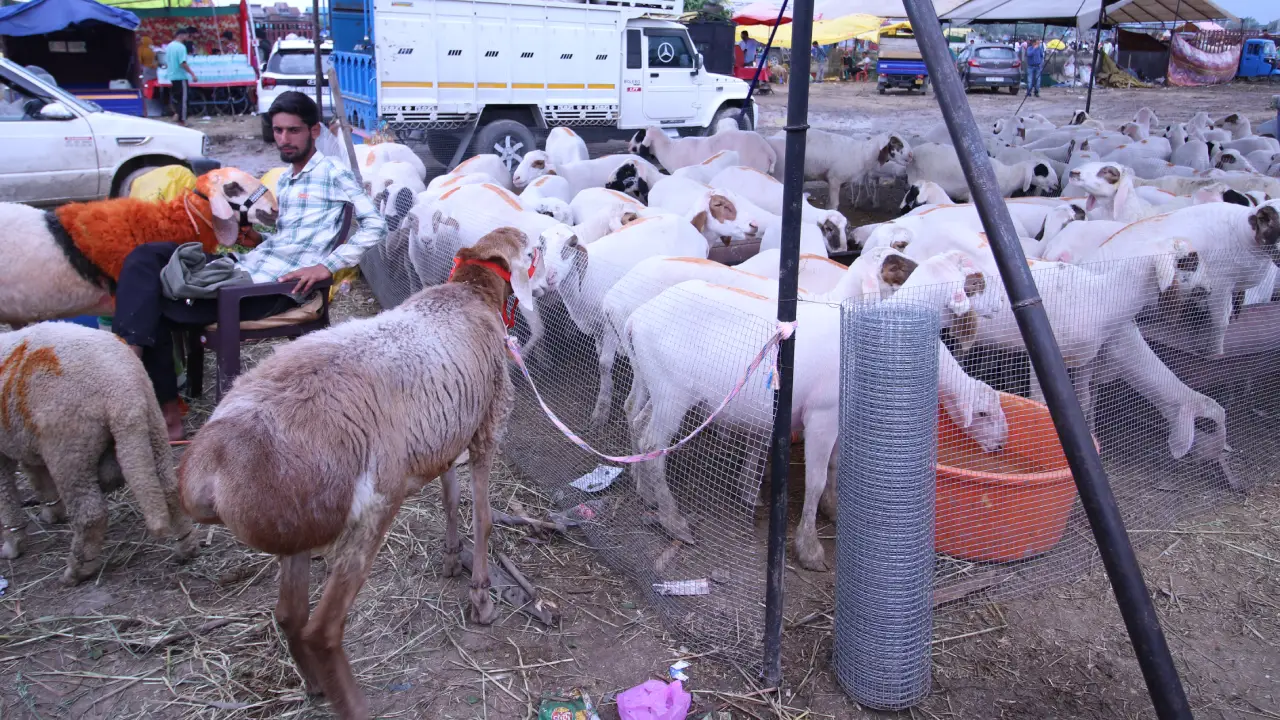
A senior official of the department told Rising Kashmir that the Union Territory has an estimated 5.2 million sheep and goats and that the proposed initiative will help create a comprehensive digital database of livestock while enabling real-time access to each animal’s health records.
“The department is planning to install sensor-based tags on livestock so that their complete health history can be accessed online. The tags will provide information on vaccination status, treatment records and other health-related details, enabling better monitoring and management of the livestock population,” the official said.
According to the official, the digital tagging system will enable veterinary staff to instantly verify whether an animal has been vaccinated or treated, thereby strengthening disease surveillance and improving response during disease outbreaks.
The official said the department has already established veterinary camps across major high-altitude pastures to provide healthcare services to migratory livestock during the annual seasonal movement. Veterinary teams have been deployed at key grazing locations to ensure shepherds and livestock rearers receive timely veterinary care in remote areas.
“Teams of veterinary doctors have been deployed at all major highland pastures to ensure that shepherds and livestock rearers receive timely veterinary care during migration. This has helped minimise health-related issues faced by livestock in remote grazing areas,” the official said.
The department said all eligible livestock are being vaccinated under the Centrally Sponsored National Animal Disease Control Programme (NADCP) as part of year-round disease prevention efforts.
Under the immunisation schedule, vaccination against Foot and Mouth Disease (FMD) is carried out twice a year during March-April and September-October at six-month intervals. Peste des Petits Ruminants (PPR) vaccination is administered once every three years, while newborn animals are vaccinated annually. The department is also conducting Enterotoxaemia (ET) and Sheep Pox vaccination drives across Jammu and Kashmir, including for animals that may have missed scheduled doses while grazing in highland pastures.
“The objective is to ensure that livestock remain protected from infectious diseases, improve productivity and safeguard the livelihoods of thousands of families dependent on sheep and goat rearing across Jammu and Kashmir,” the official added.