by Ibtisam Fayaz Khan
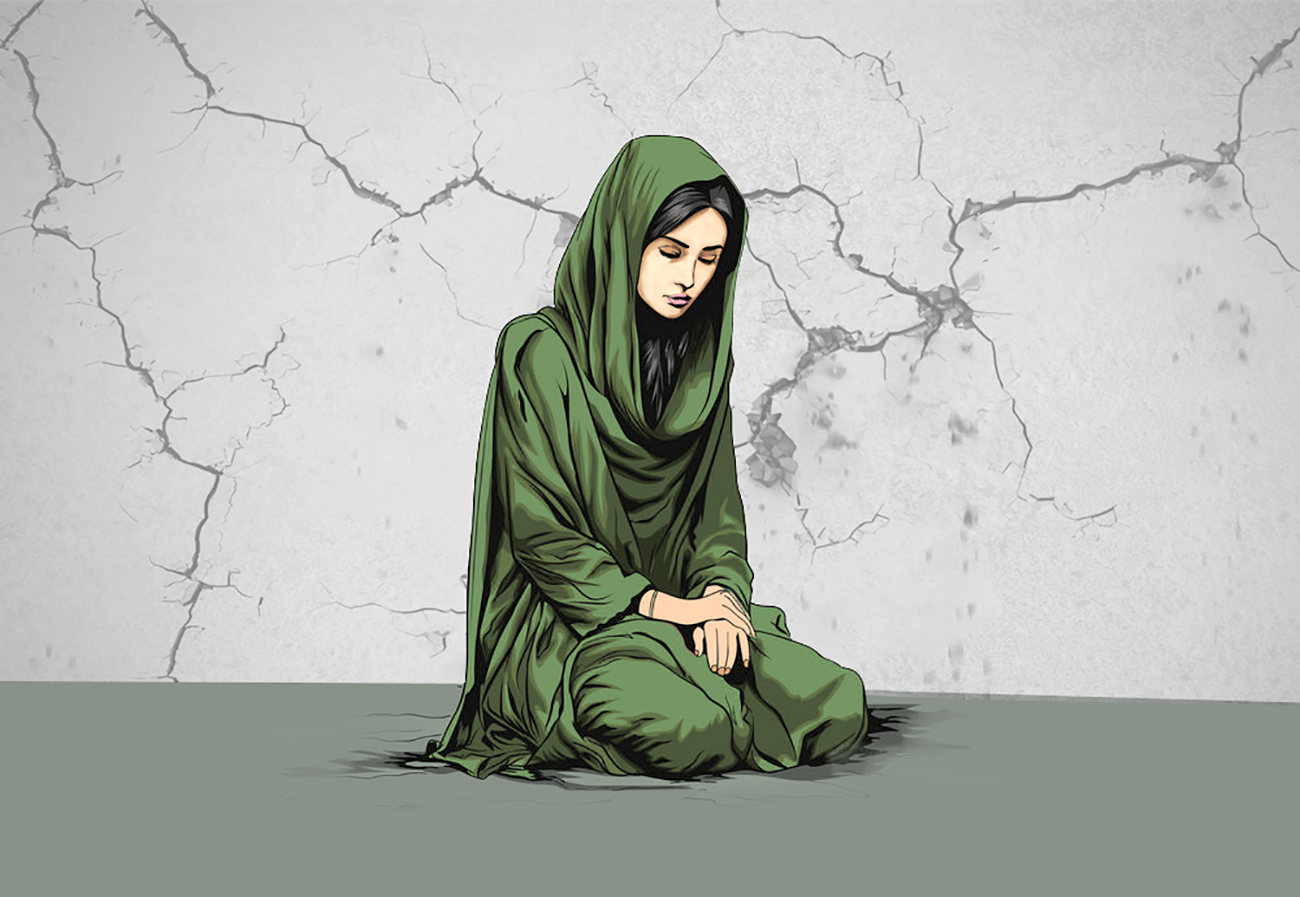
SRINAGAR: Thousands of women across Jammu and Kashmir and Ladakh who have sought refuge in the Special Cells for Women now face an uncertain future. The National Commission for Women (NCW) has announced it will cease funding the initiative beyond March 31, 2025, raising concerns about the fate of survivors of gender-based violence who rely on these cells for legal, emotional, and social support. Social workers fear that without intervention, these critical services will disappear overnight, leaving survivors vulnerable and without a structured system to assist them in their pursuit of justice.
A Lifeline for Survivors
The Special Cells for Women were established under the Violence-Free Home – A Woman’s Right initiative, a joint project involving the NCW, the Tata Institute of Social Sciences (TISS), the JK Police, and the Social Welfare Department. The initiative was designed to provide professional social work intervention for women facing violence in their homes, workplaces, and communities.
Launched in October 2021 as a three-year pilot project, the initiative placed two trained social workers in every district of Jammu, Kashmir, and Ladakh. Though stationed inside police stations, they operated independently, ensuring that women could access a survivor-friendly and trustworthy space.
“Advocacy for women in all forms was our objective,” said a social worker with the project. “We offered legal aid, counselling, and even linked survivors with hospitals like IMHANS when medical attention was needed.”
The impact has been significant. Over 9,800 cases of violence and abuse have been handled so far. Many women approached the cells as a safer alternative to direct police intervention, often fearing societal stigma, family repercussions, or an unresponsive legal system.
“Women often feel hesitant talking to police,” the social worker explained. “That is why civilian social workers were embedded within the system—to create a safe, supportive environment where survivors felt heard and protected.”
Uncertain Future
Despite the programme’s success, the NCW has confirmed it will not extend funding beyond March 2025. The JK Social Welfare Department has pledged to institutionalise the initiative, but the transition process remains unclear, with no definitive timeline in place.
This uncertainty has left both social workers and survivors in distress.
“We are not demanding permanent jobs, but we want to continue serving survivors,” said one social worker. “Right now, we accompany survivors to court, provide follow-ups, and offer counselling for reconciliation when needed. But if we are forced to stop, who will help these women? These essential services will suddenly disappear.”
The social worker warns that without an extension of funding, many women currently undergoing counselling and legal proceedings will be left stranded, with no professional guidance or emotional support.
A Unique Model
Unlike conventional police intervention, the Special Cells for Women operate at the intersection of law enforcement and social work, ensuring that survivors receive holistic support rather than just legal assistance.
The social workers are professionally trained to handle cases with sensitivity and confidentiality—an essential factor in building trust with survivors. Their placement within police stations allowed women to access the criminal justice system without facing the intimidation of formal law enforcement structures.
“We worked as professionals within the police system but remained independent of police control,” said the social worker. “This was crucial because it ensured survivors had a safe space to share their experiences without fear.”
The project has highlighted the urgent need for such interventions in Jammu and Kashmir, where socio-political conflict, entrenched patriarchal norms and weak institutional structures often leave women with limited options for seeking justice.
Calls for Extension
As the funding deadline looms, social workers and activists are urging the NCW and the Jammu Kashmir administration to ensure the transition process does not disrupt services.
“The J&K Social Welfare Department has said that it will institutionalise the Special Cells,” said the social worker. “But that process is ongoing. Until it is completed, the funding should not be stopped.”
Social workers are not seeking permanent employment but are calling for an extension of funding for a few more months to prevent disruption.
“Even if it takes two or three more months for the Social Welfare Department to take over, we cannot afford a gap in services,” she added, “We assist women in accessing government and NGO schemes that empower them with sustainable livelihood opportunities.”
The absence of a State Women’s Commission in J&K makes the situation even more urgent. With no local body overseeing women’s rights, the NCW remains responsible for ensuring a smooth transition rather than an abrupt shutdown.
A Dangerous Void
If alternative funding is not secured, the closure of the Special Cells will leave a gap in J&K’s gender-based violence response system. Without trained social workers, survivors may be forced to navigate an often inaccessible legal system alone.
Activists warn that shutting down the Special Cells could lead to a rise in unreported cases of violence, as women who previously relied on these professionals may not feel safe approaching the police directly.
With urgent appeals now directed at the NCW, the Jammu Kashmir administration, the Home Department, and the Social Welfare Department, the question remains: will the authorities safeguard this vital support system, or will they allow it to collapse, leaving thousands of women without recourse?
As the deadline approaches, the future of countless survivors hangs in the balance.