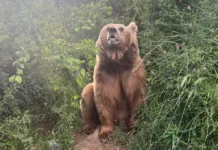
SRINAGAR: Marking the International Day for Biological Diversity 2026 under the theme “Acting Locally for Global Impact,” Wildlife SOS, in collaboration with the Department of Wildlife Protection, Jammu Kashmir and the Forest Protection Force, organised a biodiversity awareness programme at Government Higher Secondary School Potushai in Lolab area of Kupwara district on Friday.
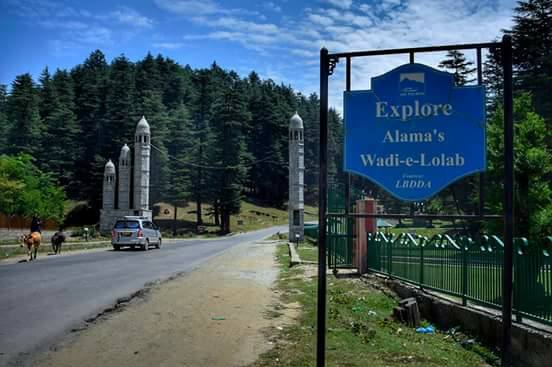
The programme brought together students, teachers, forest officials and conservation stakeholders with the objective of promoting awareness about the rich biological heritage of Jammu and Kashmir and the urgent need for its conservation amid growing ecological challenges.
During the event, Aaliya Mir, Project Head of Wildlife SOS JK Chapter, delivered a detailed presentation on the biodiversity of Jammu and Kashmir, highlighting the ecological importance of the region’s forests, wetlands, alpine ecosystems and wildlife habitats.
She emphasised the need to conserve flagship and threatened species, maintain ecological balance and encourage community participation in conservation efforts.
Addressing students, Mir said biodiversity conservation extends beyond wildlife protection and includes safeguarding ecosystem services essential for human survival, such as clean water, climate regulation, food security and disaster resilience. She also underlined the role of young people in shaping a sustainable future through responsible environmental stewardship and active participation in conservation initiatives.
Officials from the Department of Wildlife Protection and Forest Protection Force also interacted with students and discussed the growing importance of collaborative conservation approaches involving government agencies, civil society organisations and local communities.
The programme witnessed enthusiastic participation from students, who actively engaged in discussions on wildlife conservation, habitat protection and environmental sustainability.
The organisers reiterated their commitment to strengthening conservation awareness across educational institutions and rural landscapes of Jammu and Kashmir, particularly in ecologically sensitive regions such as Lolab Valley, known for its rich biodiversity and natural heritage.
The event concluded with a collective pledge and a road rally by students and participants to work towards the protection of biodiversity and preservation of the natural ecosystems of Jammu and Kashmir for future generations.