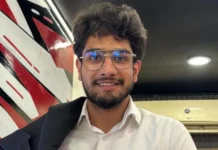
SRINAGAR: Kashmir-born scientist Dr Shahid Banday, currently a researcher at the prestigious Howard Hughes Medical Institute (HHMI) Lab at UMass Chan Medical School in Boston, has made a breakthrough in the treatment of Ewing Sarcoma (ES), a rare and aggressive cancer primarily affecting children and young adults, the HHMI said in a statement posted on its website.
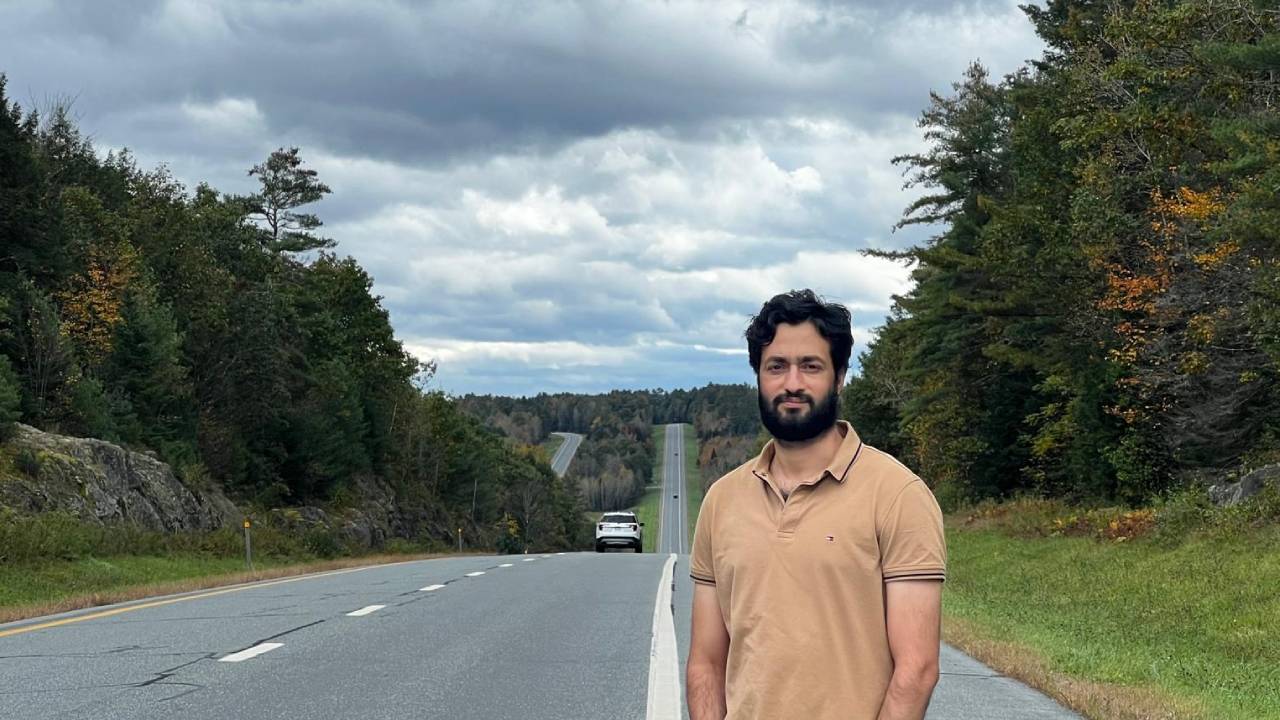
In a study published in Springer Nature Communications, titled “The O-glycosyltransferase C1GALT1 promotes EWSR1::FLI1 expression and is a therapeutic target for Ewing sarcoma,” Dr Banday and his team have identified a novel therapeutic pathway that could transform the clinical approach to this malignancy. After five years of research under the mentorship of the late Dr Michael Green, Dr Banday discovered that the protein C1GALT1 plays a crucial role in sustaining EWSR1::FLI1 fusion oncoprotein, which drives Ewing Sarcoma progression.
“We found that C1GALT1 stabilises SMO, a core component of the Hedgehog signalling pathway, through O-glycosylation, which in turn maintains high levels of EWSR1::FLI1,” Dr Banday explained. This insight has significant therapeutic implications, as his team also demonstrated that inhibiting C1GALT1 using itraconazole — a well-known and FDA-approved antifungal drug — suppresses tumour growth and even causes regression in preclinical models.
Dr Banday’s work goes beyond traditional cancer therapeutics. “Targeting transcription factors like EWS-FLI1 has been a longstanding challenge, as they lack the structural features typically exploited by drugs,” he said. “So we focused on targeting the upstream mechanisms regulating its expression — and that’s where C1GALT1 came into the picture.”
With the discovery now protected by US and international patents, Dr Banday is collaborating with Dr Matthew Hemming, a leading sarcoma expert, to push itraconazole into clinical trials. Their work holds special promise because of the drug’s existing approval status, known safety, and potential for rapid repurposing to treat Ewing Sarcoma.
Dr Banday’s interest in uncovering the molecular basis of rare cancers began during his time in Dr Green’s lab. In 2025, he transitioned to Dr Hemming’s lab at UMass Chan to further explore sarcoma subtypes using broad profiling and functional genomics. His work now spans several malignancies and includes significant recent findings in ovarian cancer, blood cancer, and rare neurological disorders like Friedreich’s Ataxia.
“The real challenge with sarcomas,” he said, “is that they are rare and highly diverse — more than 100 subtypes exist, and we still understand very little about them. Many patients have few treatment options, and survival rates for certain types remain dismally low.”
In India, the burden of sarcomas is believed to be underreported due to limited diagnostic capacity. However, data from the National Cancer Registry Programme has shown a steady rise in Ewing Sarcoma cases across major cities, pointing to the need for greater awareness, molecular research, and region-specific strategies. Dr Banday has voiced the importance of building dedicated research efforts, especially for South Asian populations where clinical and genetic responses to cancer treatment may differ.
By combining advanced techniques such as CRISPR screening, drug repurposing, and molecular profiling, Dr Shahid Banday is helping to unlock previously untreatable targets in oncology. As he continues his research from the United States, his work carries the promise of new therapies — not just for rare cancers, but also for vulnerable communities worldwide, including his homeland of Kashmir.