Despite improved neonatal outcomes, Kashmir must strengthen peripheral childcare and integrate public and private systems to ensure equitable, timely newborn survival.
Kashmir’s steady decline in infant and neonatal mortality is a public health success worth acknowledging. Yet beneath these reassuring averages lies a deeper structural imbalance: where a child is born still largely determines whether that child survives. As fertility rates fall, motherhood is delayed, and high-risk pregnancies rise, neonatal care can no longer remain centralised, episodic, or unequal across public and private systems. Improving childcare in the periphery and creating a fair, level playing field between public and private healthcare is now an urgent policy imperative.
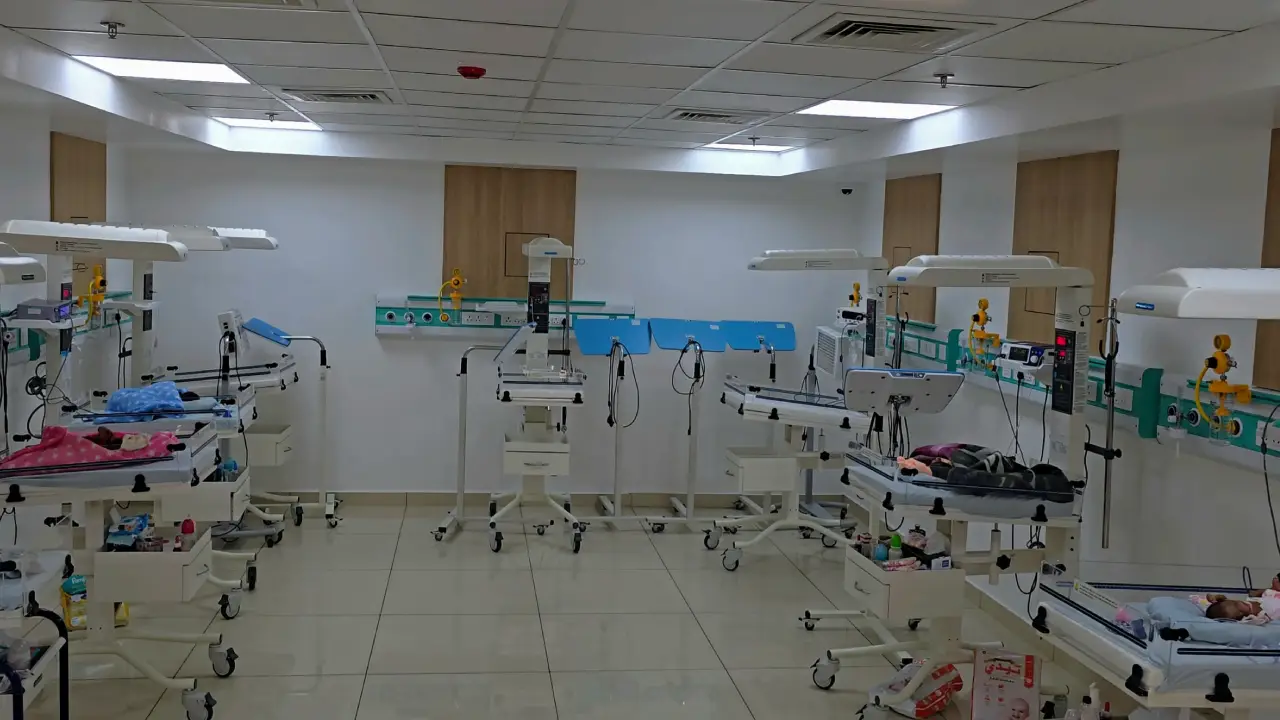
The evidence is unambiguous. While tertiary hospitals in Srinagar have gradually strengthened neonatal infrastructure, district and peripheral centres remain weak, functioning more as referral points than treatment facilities. For sick newborns, especially preterm or low-birth-weight babies, the “golden hour” after birth is decisive. When CPAP machines are non-functional, phototherapy units are unavailable, or skilled resuscitation is absent, referral becomes the default, and delay becomes deadly. Geography then compounds biology. By the time a neonate from Kupwara, Gurez, or Bandipora reaches a tertiary hospital, survival odds have already narrowed.
This is not merely an infrastructure gap; it is a governance failure. A health system that forces routine jaundice cases, mild respiratory distress, or manageable infections into long-distance referrals is inefficient, inequitable, and costly. Strengthening district-level Special Newborn Care Units (SNCUs) must therefore be the priority. Functional equipment, round-the-clock trained staff, maintenance budgets, and clinical accountability are non-negotiable. Peripheral hospitals should treat, not just transport.
At the same time, Kashmir’s growing private neonatal sector presents both an opportunity and a challenge. Private NICUs have helped absorb demand, often offering quicker access and better staff ratios. However, cost barriers and uneven insurance coverage mean access remains selective. A genuine level playing field does not mean privileging one system over the other; it means rational integration. Government health insurance schemes must realistically cover neonatal intensive care costs, allowing families to choose facilities based on proximity and urgency rather than affordability alone.
Crucially, coordination between the public and private sectors remains weak. Standardised referral protocols, shared electronic medical records, joint training programmes, and outcome-based audits could transform fragmented care into a continuum. Neonatal survival should not depend on whether a mother delivers in a government labour room or a private clinic.
Finally, prevention must anchor policy. Early antenatal counselling, risk stratification of pregnancies, hypothermia prevention, and parental awareness are as vital as ventilators. With fertility rates below replacement and infertility rising, every birth in Kashmir is increasingly precious. Saving newborn lives is no longer only a medical goal; it is a demographic, social, and moral responsibility.
The progress is real, but uneven. The next phase of reform must move neonatal care outward, closer to homes, earlier in time, and fairer across systems. Only then will Kashmir’s improving statistics translate into universal survival.