SRINAGAR: For centuries, Dal Lake has stood as the shimmering heart of Srinagar, where shikaras glide gently against the backdrop of the Zabarwan mountains. This week, the historic lake is set to take on a new identity. From August 21 to 23, it will host the first-ever Khelo India Water Sports Festival, transforming Kashmir’s most iconic water body into a national sporting arena.
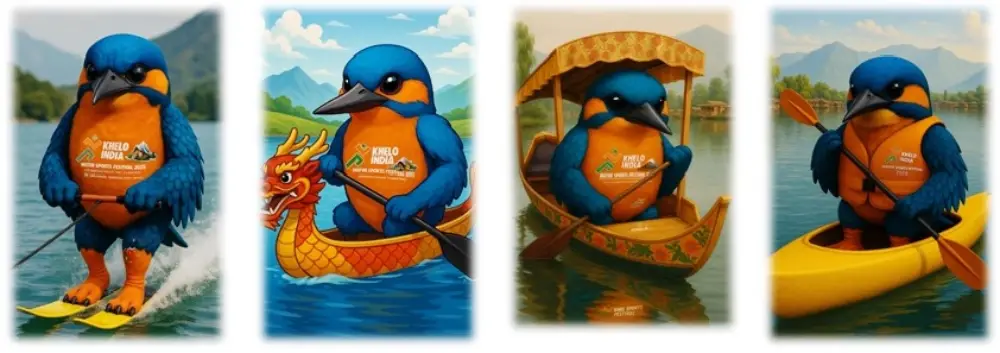
More than 400 athletes from 36 states and union territories are expected to compete in rowing, canoeing and kayaking medal events, while demonstrations such as water skiing, dragon boat racing and a shikara sprint will add colour and excitement to the spectacle.
The three-day festival marks a fresh chapter in Jammu and Kashmir’s sporting journey. Gulmarg has already established itself as the country’s winter sports hub through five editions of the Khelo India Winter Games. With Dal Lake stepping into the limelight, the Union Territory is now poised to emerge as a destination for water sports as well.
Organised by the Sports Authority of India (SAI) and the Jammu and Kashmir Sports Council, the festival is part of the government’s Khelo Bharat initiative, aimed at strengthening grassroots sports, creating livelihood opportunities, and boosting local infrastructure. Officials expect the event to generate economic benefits for shikara owners, houseboat operators and the wider tourism industry.
The festival carries strong emotional resonance for Kashmiri athletes. Bilquis Mir, Olympian and international canoeing judge, recalled her own journey on the lake waters in the 1990s: “This is not just an event, but the beginning of a new era for water sports in our country. When I started paddling here at the age of 10, my dream was to represent India. That dream came true when I became the first Indian woman to participate in the World Cup. I am certain this event will inspire many young athletes to dream big.”
Coach Mohammad Imtiaz echoed the sentiment, comparing it to Gulmarg’s rise: “The Khelo India Winter Games put Gulmarg on the national sports map. This festival will do the same for Dal Lake.”
Among the local athletes is Mohsin Ali, the reigning Jammu and Kashmir kayaking champion with 15 national medals to his name. “I want to win gold here in front of my people,” he said while preparing for the event.
The festival is designed as much as a cultural celebration as a sporting event. Cleaning drives and weed removal have been intensified to restore the lake’s beauty. The mascot — the Himalayan Kingfisher — and a logo featuring a shikara reflect the spirit of Dal Lake.
For locals, the festival symbolises new opportunities. Shikara operator and athlete Mohammad Rafiq Malla described it as a turning point: “This festival will bring hope for athletes and livelihood for people like us. I want visitors to not only watch the competitions but also see our way of life — from swimming in the lake to harvesting vegetables from floating gardens.”
Spread over 18 square kilometres, Dal Lake is deeply entwined with Kashmir’s culture and economy. Known as the “Lake of Flowers,” it supports livelihoods through fishing, aquatic plant harvesting and tourism. Its boulevard, lined with Mughal gardens such as Shalimar Bagh and Nishat Bagh, has long drawn travellers, poets and painters who immortalised its beauty.
Now, as the festival approaches, Dal Lake is set to be remembered not just as a symbol of Kashmir’s heritage but as a landmark in India’s sporting landscape.
From the snowy slopes of Gulmarg to the sandy beaches of Diu, and now the waters of Srinagar, the Khelo India movement is bringing sports beyond conventional stadiums into the country’s natural arenas. The Dal Lake festival embodies this vision, carrying messages of heritage, hope and harmony with every splash of the oar.
As the cheers of athletes and the sound of paddles ripple across the lake this week, Srinagar will witness a moment of history — the merging of culture and competition, and the beginning of Dal Lake’s new role as India’s premier water sports destination.