SRINAGAR: The Jhelum River, a vital water source for Kashmir, has recorded one of its lowest water levels in history this season, sparking concerns over the growing impact of climate change on the region. At present, the water level at Sangam point stands at a distressing -0.75 feet, while readings at Ram Munshi Bagh and Asham are 3.73 feet and 1.08 feet, respectively, highlighting a significant drop in water flow.
This unprecedented decrease is not isolated to the Jhelum; other key tributaries, including Lidder Nallah and Rambiara Nallah, are also experiencing critical lows. Lidder Nallah at Batkote is flowing at -0.38 meters, while Rambiara Nallah at Wachi stands at -0.47 meters.
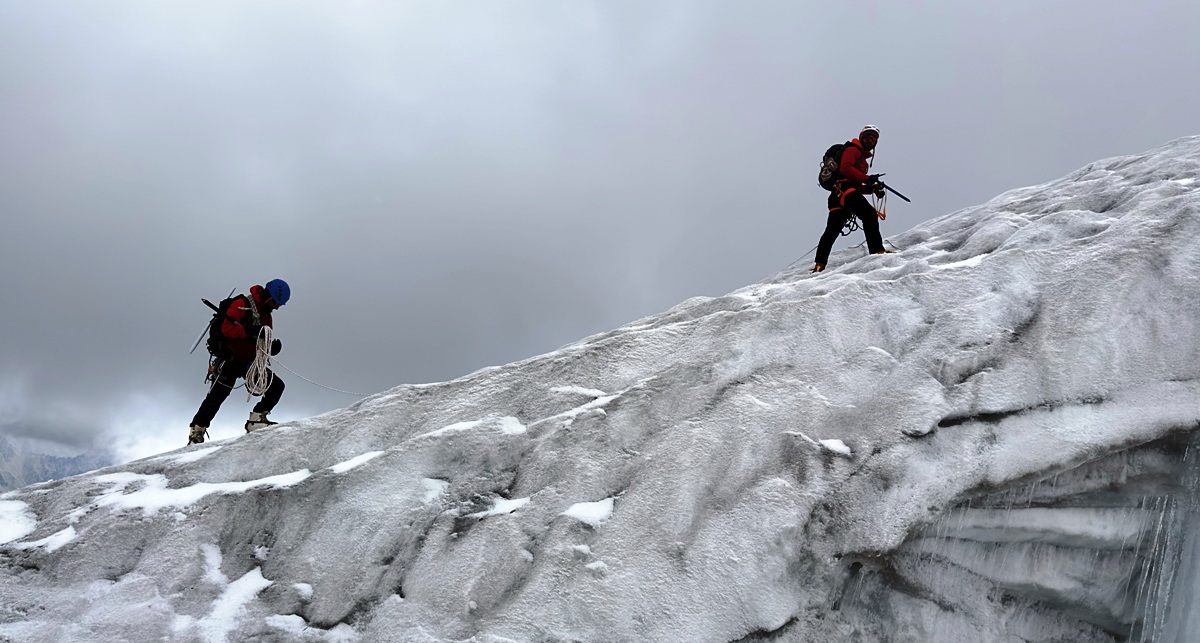
The alarming situation is being attributed to the ongoing loss of glaciers in the region. Experts have warned that this decline in water levels is a direct result of prolonged dry spells, exacerbated by higher-than-average temperatures and irregular precipitation patterns.
A senior official from the Irrigation and Flood Control department said, “The main source of the Jhelum is glaciers, but they are losing mass due to prolonged dry spells, resulting in below-zero flows.” The official expressed concern over the disruption of water supply schemes across Kashmir due to the decreasing water levels.
Independent weather forecaster Faizan Arif Keng added that the current dry spell, which has lasted since October, has intensified the issue. He noted that the Jhelum had previously recorded a historic low of -1.0 feet earlier in the season. The region has faced below-normal precipitation during the critical winter months of December to February over the past five years, further hampering the replenishment of glaciers that feed the river.
Experts have warned that rising temperatures are accelerating glacier melting, reducing their overall size and volume. “This trend is likely to continue, which poses a severe risk to the region’s water security,” Keng said.
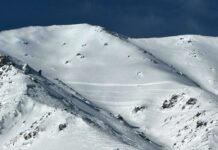
Research indicates that Jammu and Kashmir has already lost approximately 30% of its glaciers over the past 60 years, with projections suggesting that up to 70% could disappear by the end of this century if the current trend persists. There are around 18,000 glaciers across Jammu, Kashmir, and Ladakh, all of which are witnessing accelerated melting. Dr Irfan Rashid, Assistant Professor at the Department of Earth Sciences, University of Kashmir, highlighted that the Kolahoi Glacier, the largest in the region, has receded by 25% since the 1960s. It is now losing around 35 meters annually.
Experts have also warned that temperatures could rise by 4-7 degrees by the end of this century, further driving the rapid melting of glaciers, which cannot be reversed. (KNO)