SRINAGAR: When electric smart buses were introduced in Srinagar under the Smart City project, they were seen as a long-awaited upgrade to public transport in the Valley. Quieter, cleaner and affordable, the service promised relief from overcrowded roads and ageing buses. A few years later, the project is facing growing criticism as heavy losses pile up and daily travel turns stressful for many commuters and staff.
The Jammu and Kashmir Government has admitted that the e-bus service is operating at a substantial loss, with daily deficits estimated at nearly Rs 9.74 lakh. Officials attribute the losses to high running costs, including electricity charges, maintenance, salaries and infrastructure expenses. Even so, the administration recently announced free travel for women passengers, a move that has reopened debate over the scheme’s long-term viability and its impact on other commuters.
In the early days, the buses were widely welcomed as a modern alternative to the city’s strained transport system. Over time, questions have emerged about whether the service can sustain itself financially while meeting rising demand. The free travel policy has further sharpened discussions, shifting focus not just to costs but also to behaviour inside buses, safety and perceived fairness.

The debate has been influenced by a recent incident outside Jammu and Kashmir that drew national attention. In Kerala, a man accused of molesting a woman on a bus was later found dead at his home. The accused, 41-year-old Deepak from Govindpuram, was found hanging days after a video linked to the alleged incident spread on social media. The case sparked wider concerns about public shaming, mental health and the consequences of online outrage, issues many commuters say feel uncomfortably close in crowded public transport.
In Srinagar, several men say travelling on smart buses has become tense since free travel for women was introduced. A regular commuter travelling between Srinagar and Ganderbal, employed with Jammu and Kashmir Bank, described an awkward experience during a recent journey.
“I was sitting next to a woman who seemed uncomfortable and acted as if she wanted me to move so another woman could take the seat,” he said. “Reserved seats exist, but when the bus is packed, even small movements lead to misunderstandings. Arguments start over nothing.”
Another daily passenger, who did not wish to be named, shared similar concerns. A daily wage worker and the sole earning member of his family, he said the scheme helps him save money but has made travel mentally exhausting.
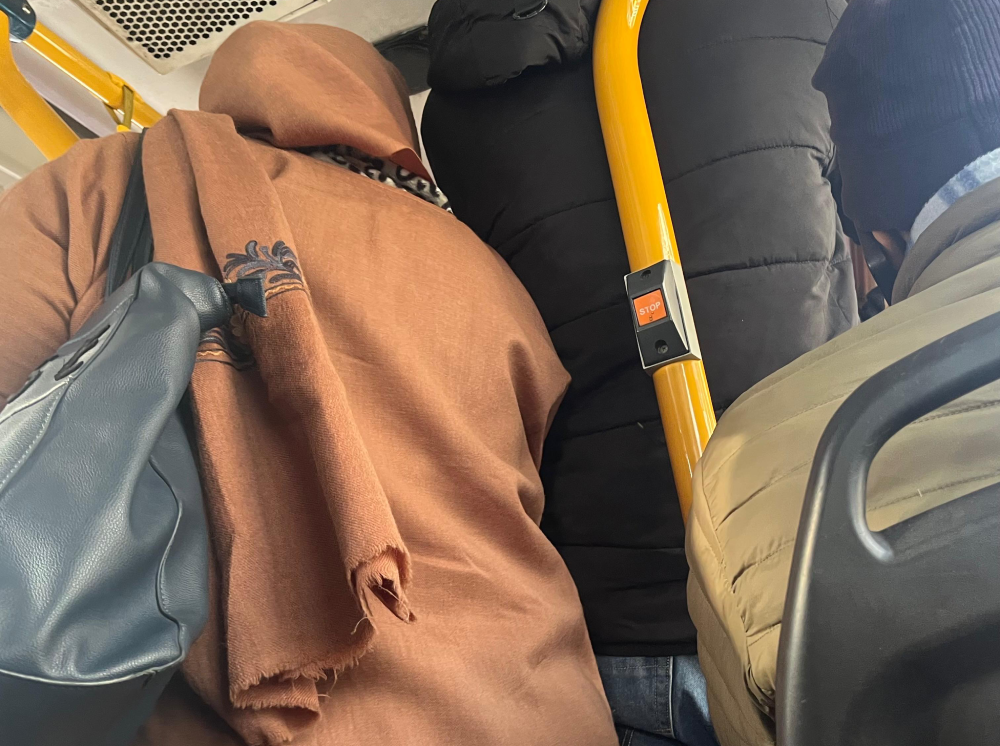
“When buses are overcrowded, people are pushed from every side,” he said. “Even accidental contact is sometimes treated as deliberate. During boarding and deboarding, things turn chaotic, and men are often blamed. There is always fear of being shouted at, filmed or accused.”
Drivers say they are also under pressure. Shahid Ahmad, a driver with the smart bus service, said managing crowds has become harder since the introduction of free travel.
“People board the bus for very short distances and still insist on seats,” he said. “Arguments slow down services, and drivers are sometimes photographed or threatened with complaints if we don’t stop at places that aren’t designated.”
He added that making the service completely free has encouraged unnecessary travel and overcrowding and suggested that even a small fare could help manage demand.
A commuter from Sumbal, who works as a salesman at a medical shop in Srinagar’s Karan Nagar and travels daily on a monthly pass, questioned the approach.
“If the government wants to help people, it should look at electricity bills and other real issues,” he said. “Free buses only for women do not solve the larger problems faced by commuters.”
Officials linked to the Srinagar Smart City project, however, maintain that the initiative is aimed at improving women’s mobility and participation in public life. A senior official, who declined to be named, said individual behaviour should not be blamed on the transport system.
“I am not entitled to speak to the media,” the official said, adding that any erring passenger man or woman is referred to the police for action. He said additional buses have already been sanctioned to address overloading and are expected to be added next month. “These are behavioural issues, not technical ones. Social problems cannot be fixed by buses alone. It is a shared responsibility.”
With losses continuing and complaints from passengers and staff growing louder, the Srinagar Smart City electric bus service now faces difficult questions how to balance social welfare, financial reality and the everyday experience of commuters travelling in close quarters.