SRINAGAR: The war involving Iran, Israel and the United States entered its third week on Sunday with fresh missile and drone attacks across the Gulf region, rising casualties and mounting global concern over energy supplies and regional stability.
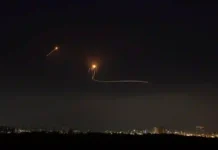
According to a report by Associated Press, Gulf Arab states reported intercepting new missiles and drones after Iran threatened to widen the conflict and warned civilians to evacuate three major ports in the United Arab Emirates. The threat marked the first time Tehran directly targeted non-US infrastructure in a neighbouring Gulf state during the ongoing war.
The conflict began on February 28 when Israel and the United States launched strikes on Iranian nuclear and military facilities, saying the attacks were aimed at weakening Tehran’s strategic capabilities. Iran responded with missile and drone strikes targeting Israel and American-linked assets across the Persian Gulf region.
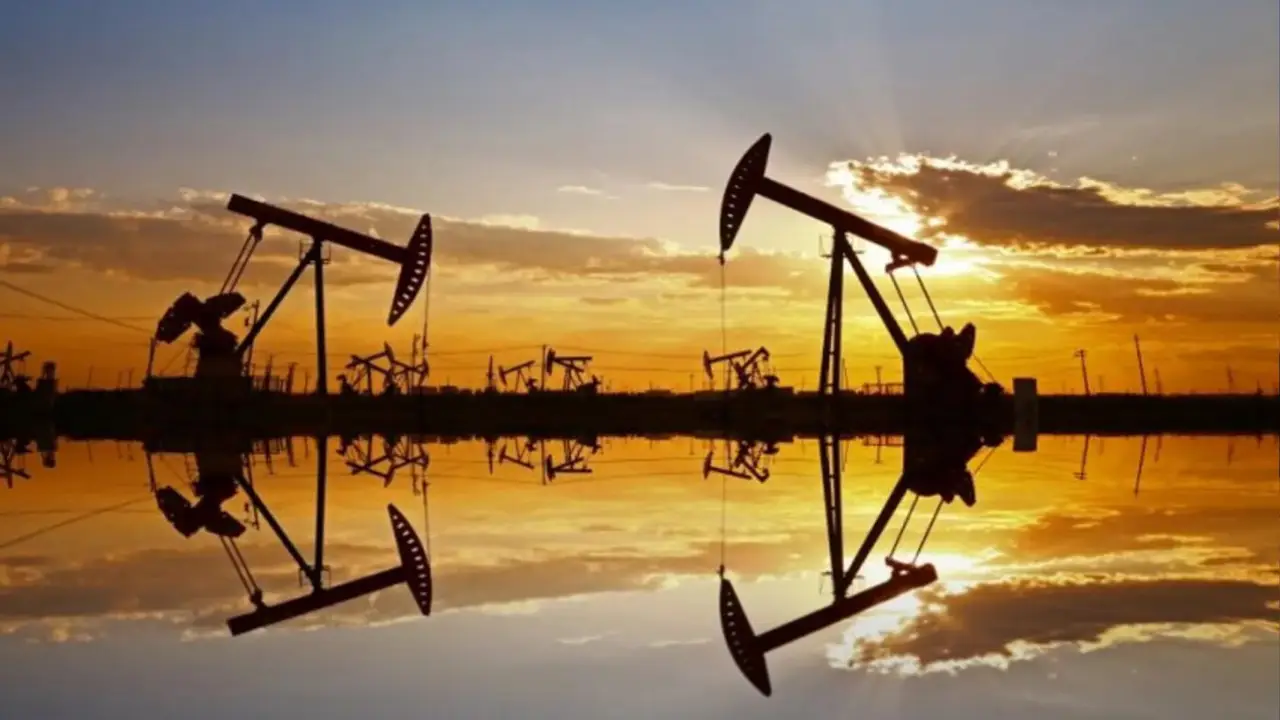
Iran has fired hundreds of missiles and drones toward Gulf countries, including Saudi Arabia, Bahrain, Qatar and Oman. While air defence systems have intercepted many of the projectiles, several strikes have hit civilian sites such as airports, oil facilities and residential areas.
Iranian Foreign Minister Abbas Araghchi accused the United States of launching strikes on Iran’s main oil export terminal at Kharg Island from locations in the UAE, though Emirati officials denied the claim.
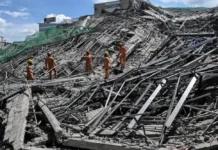
Meanwhile, Iranian missile barrages continued to hit Israel, including areas around Tel Aviv, where emergency services reported damage to buildings and infrastructure. Israeli authorities said multiple impact sites were recorded after the latest wave of attacks.
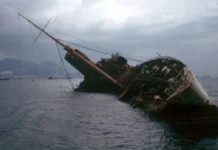
The conflict has also intensified tensions around the strategic Strait of Hormuz, a key maritime route through which roughly 20 per cent of global oil and gas supplies pass. With Iran threatening shipping in the strait, global energy markets have reacted sharply.

US President Donald Trump has urged major economies including China, Japan, France and the United Kingdom to deploy naval vessels to secure the strait and escort oil tankers through the region. Several governments said they were reviewing the proposal but have not yet committed military assets.
Energy analysts say any prolonged disruption to shipping through the Strait of Hormuz could significantly affect global oil prices and supply chains, as Gulf states account for a large share of the world’s crude exports.
The humanitarian toll of the war continues to mount. The International Committee of the Red Cross has reported that more than 1,300 people have been killed in Iran since the conflict began, including women and children. In Israel, Iranian missile attacks have killed at least a dozen civilians and injured many more.
The conflict has also spread to Lebanon, where fighting between Israel and the Iran-backed group Hezbollah has killed more than 820 people and displaced hundreds of thousands. Aid agencies warn that the humanitarian situation in Lebanon is worsening as infrastructure damage and displacement strain local resources.
Amid the escalating violence, Pope Leo XIV issued a strong appeal for a ceasefire, urging leaders responsible for the conflict to halt the fighting and reopen diplomatic channels. The Pope warned that attacks on civilian sites such as schools and hospitals were deepening the humanitarian crisis and called for dialogue to restore stability in the region.
Meanwhile, reports by Reuters said Iranian authorities have arrested dozens of people accused of acting as informants for Israel by sharing information on sensitive military and infrastructure sites.
The political climate surrounding the war has also drawn attention in the United States. According to reporting by The Guardian, President Trump has faced criticism over his public messaging and conduct during the conflict, including social media posts and comments that critics say have appeared dismissive of the war’s growing human and economic costs.
The war has already disrupted global aviation routes, slowed shipping in key maritime corridors and driven up fuel prices worldwide. With missile exchanges continuing and diplomatic efforts showing little immediate progress, analysts warn the conflict could expand further across the Middle East unless a negotiated settlement is reached.